Traditional Ladin Food to Try in Cortina
Casunziei, canederli, spätzle and capriolo — the dishes that mark Ampezzo cooking as Ladin rather than generic Alpine, and where to actually eat them well.
Reviewed by the Cortina Compass desk
Last verified on foot: March 2026 How we research
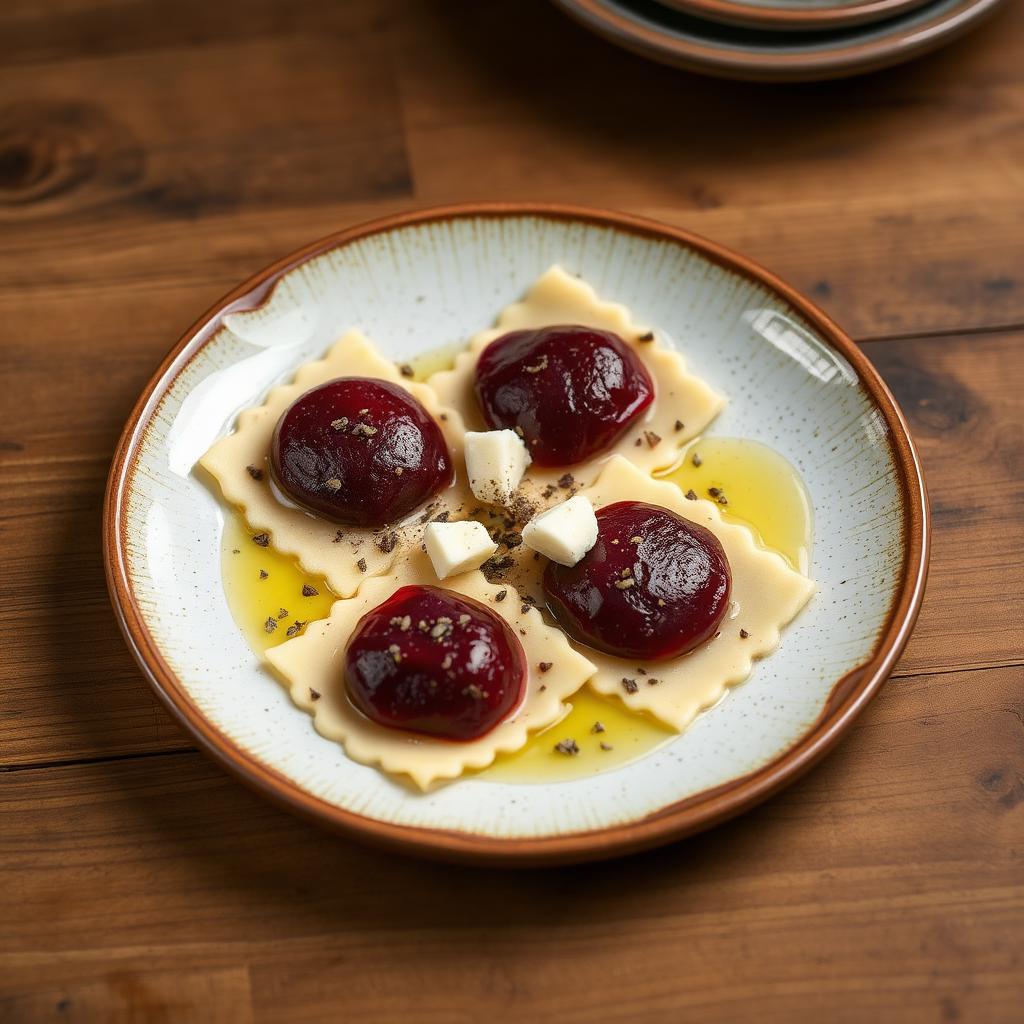
Cortina eats late, seriously, and with strong local loyalties. This is not a ranked list; it is what I have learned about traditional ladin food to try in cortina after several seasons of long lunches, near-misses without reservations, and quiet dinners that outshone the famous rooms across the street.
I have kept the logistics at the top and the opinions clearly labelled, so you can skim for facts or settle in for the reasoning.
What the place is
Ladin cooking in the Ampezzo valley borrows from Tyrol and the Veneto without belonging fully to either, and the dishes worth seeking out say more about the valley's history than any museum plaque.
Dishes and where to get them right
Baita Fraina — casunziei all'ampezzana
The benchmark version with poppy seed and melted butter; small dining room, so weekend dinners need booking.
Al Camin — canederli in brodo
Bread dumplings in clear broth done the old way; portions are generous, so pace the rest of your order.
Ristorante Leone e Anna — spätzle with speck
A heavier, cheese-forward take that suits a cold day — less refined plating than Tivoli, but honest cooking.
Ospitale — capriolo (roe deer)
Autumn game cooking worth the drive out of town, though hours shrink outside peak season, so call first.
Lovat bakery — Ladin bread
Dense, dark rye-style loaves sold by weight; go early, as the good shapes sell out by mid-morning.
What I would order
One regional primo, one seasonal secondo, one dessert shared badly. Casunziei — beetroot ravioli with poppy seeds and browned butter — is the plate I always start with, and canederli or a barley soup if the weather has turned. The internationalised pasta list is competent and forgettable.
Food and the menu
Casunziei all'ampezzana are the valley's signature: beetroot-stained pasta parcels dusted with poppy seed and melted butter, distinct from the plainer versions served over the Falzarego pass in Alto Adige. The colour comes from beetroot, not tomato, which is the tell of a kitchen doing it right.

Price and value
Atmosphere
Small rooms, timber, low light, and a service style that treats dinner as two hours rather than a covers target. Smart-casual is right; nobody here is fussy, but nobody turns up in hiking trousers either.
Location and access
In-town tables are an easy walk from Corso Italia and worth doing on foot — parking in the centre after seven is a slow game. Anything up the valley or at a rifugio needs a car, a taxi booked in advance, or a lift with an evening service you have checked twice.
When to go
The kitchen starts around 19:30 and the first sitting is the good one; the second often arrives after the room has lost its edge. Lunch is the underrated slot — same cooking, shorter waits, better light. Book two to three weeks out for the celebrated rooms in high season, a few days out for everywhere else.
What surprised me
Don't assume spätzle here is Austrian spätzle. The Ampezzo version is often served with speck and melted cheese rather than the plain buttered German style — ask before you order if you want it lighter.
Small detail
Ask before photographing staff or other diners, especially in small family rooms.
My experience at the table
My best meal here was a half-empty Tuesday in shoulder season, when an off-menu venison ragù appeared because a local hunter had come by that morning. That is the version of Cortina dining worth planning for — regional, personal, and slightly unrepeatable.
My tip
Order canederli as a starter, not a side — a proper Ampezzo bread dumpling in broth (canederli in brodo) is a full course in the old farmhouses, and ordering it as a garnish to a meat main gets you a smaller, sadder version.
Who it is best for
Book the first dinner sitting and ask about half portions.
Local alternatives
Lunch menus and rifugio plates often offer better value than central evening dining.
Casunziei ampezzani versus the Alto Adige version
Cross the Falzarego pass into Alto Adige and casunziei often shift toward a plainer potato or spinach filling with less sweetness, reflecting a more Germanic pantry. In Ampezzo, the beetroot filling and poppy-seed-butter finish are closer to a dessert-savoury hybrid, a style locals trace to the valley's old trade links south into the Veneto rather than north into Tyrol.
The tell when you're served a plate: if it isn't a deep pink-red and there's no poppy seed dusting, you're eating a general Dolomites version rather than the Ampezzo original.
Frequently asked questions
What exactly makes casunziei 'ampezzana'?
The Ampezzo version is beetroot-based with a sweet-savoury filling finished in melted butter and poppy seed — different from the potato or spinach fillings found over in Alto Adige.
Are canederli always meat-based?
No — many Ampezzo kitchens make a cheese or spinach version alongside the classic speck one, so ask if you want a meat-free bowl.
What's the difference between Ladin food and generic Alpine food?
Ladin cooking in Ampezzo mixes Tyrolean dumplings and speck with Venetian polenta and game, a blend particular to this valley rather than either neighbouring region alone.
Where can I try Ladin baking, not just savoury dishes?
Lovat bakery for dense traditional bread, and Pasticceria Alvera for strudel and other pastry versions of valley classics.
Is Ladin food heavy for a summer visit?
Some dishes are rich, but casunziei and canederli in brodo work fine as lighter summer options if you skip the heavier meat mains.
Take the early sitting, order what the valley actually cooks, and give the meal the two hours it wants.
Sources & further reading
Plan the next piece
Build a trip, not a checklist.
Pair this guide with a realistic itinerary and a place to stay near the activities you care about most.