Where to Stay in Cortina d'Ampezzo
A working map of Cortina's lodging districts — Corso Italia, Zuel, Pocol, Fiames and Alverà — and which one actually suits how you plan to spend your days.
Reviewed by the Cortina Compass desk
Last verified on foot: February 2026 How we research
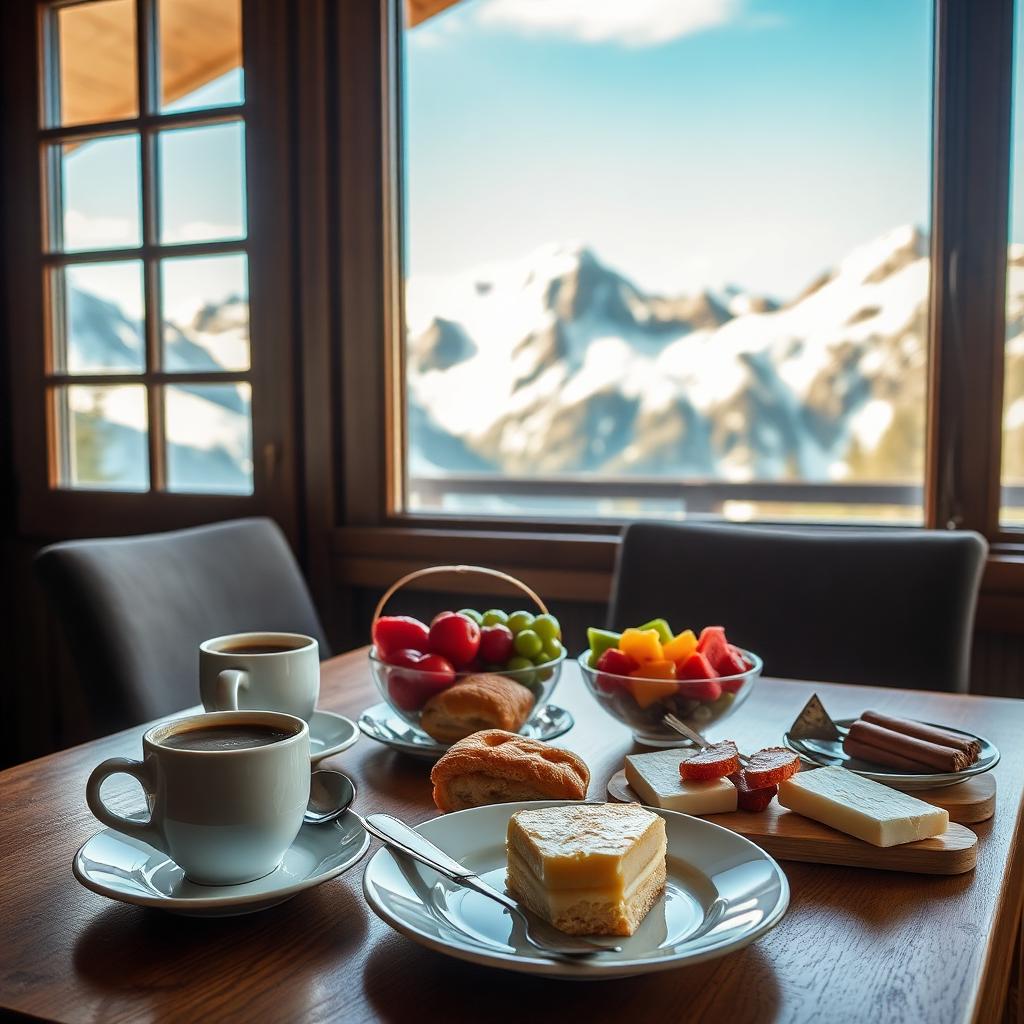
A hotel review only matters if it answers the question you actually asked: will this room, in this location, at this price, make my Cortina trip better? My notes on where to stay in cortina d'ampezzo come from walking the corridors, comparing quoted rates against what is genuinely included, and testing how the property behaves on a real ski-day morning or a hike-out afternoon.
If you only read one part, make it the section on timing. In the Dolomites that single choice outweighs almost everything else.
The place in one paragraph
Cortina does not have a single hotel strip; it has five distinct districts, each with a different walk-time to the centre and a different relationship to the lifts, and picking the wrong one costs you a taxi budget you didn't plan for.
Where to base yourself, district by district
Corso Italia / centre
Best for anyone without a car who wants to walk to dinner — expect street noise from the passeggiata until 11pm in August.
Zuel
A 12-minute walk to Corso Italia, closer to the Faloria cable car base than the centre is; quiet at night, thin on restaurants of its own.
Pocol
Panoramic and near the Cinque Torri/Falzarego road, but genuinely car-dependent once the last ski-bus has gone.
Fiames
Cheapest of the five, right by the Fiames cross-country stadium and cycle path, but a 20-minute walk or drive from the centre.
Alverà
Residential, family-run guesthouses, close to the Guargné footpath into town — undervalued for the price.
Booking snapshot
Location and access
Five minutes of walking changes a Cortina stay more than a star rating does. Central addresses put dinner and the evening passeggiata at the door and leave you shuttling out to the lifts; lift-side beds do the opposite. I judge a location by two walks — the one to a bus stop in ski boots, and the one home after a late dinner.
Rooms and atmosphere
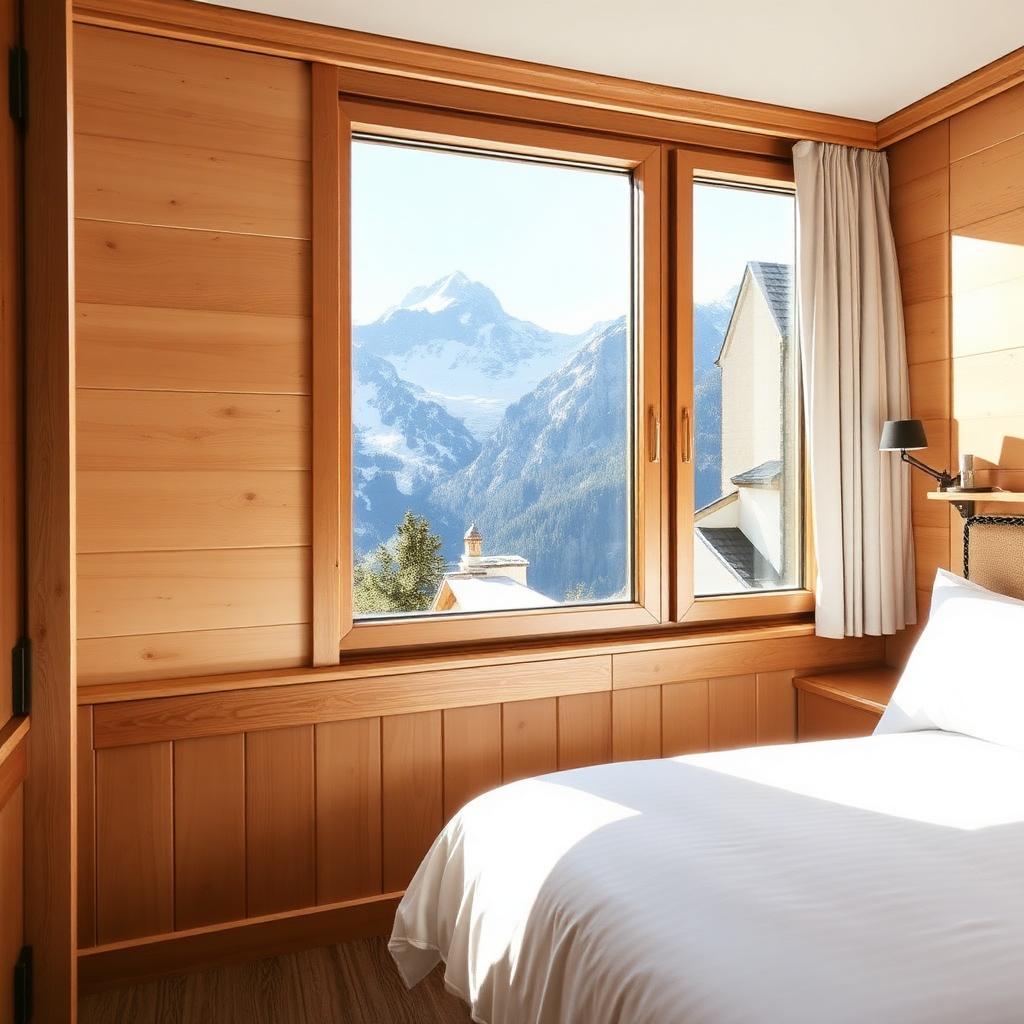
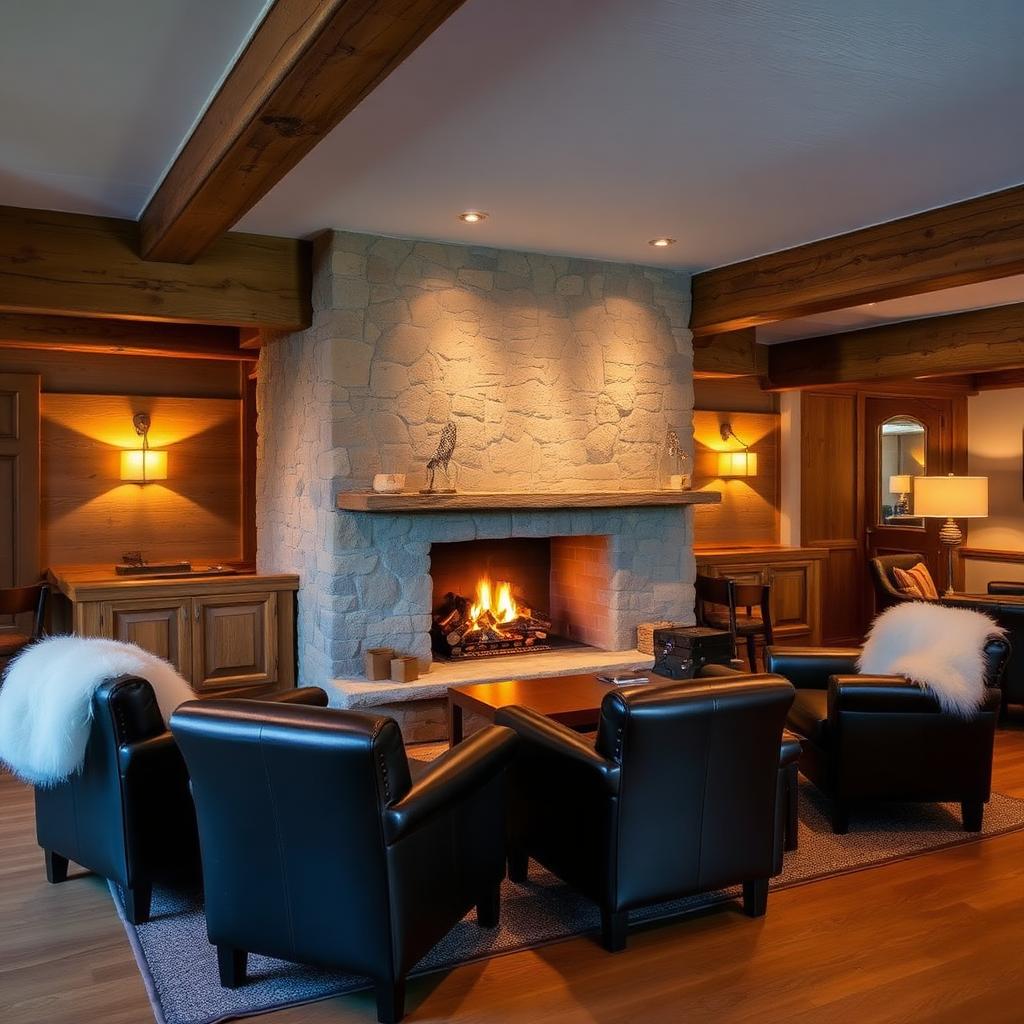
Most of these buildings began as valley inns, so entry-level rooms are honest rather than generous. Timber, wool, a small balcony, and a bathroom that has usually been renovated more recently than the corridors. Ask in writing for a mountain-facing room: within the same price band the difference between aspects is larger than the photos suggest.
What I liked
Corso Italia and its side streets carry the highest density of hotels within a 10-minute walk of the passeggiata; Zuel and Pocol trade that walk for quiet and mountain views but need a car or the ski-bus after dark; Fiames sits at the north end near the Olympic ice stadium and the cycle path to San Vito.
What to know before booking
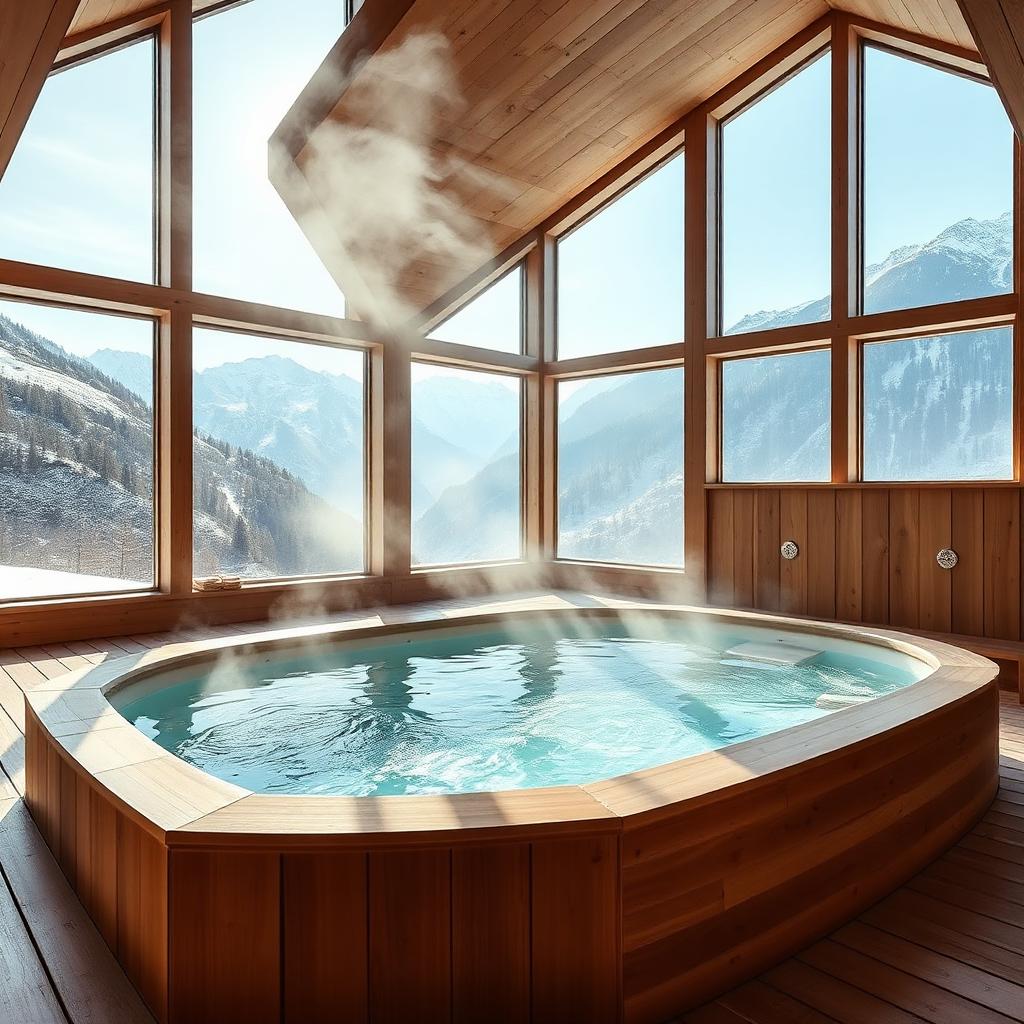
Confirm breakfast, spa access, garage and ski storage in the confirmation email, not the listing.
Many properties shut for weeks in April/May and again in October.
Peak winter weeks and Ferragosto often carry three- to seven-night minimums.
Rooms above the bar or facing the main road are the ones sold last for a reason.
Best for
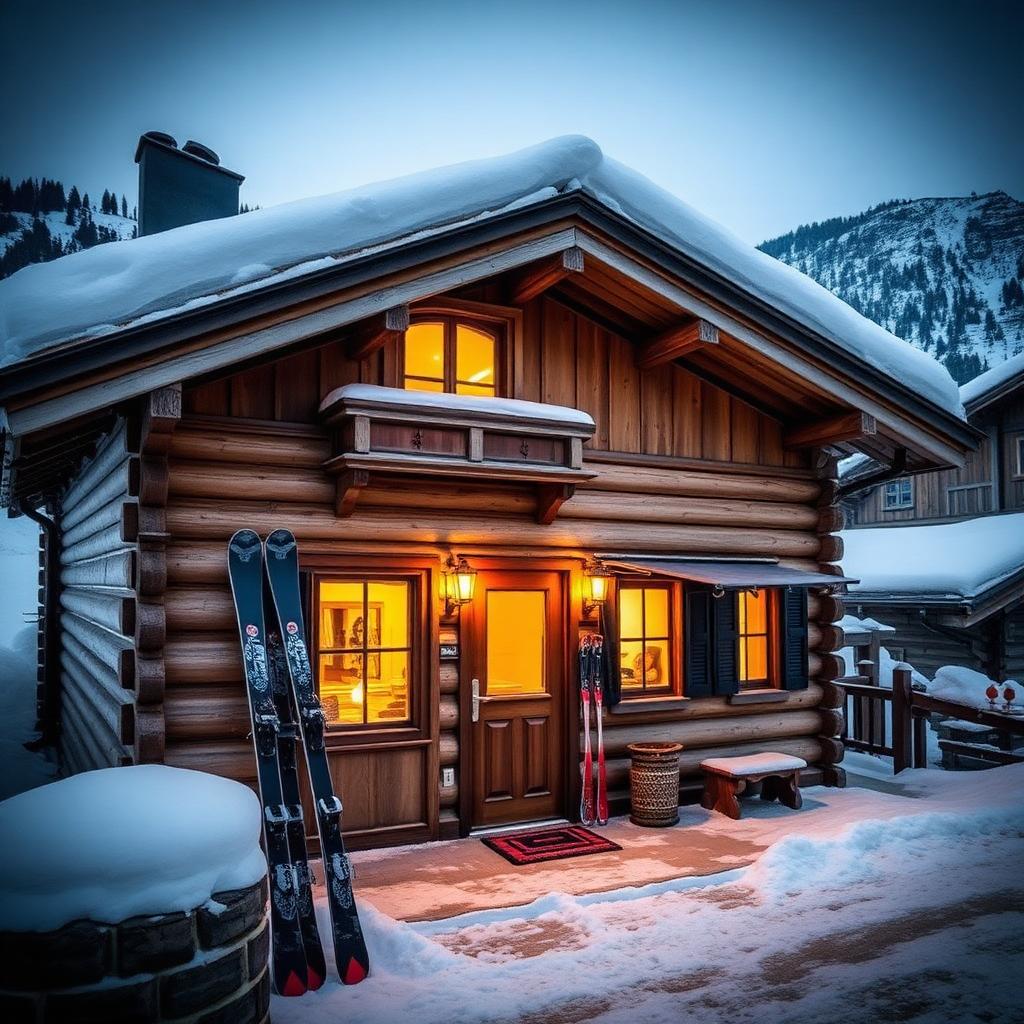
It suits travellers who spend the day out and want the hotel to be calm, well-placed and dependable when they return — a warm ski room, a real breakfast, staff who know which lift is running.
Who should skip it
Booking a Pocol hotel for the view and then discovering the last bus back from town runs at 20:15 in shoulder season — dinner in the centre becomes a €25 taxi each way.
Price and value, honestly
Shoulder-season dates and half-board packages can beat apparently cheaper room-only rates.
My call
If you don't have a car, filter listings by distance to the bus station on Via Marconi, not by distance to Corso Italia — the SAD/Dolomitibus network radiates from there, and a 3-minute difference in walk time to the piazza can mean a 20-minute wait for the ski-bus in December.
Breakfast and dining
Breakfast is where Cortina hotels quietly compete: proper coffee, local speck and cheese, good bread, and eggs to order at the better addresses. Half-board is worth running the numbers on if you plan to ski hard and eat late — but only if the kitchen is one you would choose anyway.
Parking and transport
Garage spaces are limited and usually charged nightly, so reserve one with the room if you are driving. Without a car, check the nearest bus stop and the last evening departure before you book — the network is good in season and thin outside it.
Nearby hikes, lifts and attractions
Nothing at altitude is genuinely walkable from a valley bed. What is walkable: Corso Italia, a handful of dependable dinner rooms, and at least one stop reaching the main cable cars. Trailheads and the lakes want an early car or the first shuttle of the day.
My experience
The stays I remember were not the most expensive ones. They were the places where the ski room was warm at seven in the morning, where someone rewrote my breakfast time without being asked twice, and where the corridor was silent by ten. That is most of what a hotel here can usefully do.
How the districts actually feel after dark
Corso Italia empties out by 11pm outside the festival weeks, but the pedestrian core stays lit and safe to walk with restaurant terraces open until closing. Zuel, ten minutes further, goes properly quiet — you hear the Bigontina stream more than traffic. That trade-off is the whole decision for most first-time visitors.
Pocol and Fiames are a different proposition entirely: dark, unlit rural roads with no street life once dinner service ends, which suits people who came for the mountains rather than the town but means budgeting for taxis or an early exit from any Corso Italia dinner.
Frequently asked questions
Which district is best without a car?
Corso Italia and the streets immediately behind it (Largo Poste, Via del Mercato) — everything else in Cortina requires either a car or planning around the ski-bus timetable.
Is Zuel walkable to the centre?
Yes, about 10-12 minutes on the riverside path, and it's actually closer to the Faloria lift base than most Corso Italia hotels are.
Are there hotels near the Olympic ice stadium?
Fiames and the northern edge of town, roughly 20 minutes on foot from Corso Italia or a short hop on the Dolomitibus urban line.
Does every district have equal ski-bus service?
No — Pocol and Fiames have thinner timetables outside peak winter weeks; check the printed Dolomitibus schedule at your hotel rather than relying on an app.
How far ahead should I book for August?
Six to nine months for anything central; the Ferragosto week (around 15 August) sells out first at every price point.
Book the room you actually want, get the inclusions in writing, and let the hotel fade quietly into the background of a good week.
Sources & further reading
Plan the next piece
Build a trip, not a checklist.
Pair this guide with a realistic itinerary and a place to stay near the activities you care about most.