Cortina Skiing Guide for First-Time Visitors
A first-timer's guide to skiing Cortina d'Ampezzo: which of the five sectors to ski, lift tickets, rentals, buses and the mistakes newcomers make on day one.
Reviewed by the Cortina Compass desk
Last verified on foot: January 2026 How we research
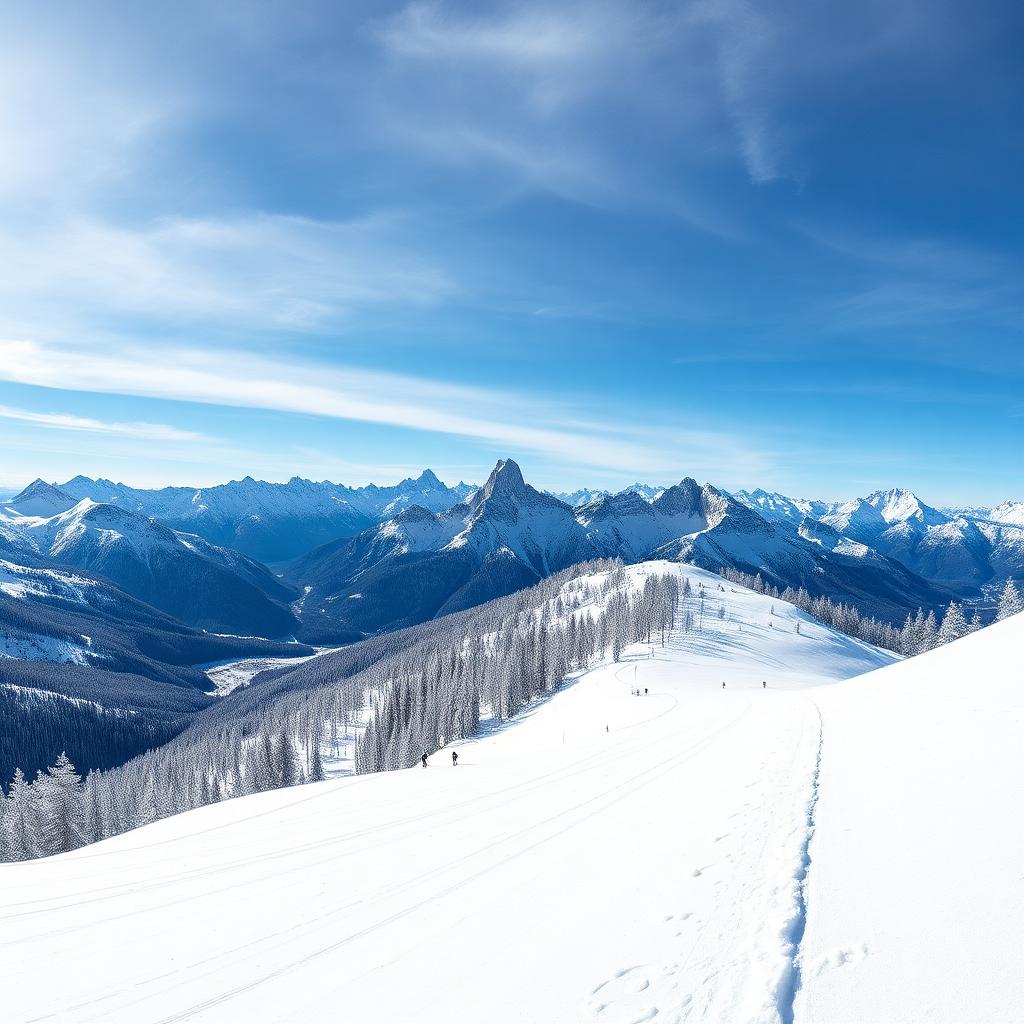
My first winter here I bought the biggest pass available, stayed near the bus station, and spent more time in ski boots on tarmac than on snow. Everything below is the correction of that week. It is not a resort summary; it is the order in which I would make the decisions again.
What you are actually booking
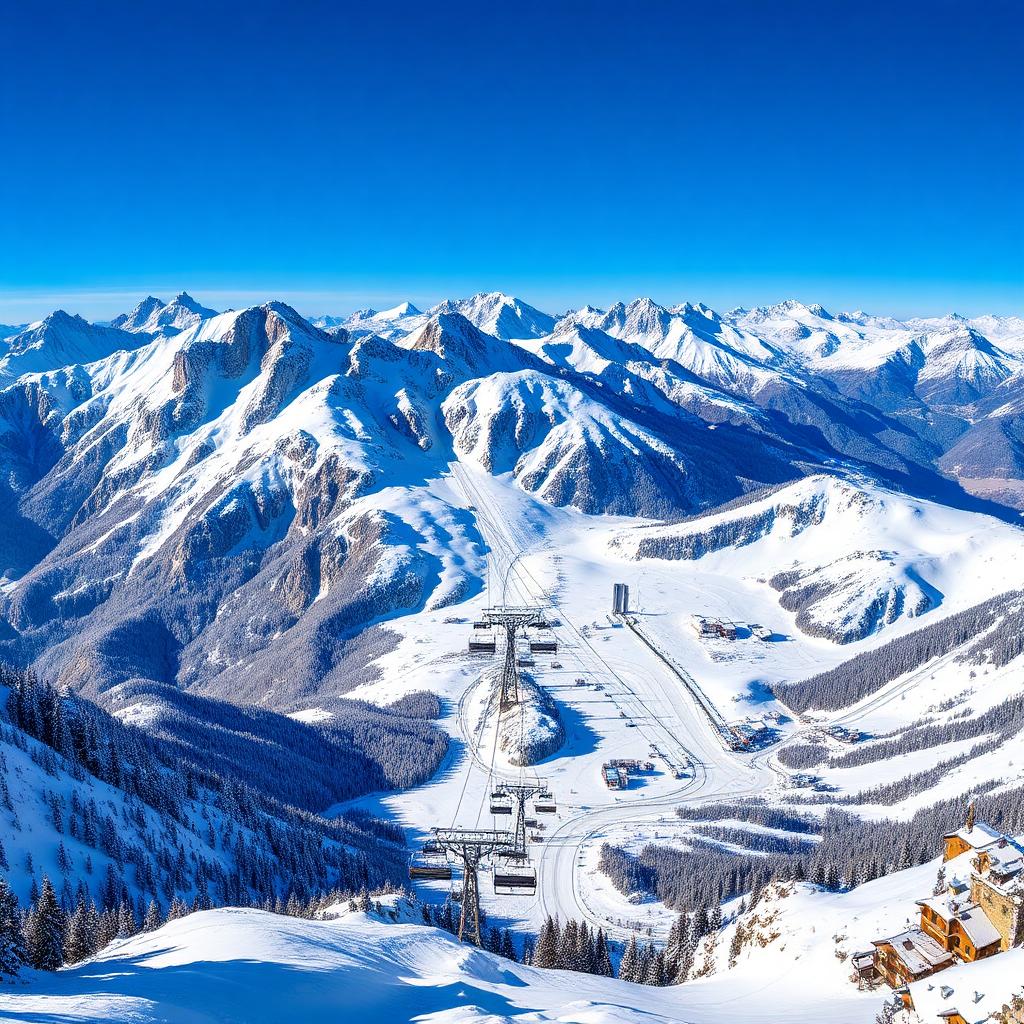
Cortina is a town with mountains attached rather than a purpose-built ski village, and that single fact explains most of the confusion first-timers arrive with. The lifts start in three different places, none of them next to your hotel unless you chose the hotel for that reason.
So the first question is not which pass or which skis. It is where you sleep, because that decides whether your morning starts with a two-minute walk or a twenty-minute shuttle with skis on your shoulder.
How to spend your first three days
Day 1 — Socrepes and Pocol
Gentle blues under the Cinque Torri lift network, good for finding your legs at 1,600-2,000m without exposure.
Day 2 — Tofana sector
Ride Freccia nel Cielo in three stages to 2,939m, ski down Olympia delle Tofane if you're solid on reds.
Day 3 — Faloria-Cristallo
Take Faloria cabin from town, ski across to Rio Gere and up Son Forca for wide, sunny cruising runs.
Rental shop
Sport Fanton on Corso Italia — fits boots properly and will swap skis mid-week at no charge.
Where the skiing is good, and for whom
The skiing itself is friendlier than the World Cup reputation implies. Long, generously wide runs, a lot of them graded red purely because of a short pitch near the bottom, and views that make people stop halfway down for no good reason.
If you are a confident intermediate you will run out of new pistes before you run out of week. That is fine — the day here is not measured in vertical metres.
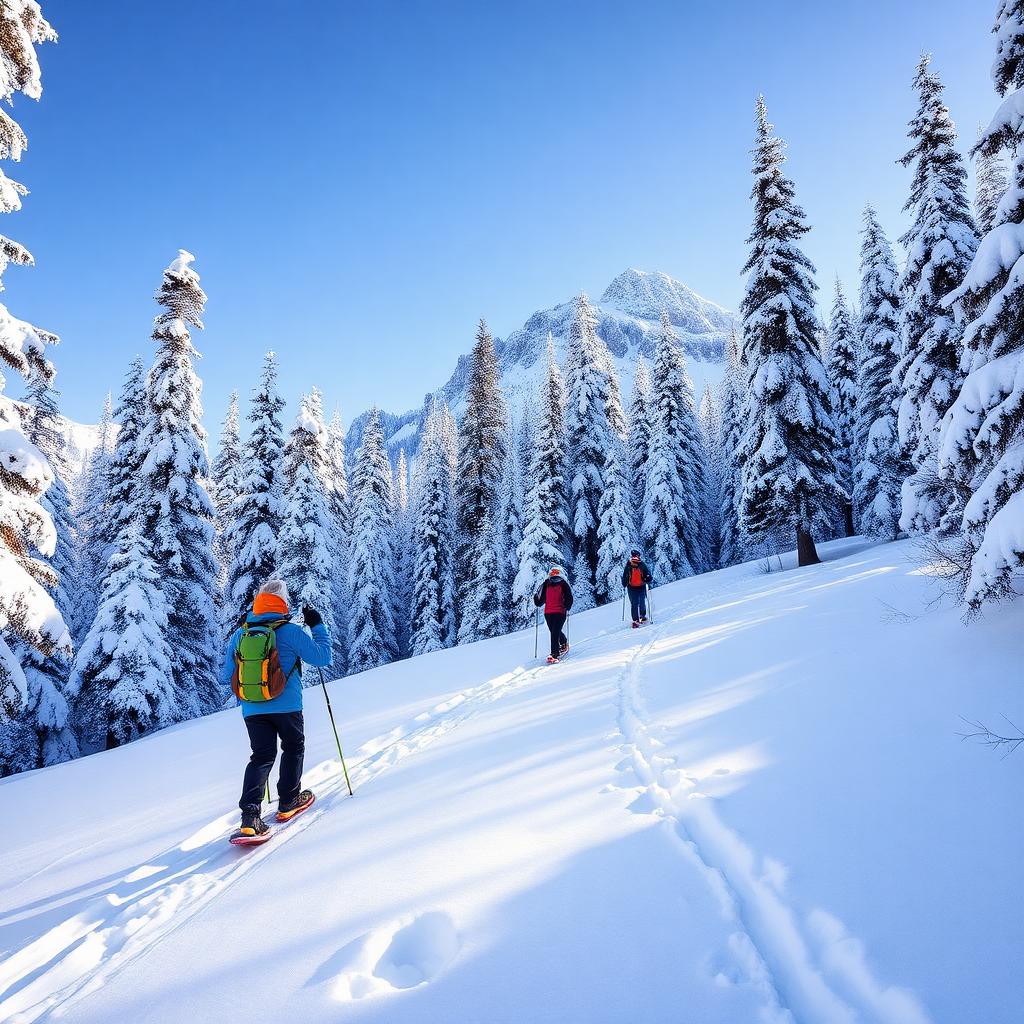
The pass decision, made early
Buy for the week you will actually ski, not the week you imagine. Most first visits end up spending four of six days within one or two sectors.
Boots first, everything else second
Get fitted the afternoon you arrive, not at eight the next morning with fifty other people. I have never regretted losing an hour on arrival day; I have regretted skiing in boots someone rushed.
Ask the shop to keep your gear overnight if they are near the lift. It costs nothing and removes the worst part of the morning.
Lunch is a scheduling problem
Book the mountain lunch. It sounds absurd for a first trip until the one Saturday you turn up at half past twelve and find every terrace full.
I usually eat at eleven-thirty or half past one and ski the hour everybody else spends queueing for a table.
My tip
Buy the multi-day Dolomiti Superski pass rather than the single Cortina pass if you're staying four nights or more — the price difference is small and it opens the Sellaronda and Cinque Torri lifts without a second purchase.
Reading a Cortina morning
Look at the wind before the snow. Cold and clear is easy to dress for; a strong north-westerly closes the high cabins and rearranges your plan while you are still at breakfast.
If the group skis at different speeds
Mixed groups do better meeting for lunch than trying to ski as one unit. Agree a rifugio and a time, then let people ski what suits them.
Socrepes — gentle, sunny, easy logistics.
Socrepes is usually the easiest base for mixed abilities and lesson logistics.
Book by December for February half-term.
Sledging at Mietres is a genuinely good afternoon.
Reading the five sectors before you buy a pass
Tofana is Cortina's steepest and highest terrain, topping out near 2,939m with the Olympic downhill course, Olympia delle Tofane, as its signature run — a 2025/26-season resurfaced piste with real pitch in its lower third. Faloria and Cristallo sit across the valley, linked by a short bus hop to Rio Gere, and offer sunnier, wider cruising with fewer bottlenecks after 10am.
Cinque Torri-Averau and the Lagazuoi-Falzarego sector both require the SS48 road toward Passo Falzarego, either by car or the Cortina Express ski shuttle; they're worth the trip for uncrowded reds and, at Lagazuoi, the long descent toward Armentarola with a horse-drawn sled back to the lift. Passo Giau, further along the SR638, is quieter still and best on a still, sunny day given its more exposed ridge position.
Frequently asked questions
Do I need a car to ski Cortina?
No. The free Dolomiti Superski ski bus covers all five sectors from the town centre; a car only helps if you want to reach Passo Giau or Falzarego before the bus starts at 08:15.
Which sector suits nervous intermediates?
Cinque Torri-Averau, reached from Passo Falzarego or Bai de Dones — wide, sunny, mostly red/blue terrain with none of Tofana's exposed upper pitches.
Is Cortina good for beginners?
Yes for the nursery slopes at Socrepes and Pocol, less so higher up — book a Scuola Sci Cortina lesson before venturing onto Faloria or Tofana blues.
How far in advance should I book lift passes?
Buy online through dolomitisuperski.com the week before for a small discount and to skip the ticket-office queue on your first morning.
What's the biggest first-timer mistake?
Trying to ski all five sectors in one day. Realistically pick one sector per morning and one per afternoon at most; transfers between them eat 45+ minutes each way.
If you only take one thing from this: choose your base carefully, be fitted properly, and let the day be shorter and better rather than longer and scattered. Cortina repays that.
Sources & further reading
Plan the next piece
Build a trip, not a checklist.
Pair this guide with a realistic itinerary and a place to stay near the activities you care about most.