Best Ski Runs in Cortina d'Ampezzo
The named pistes locals actually ski in Cortina: Olympia delle Tofane, Vertigine Bianca, Forcella Rossa and where to find them across the valley's lift network.
Reviewed by the Cortina Compass desk
Last verified on foot: February 2026 How we research
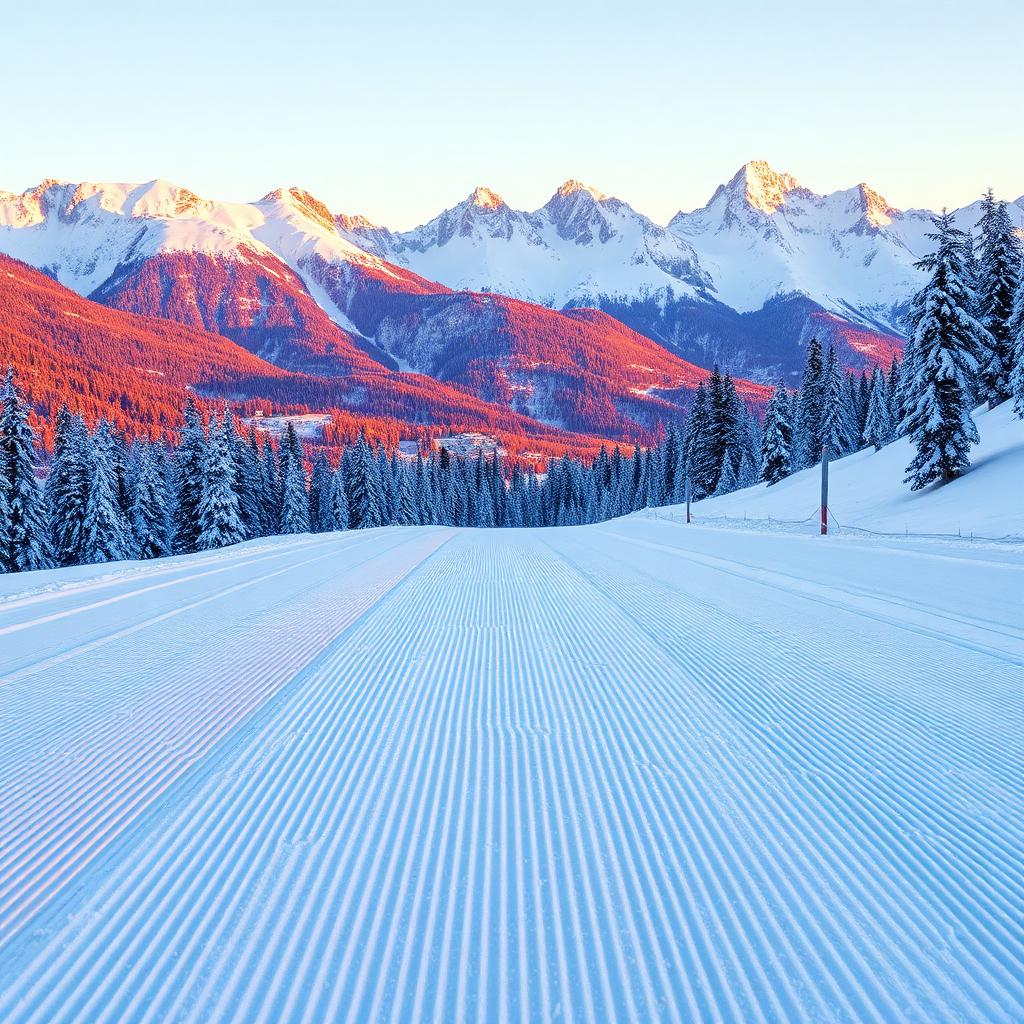
Ask ten skiers here for their favourite run and you get four answers and a fight about the fifth. These are mine, ranked by how often I actually go back to them rather than by gradient. A couple are famous, one probably shouldn't be on the list at all.
Where the good stuff hides
Tofana holds the steep, Faloria holds the drama, Cinque Torri holds the light. Nothing on this list requires a guide, but two of them require the lift to have been open long enough for the piste bashers' work to soften.
The runs worth planning your day around
Olympia delle Tofane
The Olympic downhill, 1,242m vertical, fast and firm — arrive by 09:30 before the piste bumps up.
Vertigine Bianca
North-facing chalk snow on Faloria; the name means 'white vertigo' and the top pitch earns it.
Forcella Rossa
Cristallo's shoulder-season showpiece, exposed ridge entry, long open red below.
Ra Valles
High, wide, sunny bowl above Tofana — good visibility run when cloud sits lower in the valley.
Bus de Tofana
A short, steep black off the Freccia nel Cielo mid-station, worth one lap for the view alone.
The runs I keep coming back to
Olympia delle Tofane deserves the reputation. Not because it is frightening — most competent skiers get down it fine — but because the pitch under the Schuss keeps going when you expect it to relent, and your legs notice on the third lap.
Vertigine Bianca off Faloria is the one I recommend to people who want a genuinely serious pitch without an audience. Early, before the sun works on it.
And then Cinque Torri's cruisers, which are not hard at all and which I ski more than either of the above, because the towers sit in front of you the whole way down.
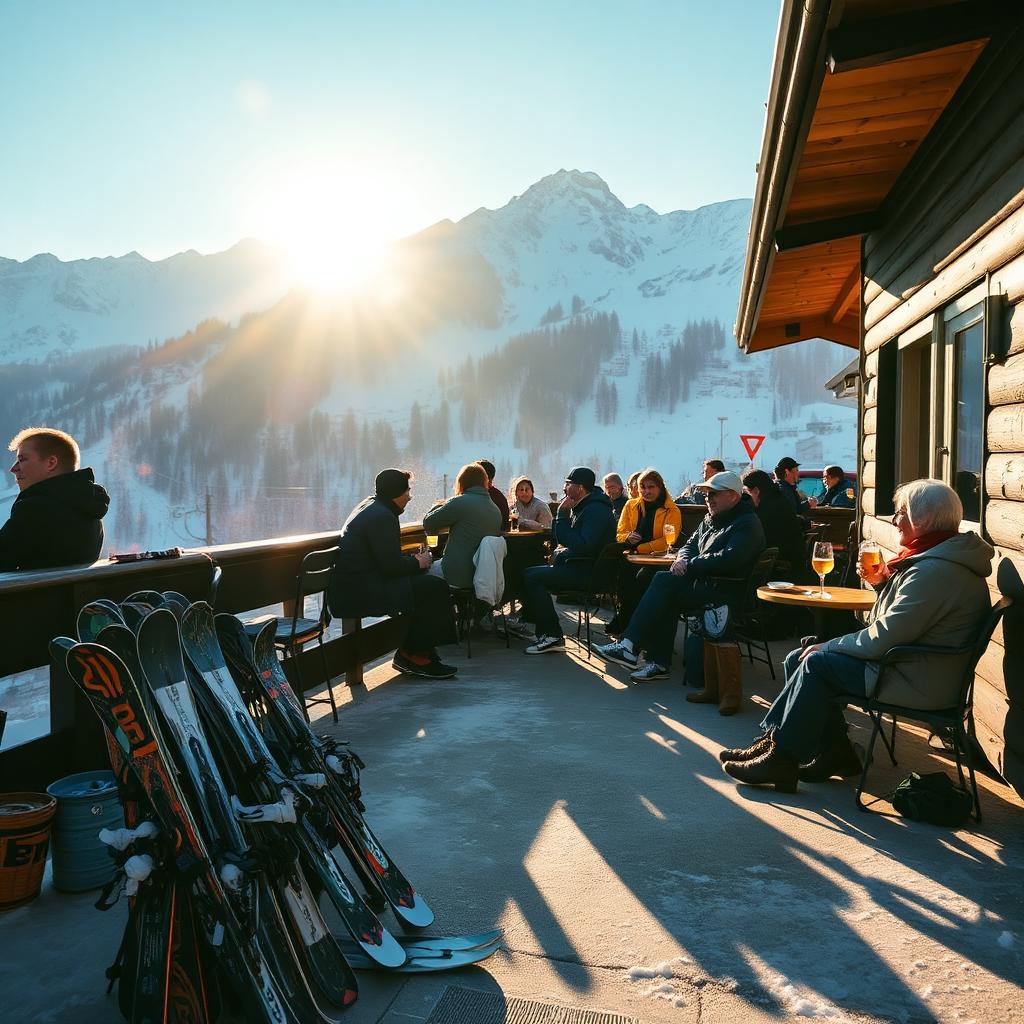
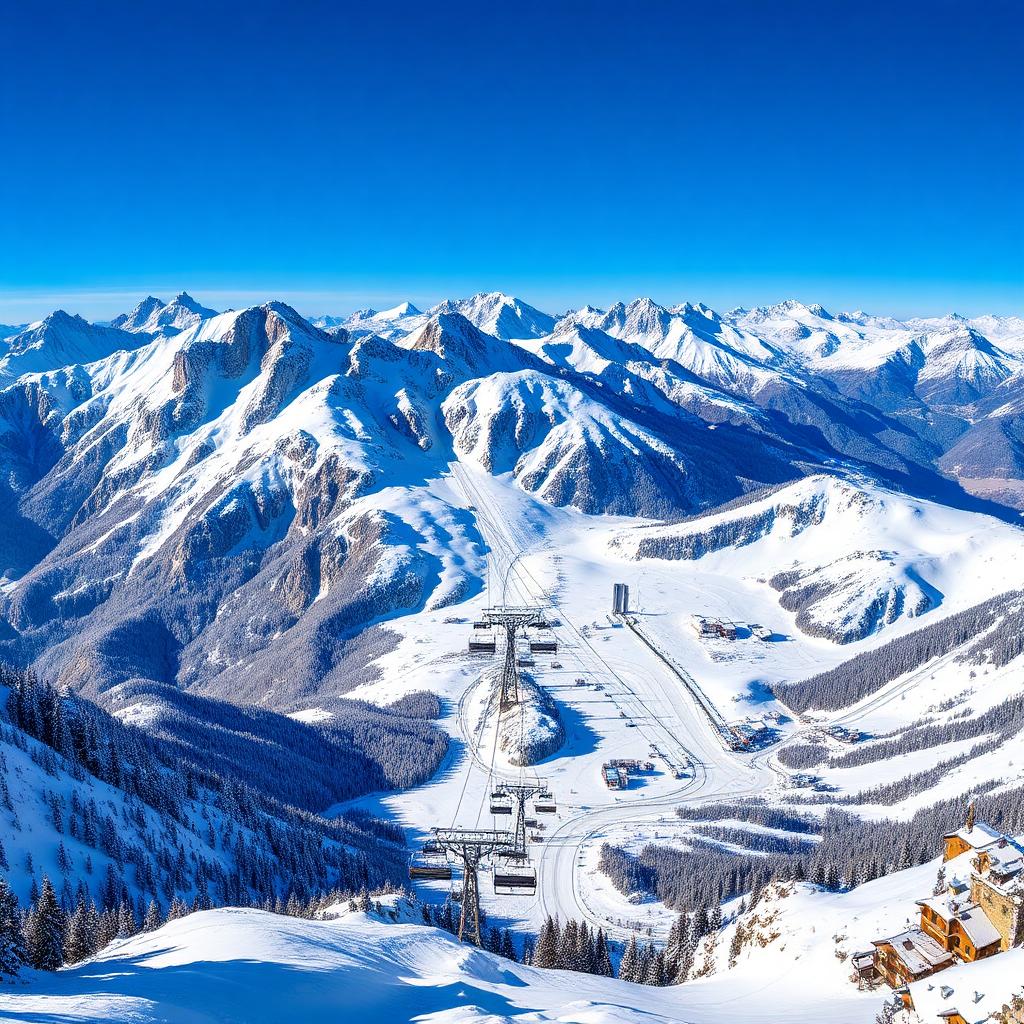
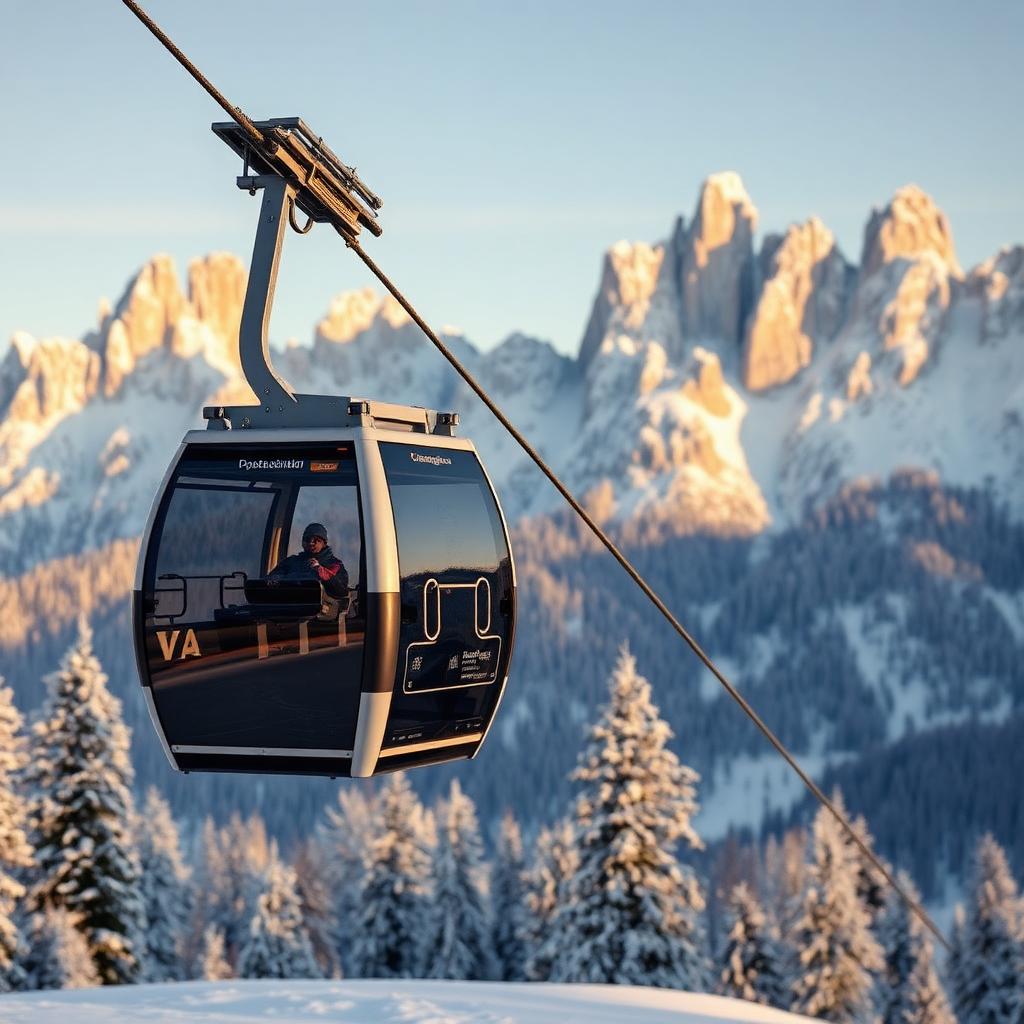
What you need to ski all of them
Everything worth doing on this list sits inside the local area. The regional pass buys you travel, not better runs.
Gear that suits this terrain
This is carving terrain, not powder terrain. A stiffer piste ski holds an edge far better on the boilerplate that forms under the Tofane pitch by mid-afternoon.
The stops that break up a long day
Rifugio Averau for lunch if the day is going well, Col Gallina if it is going badly and you need to be indoors quickly. I have used both for exactly those reasons.
My tip
Ski Vertigine Bianca on Faloria before 11am — it's north-facing and holds cold, chalky snow into the afternoon most of the season, but the lower gully gets tracked out and bumpy once the day's traffic builds.
Timing each run properly
North-facing runs hold their surface until mid-morning and then get better, not worse. Sun-facing ones give you twenty good minutes and then turn to porridge. Plan the sequence around that and you double the number of decent descents.
Which of these a nervous skier can handle
Only the Cinque Torri runs on this list belong in a family day. The rest will not be enjoyable for someone still thinking about turns.
Socrepes — gentle, sunny, easy logistics.
Socrepes is usually the easiest base for mixed abilities and lesson logistics.
Book by December for February half-term.
Sledging at Mietres is a genuinely good afternoon.
Timing the light and the crowds sector by sector
Tofana faces roughly south-east, so Olympia delle Tofane gets direct sun from mid-morning and softens by early afternoon — good for a 9:30-11:30 window if you want speed on a firm surface, less good after lunch when the lower third turns slushy in warm spells. Faloria and Cristallo face more north and hold their character longer into the day, which is why Vertigine Bianca and Forcella Rossa are the picks for an afternoon session in March.
If you're chasing all three in one day, start on Tofana at opening, bus to Faloria by midday for lunch at Rifugio Vitelli, then finish on Cristallo via the Rio Gere-Son Forca chair before it closes at 16:30. Reversing that order means arriving at Tofana in flat afternoon light, which does the terrain no favours.
Frequently asked questions
What's Cortina's most famous piste?
Olympia delle Tofane — the 1956 Winter Olympics downhill course and still used for FIS World Cup and World Championship races.
Is Vertigine Bianca suitable for intermediates?
The lower half is a manageable red; the top section is genuinely steep and better suited to confident skiers comfortable on ungroomed snow.
Which run has the best views?
Ra Valles on Tofana, looking straight across the valley to Sorapis and Cristallo at 2,470m — bring a phone with charge, everyone stops to photograph it.
Are these runs crowded?
Olympia gets busy 11am-2pm since it's the main way down to Rio Gere; Forcella Rossa and Vertigine Bianca stay quieter because they require a sector transfer.
When is snow quality best on these runs?
First two hours after lift opening, before sun and skier traffic soften the groomed surface, especially on the lower pitches.
Ski Olympia once for the story, Vertigine early for the surface, and Cinque Torri whenever the sky is doing something interesting. That is a full week without repeating yourself much.
Sources & further reading
Plan the next piece
Build a trip, not a checklist.
Pair this guide with a realistic itinerary and a place to stay near the activities you care about most.