Lago Ghedina: Cortina's Woodland Lake
A field-tested guide to lago ghedina: cortina's woodland lake, with honest logistics, current planning advice, and the small details that make a Dolomites trip run smoothly.
Reviewed by the Cortina Compass desk
Last verified on foot: June 2026 How we research
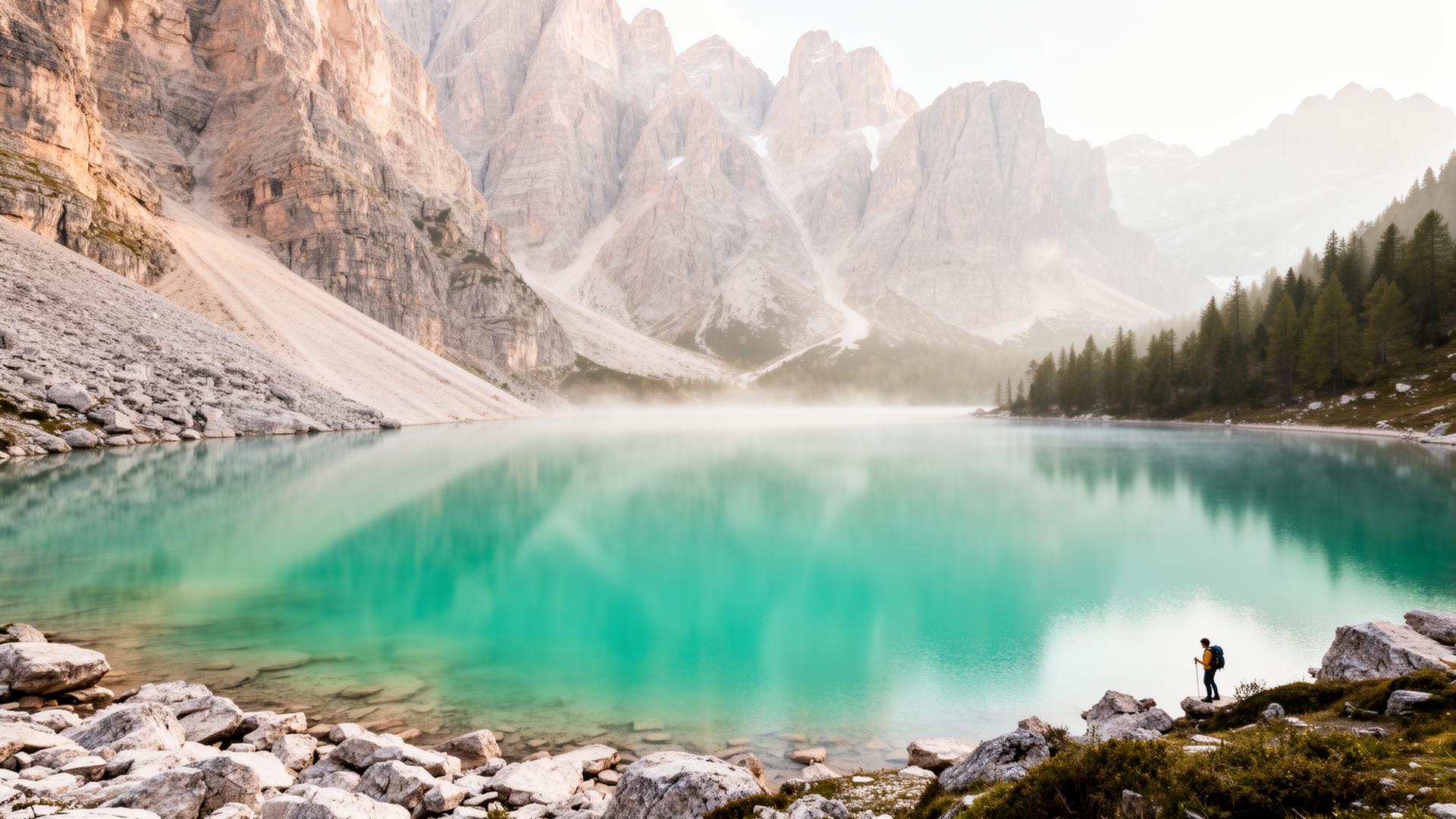
Ghedina is the lake I actually visit most, because it asks nothing of me. Ten minutes from Corso Italia, three euros to park, a rowing boat if I feel like it, a plate of something at the restaurant, home before the afternoon's gone. No toll gates, no dawn alarms, no permit questions.
The casual one
It's a small private-feeling lake in the woods below the Tofane, ringed by pines with a restaurant on one side. There's nothing famous about it, which is precisely the point on a day when the rest of the valley is full.
A half-day, planned properly
Restaurant jetty
Rowboat pickup and drop-off, also the best casual lunch table.
North shore pines
Shaded picnic spot away from the swim area.
Rifugio Duca d'Aosta
Ninety minutes up trail 407, worth it for lunch with the same lake as your return view.
Wooden footbridge, west end
Best photo angle of the pines reflected, quietest corner of the loop.
Pines, still water, no drama
Because it's low, sheltered and forest-fed rather than glacial, the water warms to 18–20°C by late July — properly swimmable, which almost nothing else around Cortina is. The pines come right down to the edge, so the surface stays glassy long after the high lakes have gone choppy.
Local insight
Ghedina sits at 1,315 m in mixed pine forest north of town. The lakeside loop is 800 m, stroller-friendly, and paid parking (€3/day) is right at the water.
Eight hundred metres of shoreline
The loop is 800 metres of gravel and boardwalk, flat, stroller-friendly, done in fifteen unhurried minutes. If you want more, trail 407 carries on up to Rifugio Duca d'Aosta in about ninety minutes.
Small lake, few angles
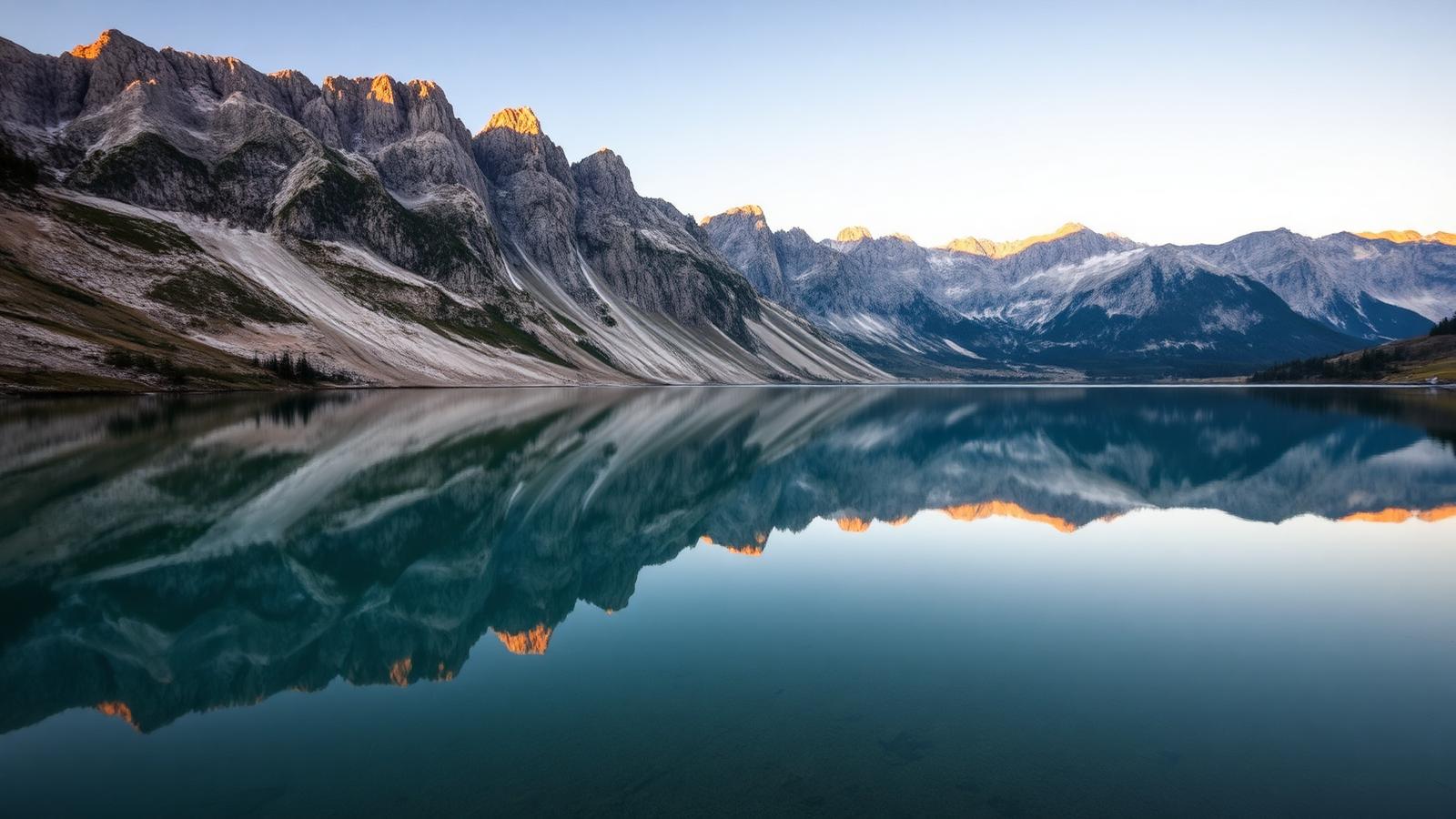
The wooden footbridge at the west end is the quietest corner and the best angle on the reflected pines. Everything else you can see from the jetty with a drink in your hand.
Yes, genuinely
Allowed, mid-July to late August, no lifeguard. The bottom shelves gently and the water is clear. It's the warmest realistic swim this close to town.
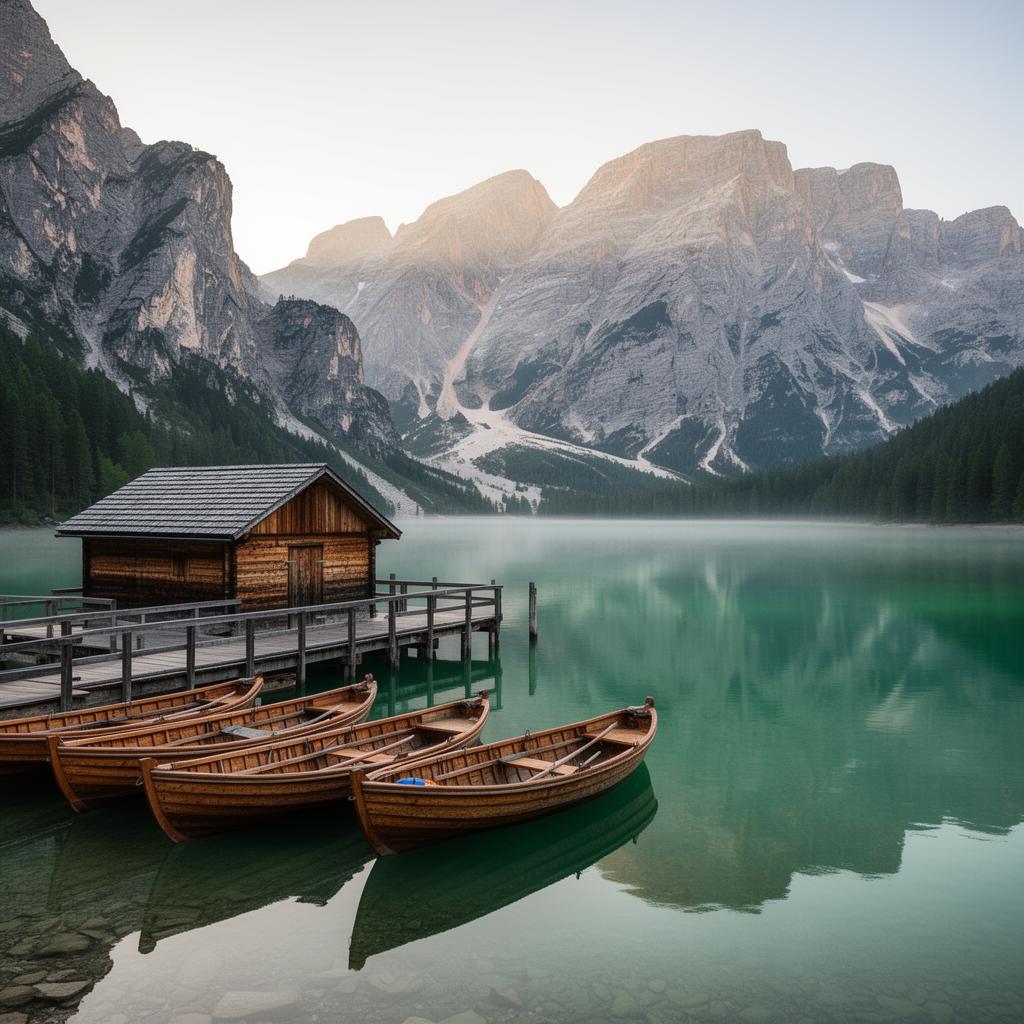
Rowing boats from the jetty
Ten euros for half an hour from the restaurant jetty, no permit, cash preferred. Rowing to the middle and sitting there is, honestly, the best thing you can do at this lake.
Reflections in the pines
It's a small subject — no grand ridge to frame. Shoot tight: pines doubled in the water, the boats tied at the jetty, light coming through the trees late in the day. Wide angles here mostly capture car park.
A summer lake, mostly
July and August are what it's for. Autumn is pretty and empty. In winter the road stays open but the restaurant hours shrink and there's not much to do beyond a cold walk round.
The one lake near Cortina you can treat casually
Ghedina doesn't demand a strategy — no toll windows, no dawn alarm, no permit questions. It's close enough to town that a spontaneous afternoon works: park, swim if it's July or August, eat lakeside, and be back in Cortina in under two hours if that's all the time you have. That casualness is unusual among the lakes covered elsewhere in this guide, most of which reward — or require — real planning.
Frequently asked questions
Can I swim in Lago Ghedina?
Yes, from mid-July to late August when water temperature hits 18-20°C. There's no lifeguard — swim at your own risk.
How do I get to Lago Ghedina without a car?
The 32 SAD bus from Cortina bus station stops at 'Ghedina' three times a day, or walk from town in 45 min via the Lunga Via delle Dolomiti.
Is Ristorante Lago Ghedina worth it?
Yes for the setting and the pizza. Book a lakeside table for lunch — evening dining is quieter but the lake goes dark by 20:00 in summer.
Is Lago Ghedina dog-friendly?
Yes on lead around the full woodland circuit, though the signed bathing area is off-limits to pets from June to September.
Any hikes from Lago Ghedina?
Trail 407 climbs from the lake to Rifugio Duca d'Aosta (1,780 m) in 90 min — a good easy half-day with a rifugio lunch and the same lake as the return objective.
No strategy required. Park, swim, row, eat, leave — Ghedina is the one lake here you're allowed to treat as an afternoon whim.
Sources & further reading
Plan the next piece
Build a trip, not a checklist.
Pair this guide with a realistic itinerary and a place to stay near the activities you care about most.