Cortina Ski Season: Snow, Dates, and Conditions
Cortina's ski season timeline explained: typical opening and closing dates, snowmaking coverage, snow depth by month and how to check live conditions before booking.
Reviewed by the Cortina Compass desk
Last verified on foot: March 2026 How we research
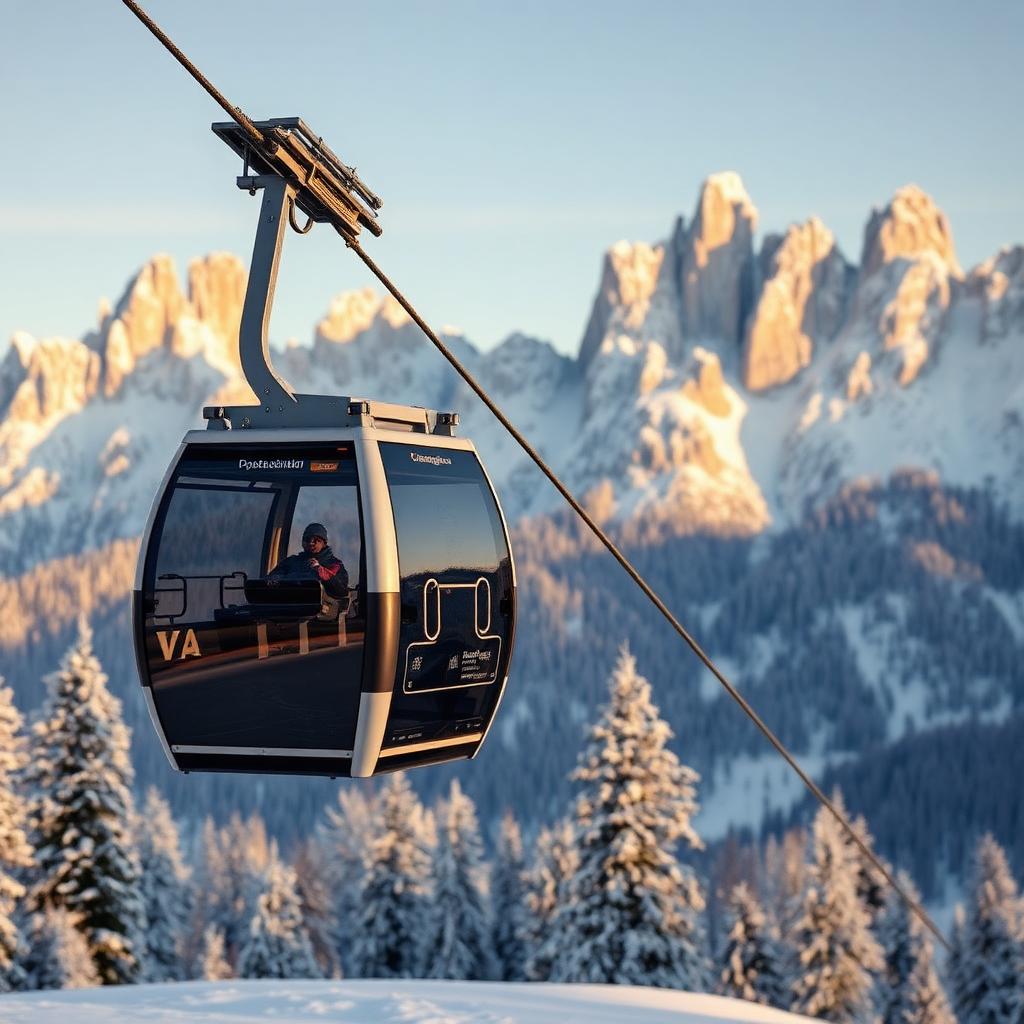
I have skied here in a January with almost no natural snow and a late March with more than anyone knew what to do with. The lesson from both was the same: the calendar tells you about crowds and prices, and the aspect of the slope tells you about the snow.
How the season is built
Snowmaking carries the early season, and it does it well — the pistes open on schedule most years regardless of what the sky has done. What snowmaking cannot give you is off-piste, tree cover or atmosphere.
How to plan your dates
Early December
Check snowmaking status first; skiable but limited to main groomed runs.
Christmas-New Year
Best snow reliability but peak prices and crowds; book lifts and lessons weeks ahead.
Late January-February
Statistically the most consistent natural snow depth of the season.
Mid-March
Longer days, softer afternoon snow, thinner crowds; watch for warm spells affecting lower runs.
How each sector holds snow
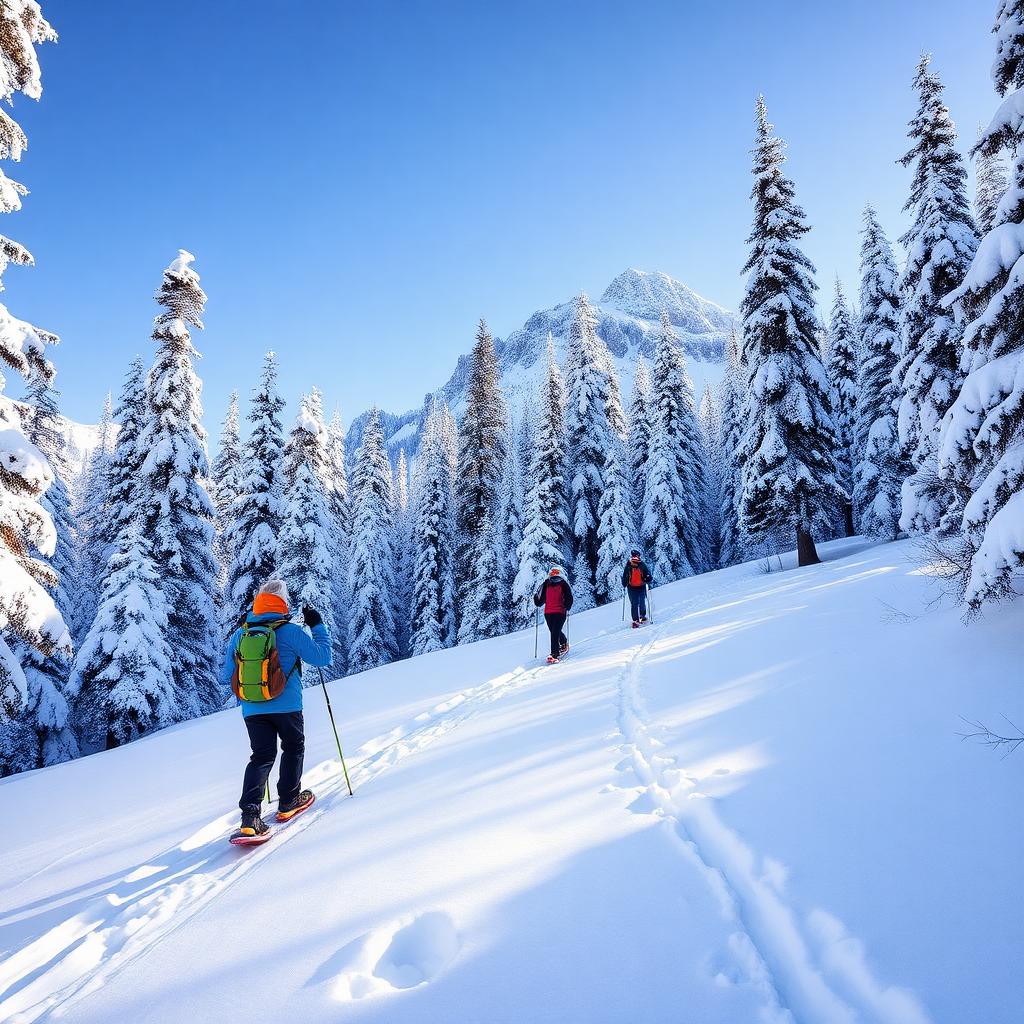
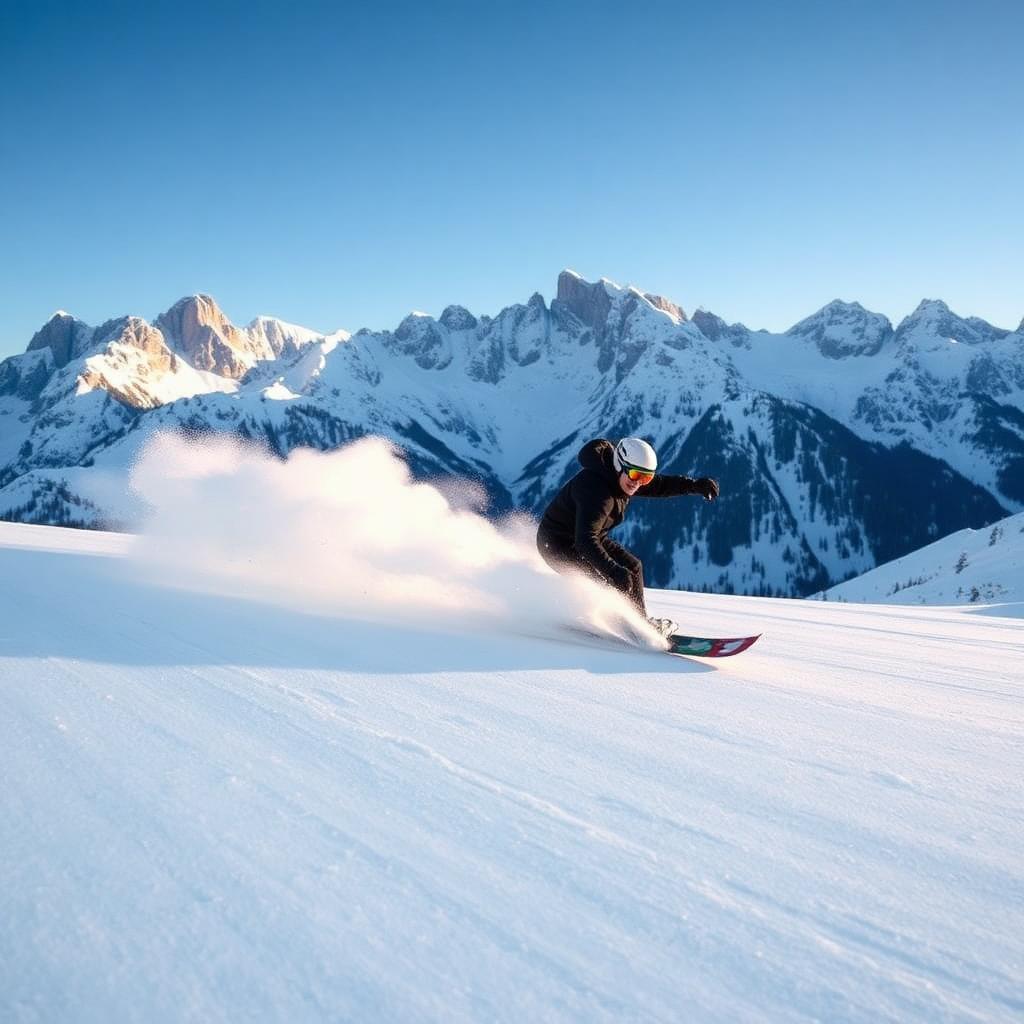
North-facing terrain on Faloria and the upper Tofana holds a surface for weeks. Sun-facing Cinque Torri is gorgeous in January and unreliable by late March afternoon.
Booking around uncertainty
In an uncertain year I buy shorter multi-day tickets and top up, rather than committing to six consecutive days I may not want.
Gear for hard mornings
Early-season and cold-snap mornings are hard and fast. A freshly tuned edge matters more here than any other equipment decision.
When the terraces are worth it
From late February the terraces come into their own and lunch stretches. That is not a snow report, but it is a real reason to prefer the back half of the season.
My tip
Check the ARPA Veneto snow-depth bulletin and Dolomiti Superski's live piste map together before booking a trip earlier than mid-December or later than late March — one tells you what's on the ground, the other what's actually open.
Reading the day properly
My routine: wind forecast first, freezing level second, actual snowfall third. Freezing level above two thousand metres means the low pistes will be heavy by noon whatever the headlines say.
The high cabins close in strong wind more often than visitors expect, so keep a low-altitude plan in your pocket every day.
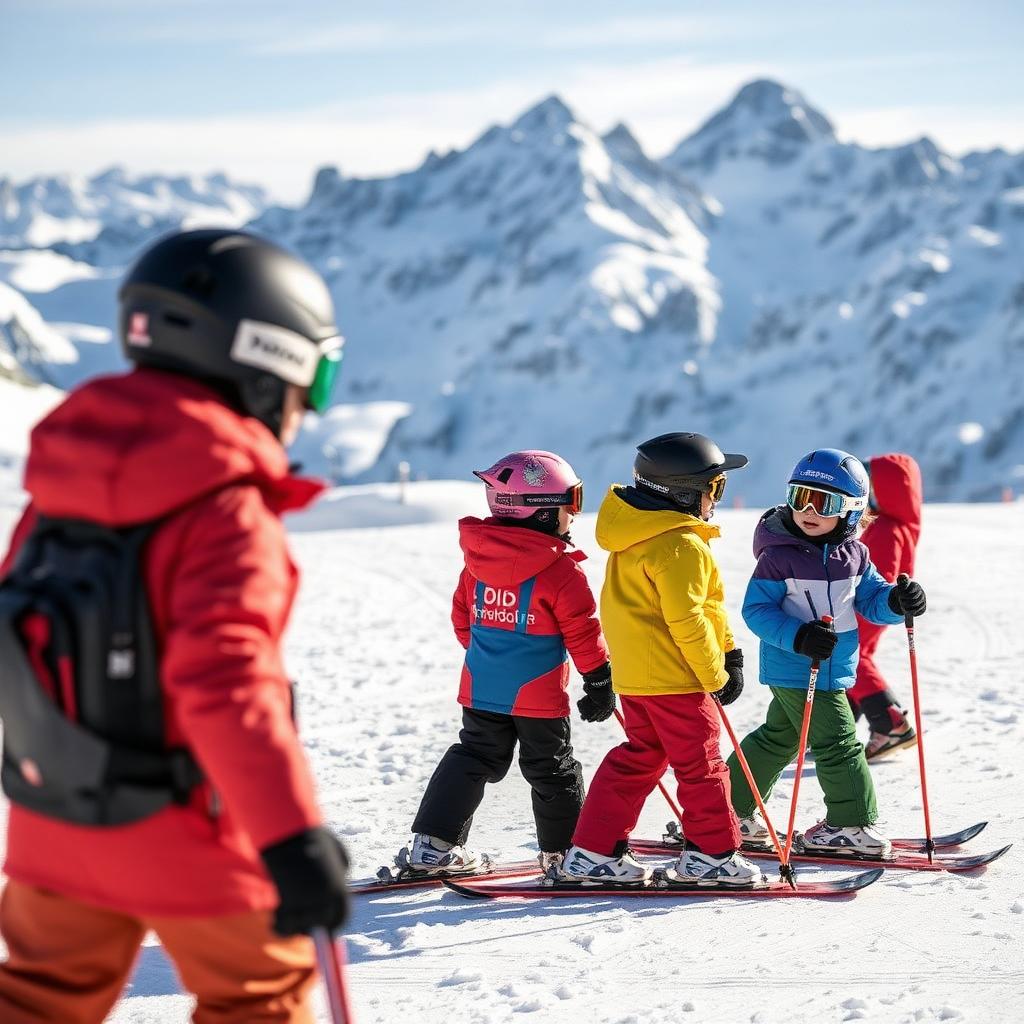
Which weeks suit families
Mid-January is quiet, cold and cheap. Early March is warmer, longer-lit and busier. With children I take March every time.
Socrepes — gentle, sunny, easy logistics.
Socrepes is usually the easiest base for mixed abilities and lesson logistics.
Book by December for February half-term.
Sledging at Mietres is a genuinely good afternoon.
Why 'season open' doesn't mean every sector is skiable
Dolomiti Superski publishes a daily lift-and-piste status, and in the shoulder weeks of the season — early December and late March — it's common for Tofana and Faloria's main runs to be open while Passo Giau or the higher Lagazuoi variants stay closed for lack of natural snow or wind damage to the piste surface. Booking a trip around a single 'season opens' headline without checking that daily map is the most common planning mistake for this resort.
Aspect matters too: north-facing runs on Cristallo and the upper Faloria sector hold quality snow noticeably longer into March than the more south-facing lower pitches on Tofana, which is worth factoring in if your trip lands in the season's final fortnight.
Frequently asked questions
When does Cortina's ski season usually start?
Most years late November to early December, though exact dates depend on snowmaking conditions and are confirmed only a couple of weeks ahead.
When does it usually end?
Typically late March into early April, sometimes extending on Tofana's higher runs if the season has been snowy.
Is early December skiing worth it?
Only if you check current snowmaking coverage first — it can be genuinely good on Tofana's groomed pistes or quite limited, depending on the week.
What's the most reliable snow month?
February, statistically, followed closely by mid-January, based on typical natural accumulation above 2,000m.
Where can I check live conditions before booking?
ARPA Veneto's snow bulletin for depth data, and Dolomiti Superski's website for which lifts and pistes are actually open that day.
Check wind and freezing level before you check anything else, ski the aspect that suits the hour, and the season dates matter far less than people think.
Sources & further reading
Plan the next piece
Build a trip, not a checklist.
Pair this guide with a realistic itinerary and a place to stay near the activities you care about most.