Driving in the Dolomites: Roads, Tolls, and Fuel
The SS51 from Venice, Falzarego at 2,105 m, and a 15 November tyre deadline shape every drive into Cortina — here's what the road signs won't tell you.
Reviewed by the Cortina Compass desk
Last verified on foot: December 2025 How we research
Most avoidable Cortina problems are solved in the twenty minutes before you leave the house. This is a working checklist for driving in the dolomites — no gear porn, no filler, just what I have learned belongs in the bag and on the phone.
If you only read one part, make it the section on timing. In the Dolomites that single choice outweighs almost everything else.
Why this list matters
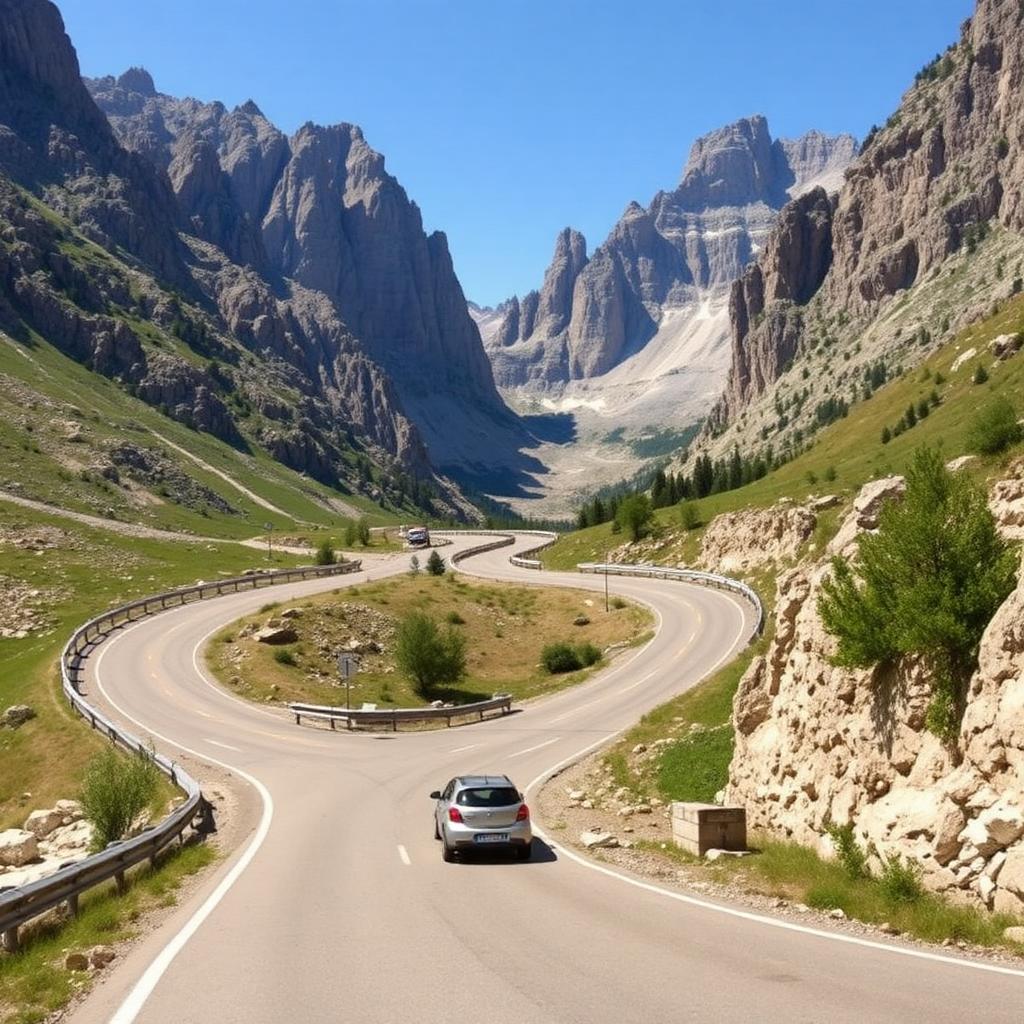
Most rental confusion in Cortina starts on the SS51 Alemagna somewhere around Cimabanche, where drivers realize the smooth valley road they left Venice on has turned into a series of hairpins with a pass summit still ahead.
Route notes worth knowing before you drive
SS51 Alemagna from Venice/Belluno
the main approach; check stradeanas.it for closures around Cimabanche in winter
SR48 delle Dolomiti toward Falzarego
the classic pass road west to Alta Badia; hairpin-heavy above Pocol
Passo Tre Croci (1,805 m)
the route east toward Misurina and the Tre Cime toll road turnoff
Winter tyre obligation window
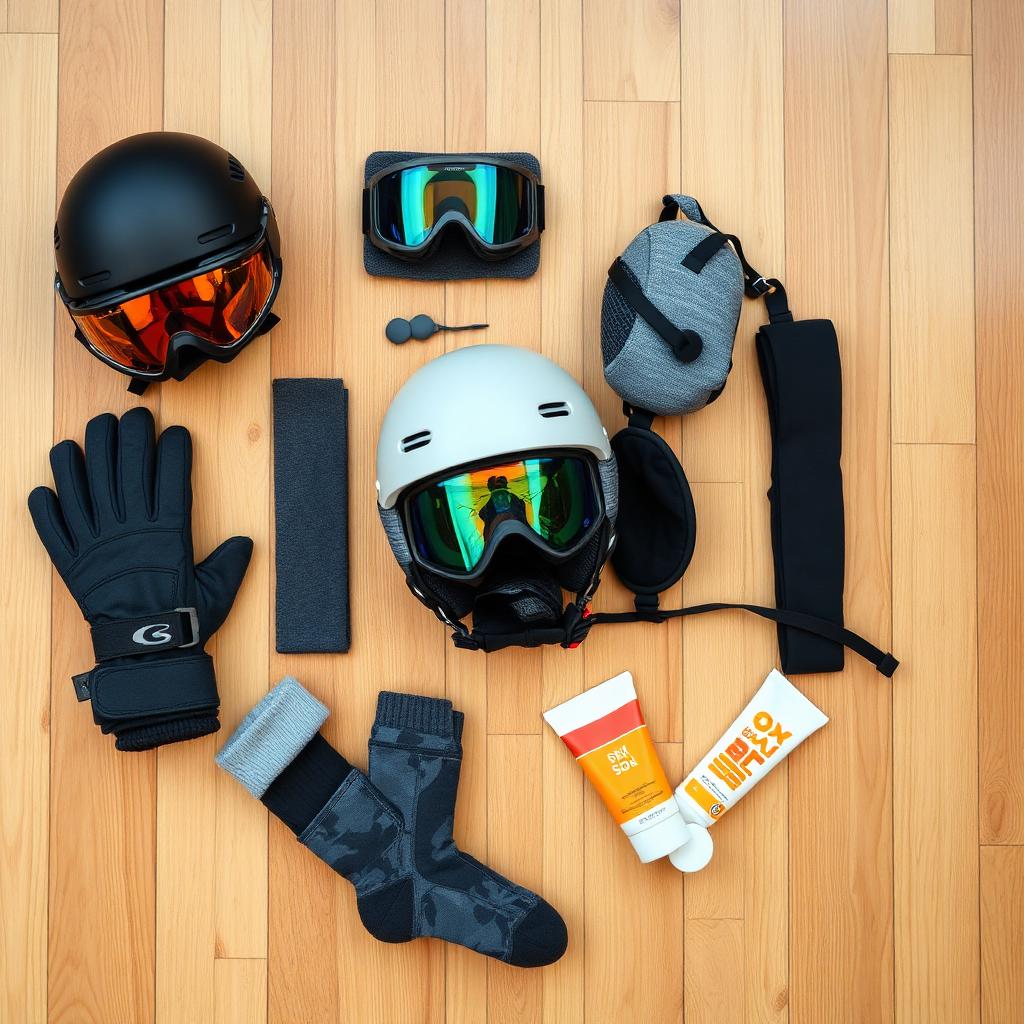
15 November–15 April; carry chains even with winter tyres above Falzarego
Fuel stop in Longarone
cheaper than Cortina-area stations and the last easy stop before the climb
Tre Cime toll road (€30/car)
seasonal, typically open June–October, closed to private cars off-season
The essentials, unglamorous version
Gear that earns its place
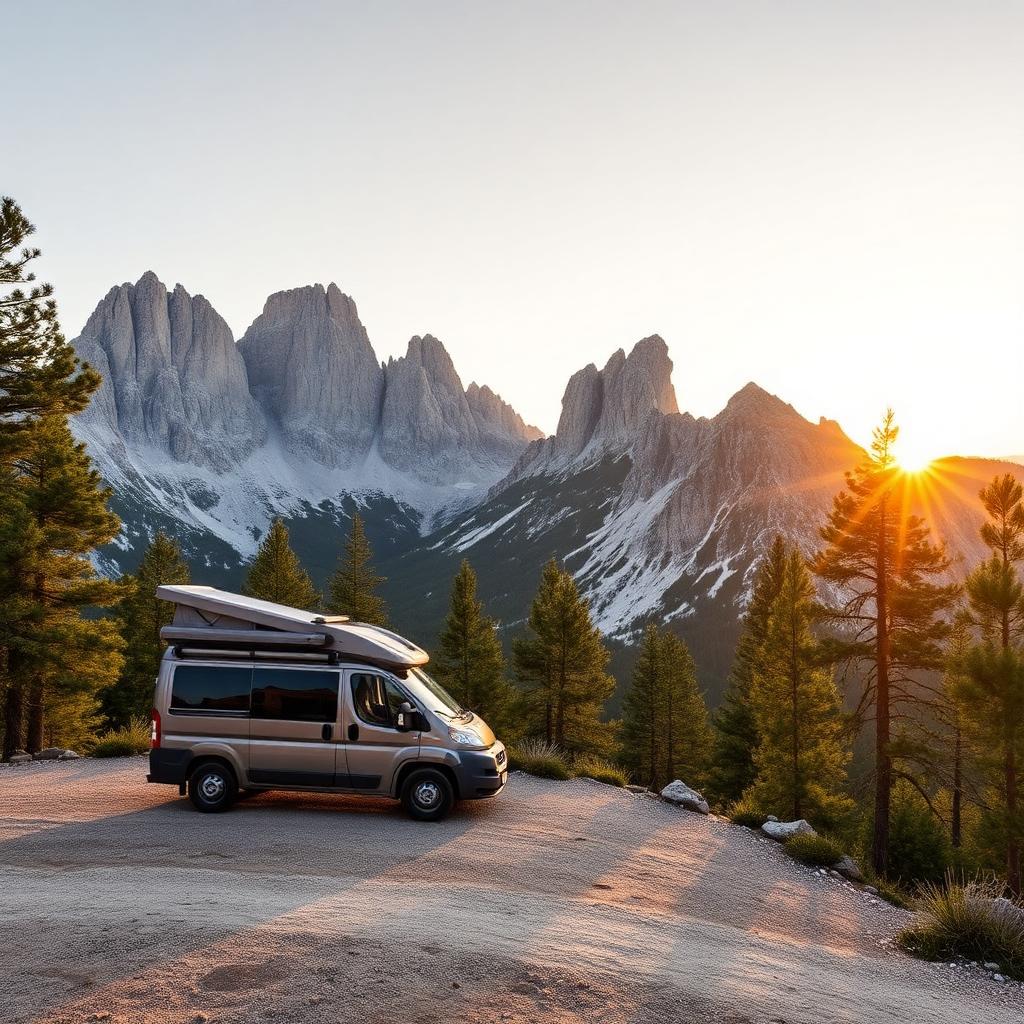
Passo Falzarego (2,105 m) and Passo Giau (2,236 m) are both closed to normal traffic in heavy snow and, even when open in winter, require the 15 November to 15 April winter tyre or carried-chain obligation enforced across the Veneto and Alto Adige mountain network.
Mistakes I have watched people make
One warm layer beats three thin ones.
New boots break in on your trip; break them in at home.
Screenshot the last bus. Every time.
Assuming the Tre Cime toll road (€30 per car, seasonal) covers Passo Falzarego or Giau too — it doesn't; those are free public roads, and the toll applies specifically to the Auronzo hut access road for Tre Cime di Lavaredo.
One small habit that changes the trip
I fill up in Belluno or Longarone before the climb rather than at Cortina's pumps — prices at altitude stations near Cortina run noticeably higher than valley-floor stations along the SS51.
Falzarego after fresh snow
A fresh dump on Passo Falzarego changes the drive completely from what a summer visitor remembers. Plows generally clear the SR48 by mid-morning, but the hairpins below the Lagazuoi cable car station ice over in shadow well after the sun's up elsewhere, and that's exactly where rental cars without proper winter tyres lose grip.
Locals wait for the plow pass rather than being first up after overnight snow — check the ARPA Veneto mountain bulletin the evening before, and if it's flagged red for the Dolomites zone, the smarter call is a mid-morning start once salt trucks have been through.
Frequently asked questions
Do I need chains if my rental already has winter tyres?
Yes, carry them anyway — the 15 November to 15 April obligation on Dolomites passes often requires chains to be present in the vehicle regardless of tyre type, especially above Falzarego and Giau.
Is the Tre Cime toll road open in winter?
No, it's a seasonal road, generally open roughly June through October; outside that window Tre Cime is reached on foot or ski from Rifugio Auronzo's closed gate.
Where's the cheapest fuel near Cortina?
Stations in Belluno or Longarone on the way up the SS51 typically beat prices at the handful of pumps directly around Cortina.
Can I drive Passo Giau in winter?
It stays open more often than not with tyre/chain compliance, but check ARPA Veneto's road bulletin or stradeanas.it before committing, since closures after heavy snowfall are common.
Is the SR48 or the SS51 the more difficult drive?
The SR48 toward Falzarego has tighter, more frequent hairpins; the SS51 is longer but more gradual until the final climb past Cimabanche.
Pack for the trip you have planned, not the trip you have imagined, and Cortina will feel effortless.
Sources & further reading
Plan the next piece
Build a trip, not a checklist.
Pair this guide with a realistic itinerary and a place to stay near the activities you care about most.