What to Pack for Cortina in Summer
Cortina sits at 1,224 m, so July nights drop to 10°C even after a 26°C afternoon — here's exactly what earns a spot in the bag.
Reviewed by the Cortina Compass desk
Last verified on foot: November 2025 How we research
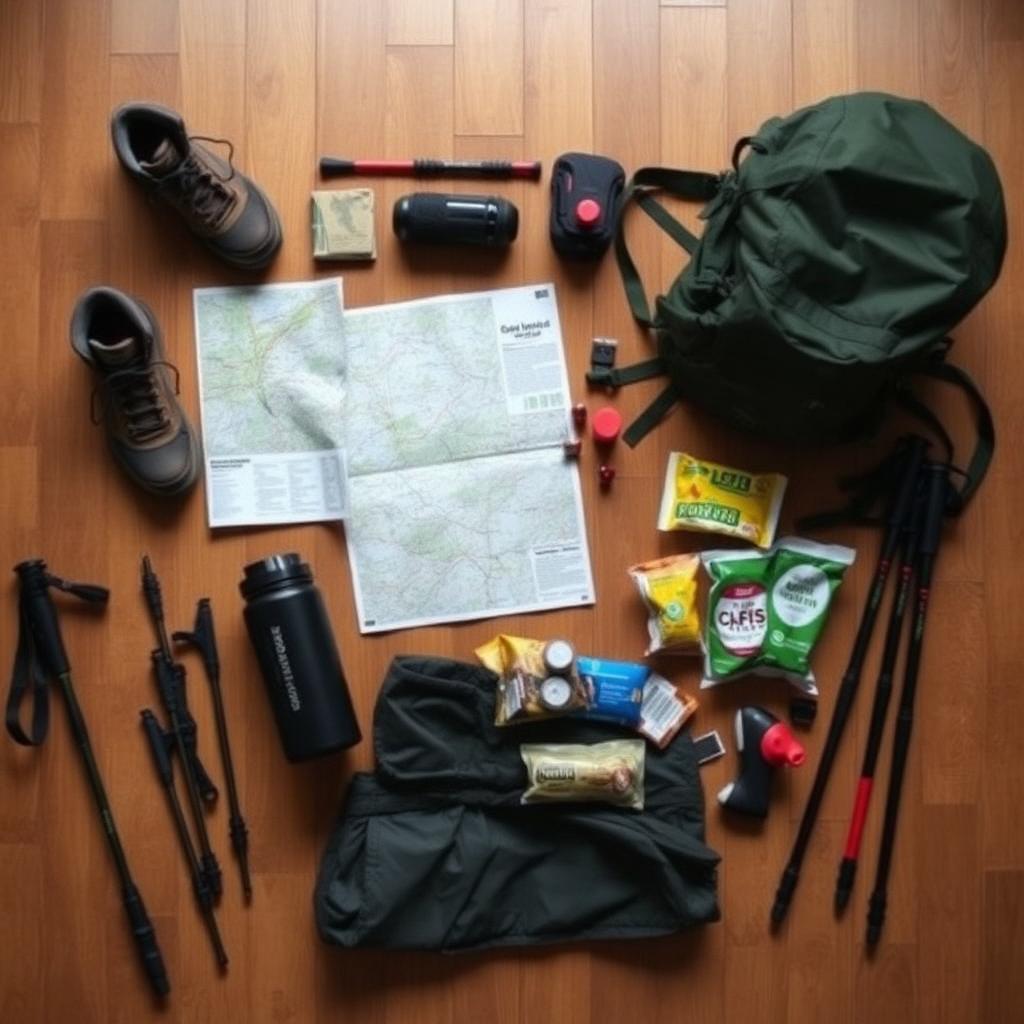
Most avoidable Cortina problems are solved in the twenty minutes before you leave the house. This is a working checklist for what to pack for cortina in summer — no gear porn, no filler, just what I have learned belongs in the bag and on the phone.
Read it as a briefing rather than a brochure: what works, what fails, and what I would do differently on a second visit to what to pack for cortina in summer.
Why this list matters
Corso Italia in August can feel like a Milan heatwave at lunch and a Lagazuoi wind tunnel by 7 p.m., and the gap between those two moments is what trips up most summer visitors.
What actually goes in the bag
Packable hardshell (150–200 g)
afternoon storms are near-daily in July; this is not optional above the treeline
Merino buff
doubles as sun protection at midday and neck warmth at a windy rifugio col
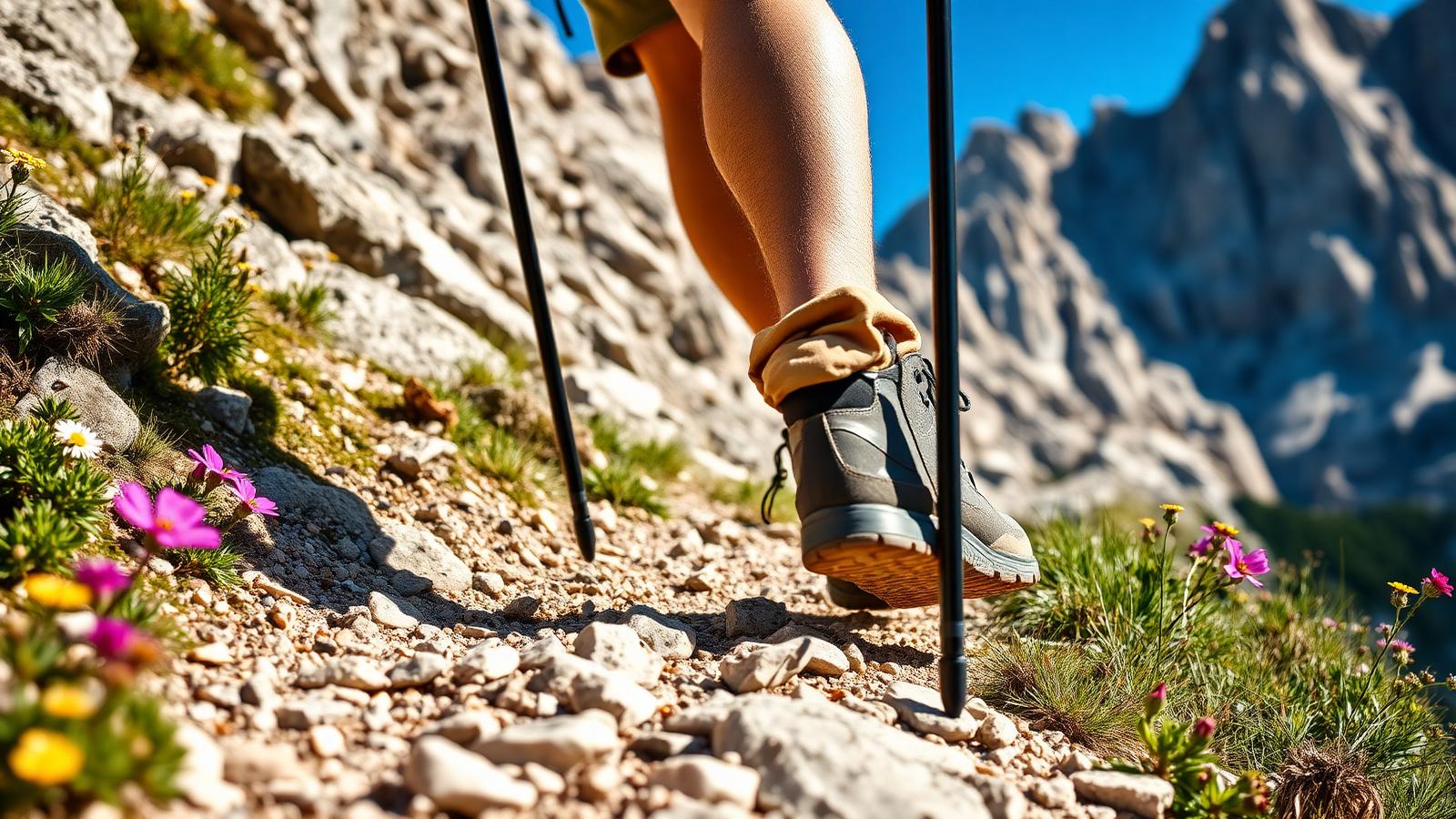
Trail shoes with a stiffer lugged sole
the limestone scree on Cinque Torri and Croda da Lago approaches gets polished and slippery when damp
Light insulated vest
for the 10°C mornings at Fiames or Passo Tre Croci before the sun clears the ridgeline
1.5 L soft flask plus purification tabs
many rifugi charge for refills; streams below Sorapis run reliably in July
Compact umbrella for town days
Corso Italia storms pass in 20 minutes but arrive hard
The essentials, unglamorous version
Gear that earns its place
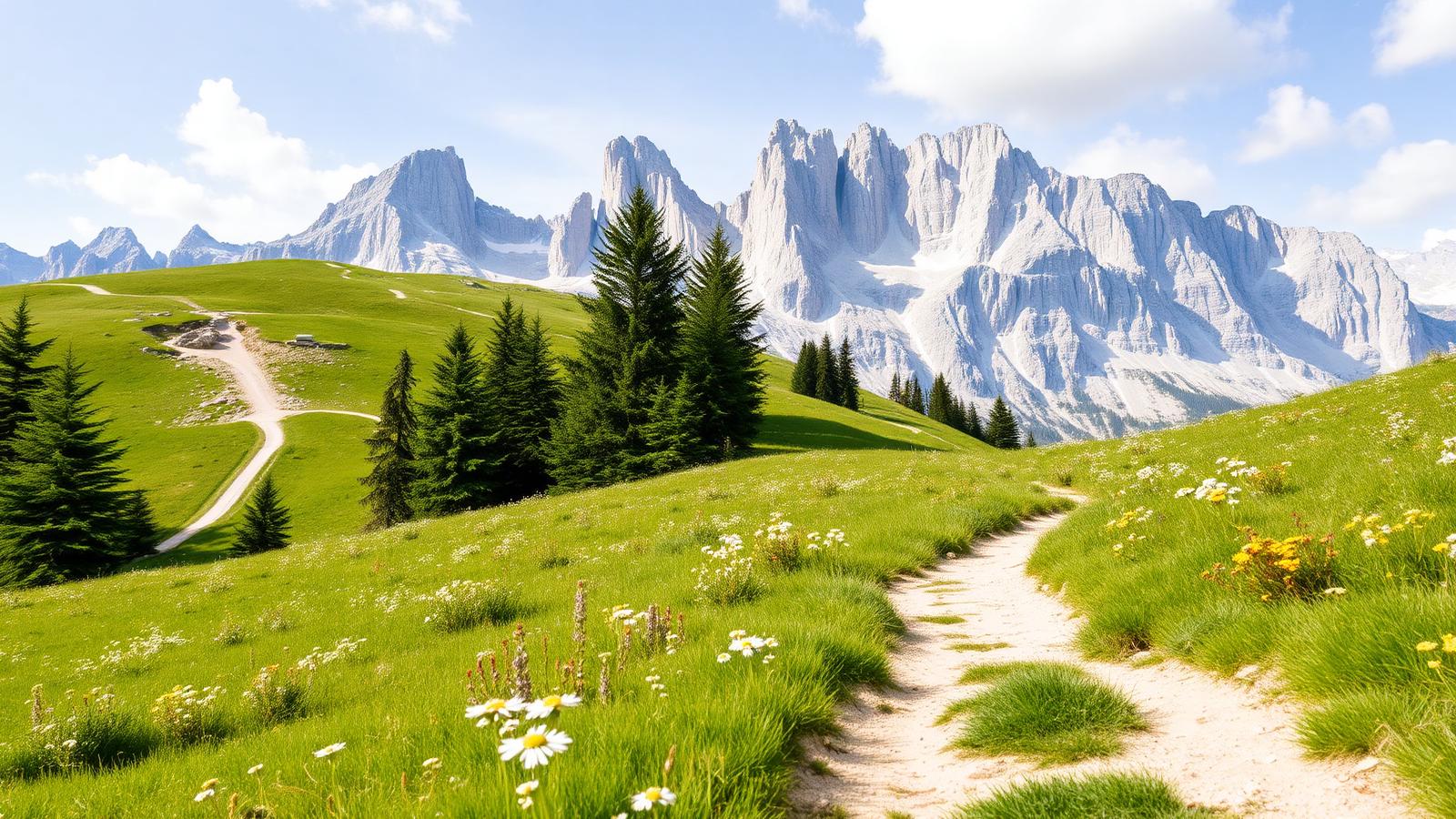
The lapse rate around Cortina runs close to 6°C per 1,000 m, so a rifugio at 2,400 m on Tofana or Nuvolau sits roughly 12–15°C cooler than the valley reading you checked that morning.
Mistakes I have watched people make
One warm layer beats three thin ones.
New boots break in on your trip; break them in at home.
Screenshot the last bus. Every time.
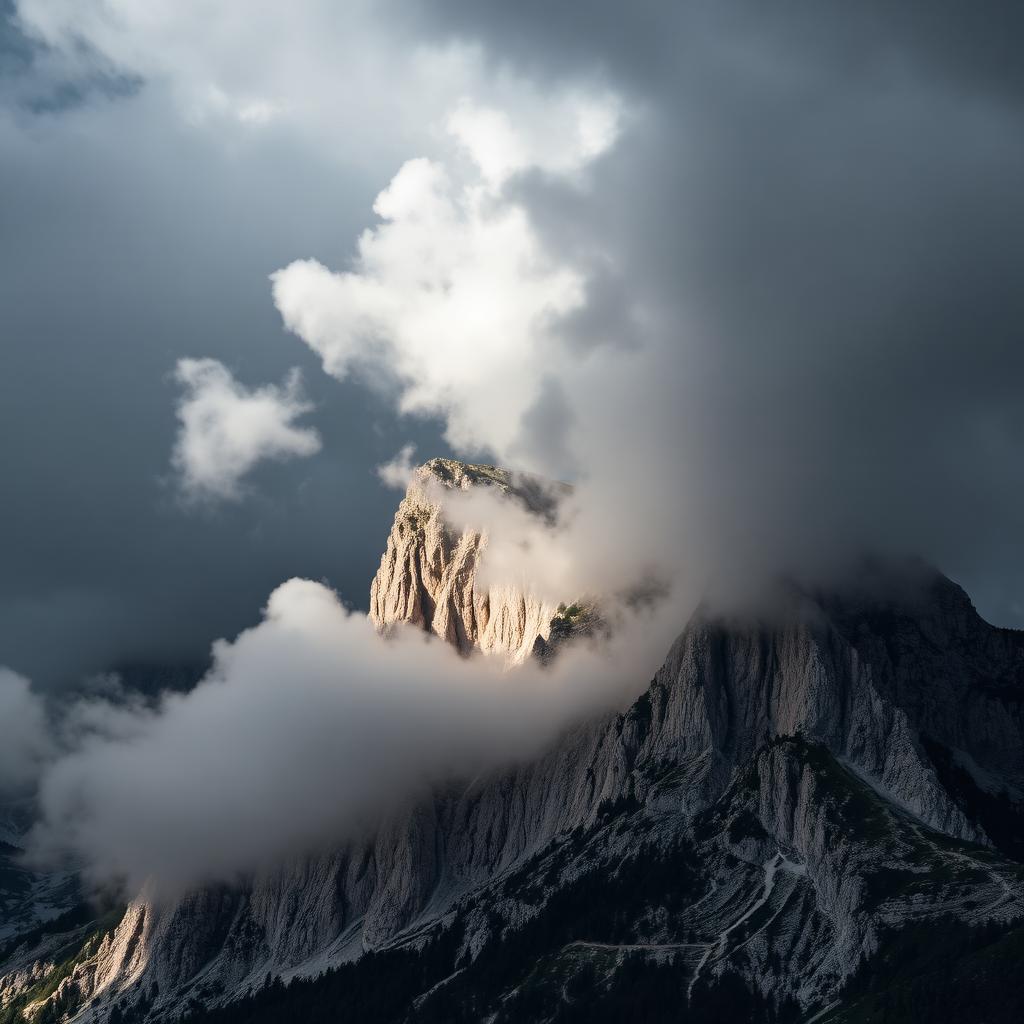
Packing only trail-runners because the forecast says sun: afternoon thunderstorms roll in most July days after 2 p.m. and wet limestone above 2,000 m gets genuinely slick without a grippier sole.
One small habit that changes the trip
I keep a 100 g merino buff and a pair of liner gloves in the daypack from June to September — they weigh nothing and save every sunrise start on Cinque Torri or Croda da Lago.
Why the valley forecast lies to you at altitude
Cortina's own weather station reads from the valley floor at 1,224 m, but most day hikes here top out between 2,200 m and 2,700 m. Applying the roughly 6°C-per-1,000-m lapse rate to a forecast showing 24°C in town means the Nuvolau ridge is closer to 12–14°C at the same hour, before wind chill.
Add typical Dolomites afternoon convection and a still, sunny 9 a.m. departure from Passo Giau can turn into a windy, cold, wet descent by 3 p.m. Checking ARPA Veneto's mountain-zone bulletin rather than just the Cortina town figure is the difference between a comfortable ridge walk and a shivery one.
Frequently asked questions
Do I need a proper waterproof jacket or is a windbreaker enough?
A windbreaker won't cut it once you're above Rifugio Averau in a storm cell — pack a taped-seam shell rated at least 10,000 mm.
Is it warm enough for shorts in the evenings?
In town yes through August; on any hike ending after 6 p.m. above 2,000 m, bring long layers because it drops fast once the sun is behind Tofana.
Do hotels in Cortina have air conditioning?
Most mid-range hotels don't bother — summer nights rarely exceed 18°C, so a fan is the norm rather than AC.
What's the one item people forget most?
Sunglasses with real UV protection; snow patches persist on north faces into July and reflected glare at altitude is stronger than most expect.
Should I pack for rain even in a dry-looking forecast week?
Yes — ARPA Veneto's Cortina station logs measurable rain on roughly half of July and August days, usually as short convective bursts.
Pack for the trip you have planned, not the trip you have imagined, and Cortina will feel effortless.
Sources & further reading
Plan the next piece
Build a trip, not a checklist.
Pair this guide with a realistic itinerary and a place to stay near the activities you care about most.