Cortina Weather by Month
From −6°C January mornings to 24°C July afternoons, here's what Cortina's ARPA Veneto station actually records month by month, and what it hides above 2,000 m.
Reviewed by the Cortina Compass desk
Last verified on foot: January 2026 How we research
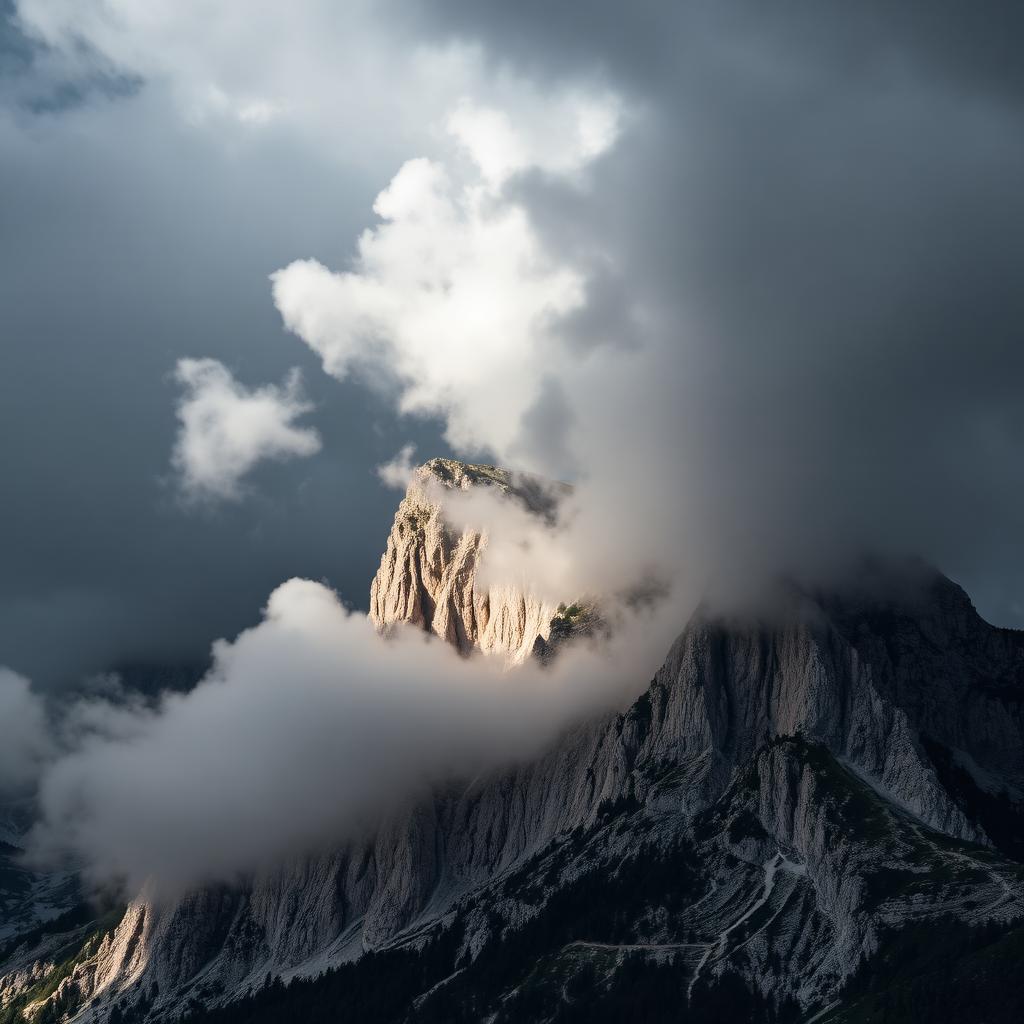
Mountain weather is a moving argument between valleys and ridges, and Cortina sits right in the middle of it. Here is cortina weather by month as I actually read it before a trip — the patterns that matter, the sources I trust, and the plans I always keep in reserve.
Read it as a briefing rather than a brochure: what works, what fails, and what I would do differently on a second visit to cortina weather by month.
How to actually read a Dolomites forecast
Cortina's official temperature readings come from a station at 1,224 m in the valley, which is useful for packing a jacket for Corso Italia but tells you surprisingly little about conditions on the Tofana or Faloria lift network a thousand metres higher.
Month-by-month verdict
January
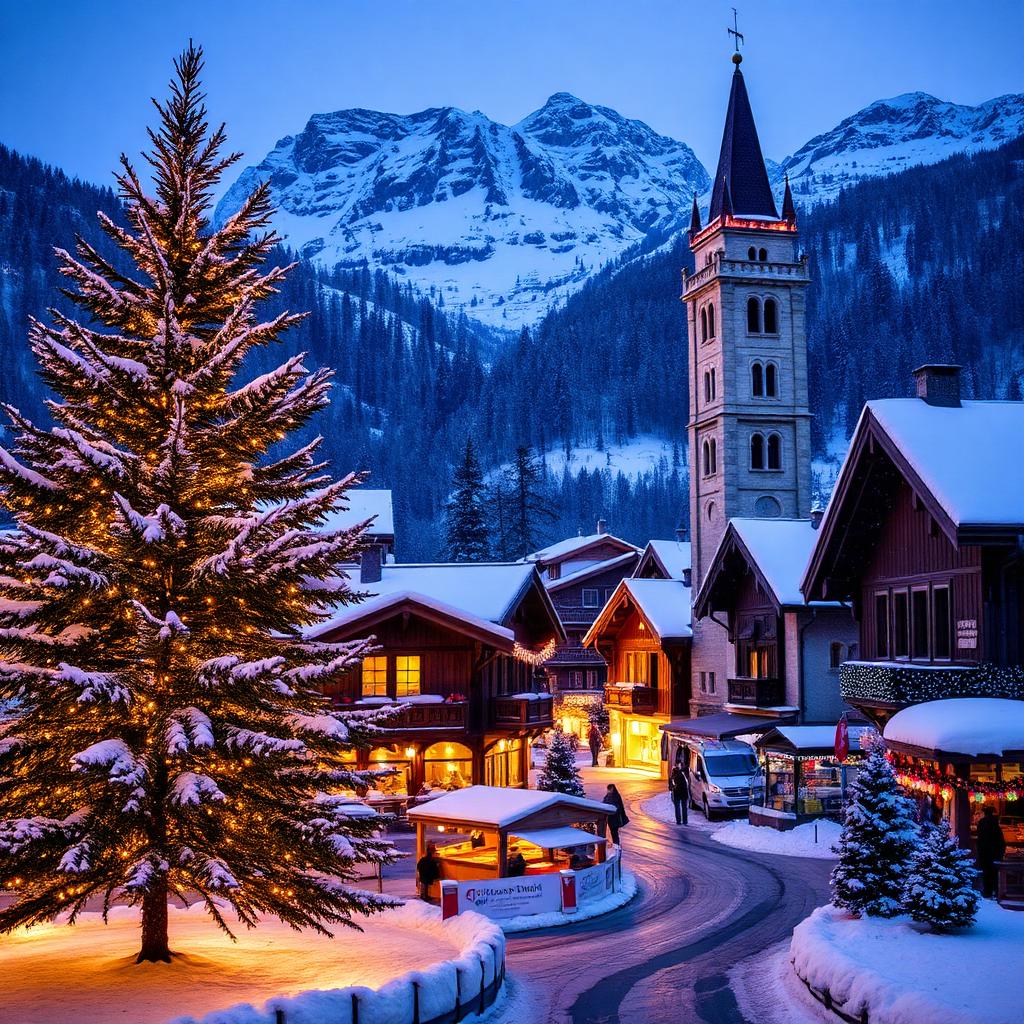
reliable cold and snow for skiing, −6°C to 2°C, shortest daylight window
April
shoulder season slush at low elevation, better for higher pass road trips than skiing
June
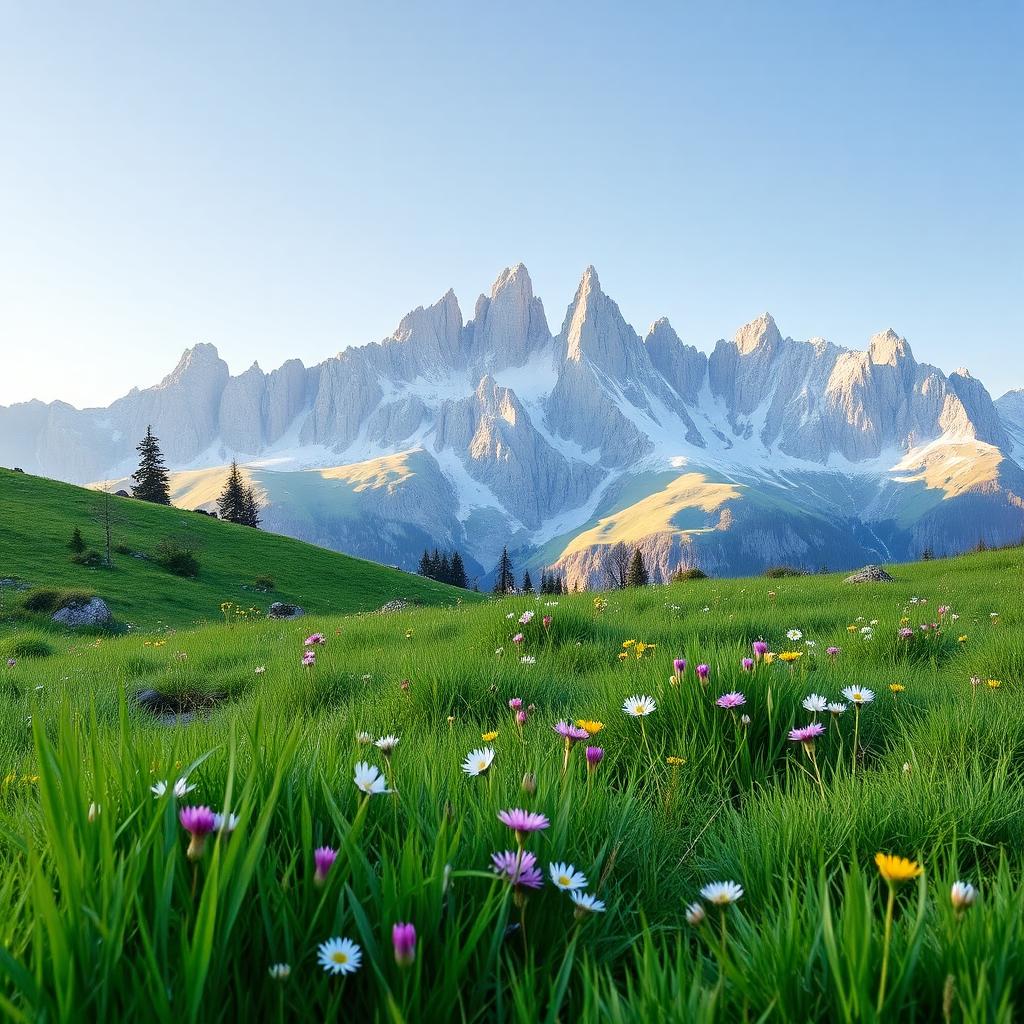
trails opening but snow patches linger above 2,300 m on north-facing routes
July
peak hiking month, warm days but near-daily risk of afternoon storms
August
wettest month by rainfall total, busiest for crowds and parking
October
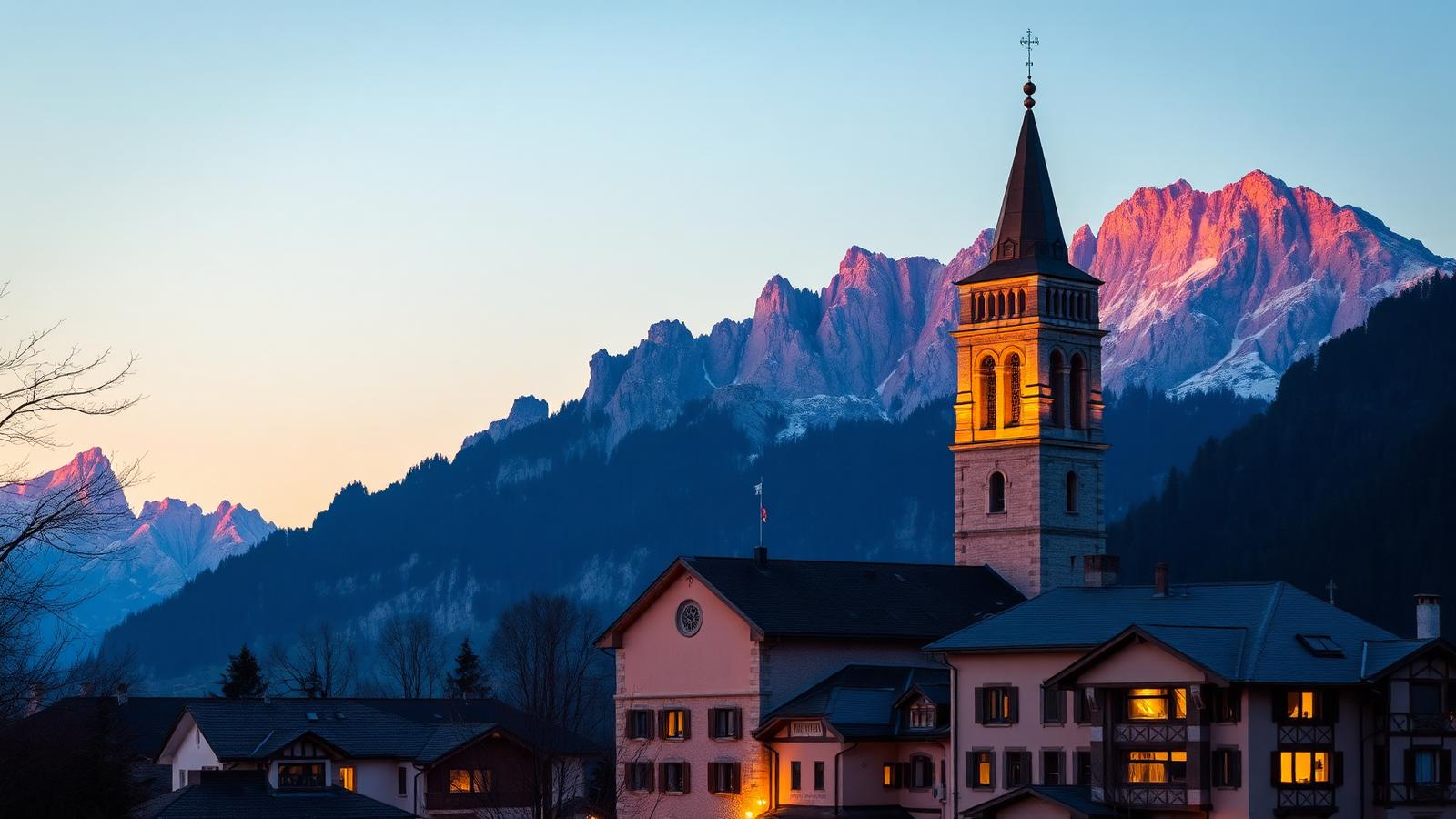
crisp, drier, best light for photography, many rifugi start closing mid-month
Monthly patterns at a glance
Storms, wind, and thunder
Summer thunderstorms build fast — start early, be off exposed ground by lunchtime, and take audible thunder seriously wherever you are. Föhn wind days are dry and warm but can close exposed cabins without warning.

Sources I trust
ARPAV Bollettino Dolomiti for the mountain view, MeteoTrentino for cross-checking, and a glance out of the window at 6am for the real answer. Combine at least two forecasts before making a call on a ridge day.
Plan B for bad-weather days
I treat the ARPA Veneto month-ahead outlook as a general trend only and check the day-before mountain bulletin instead — Dolomites weather here shifts meaningfully within a 24-hour window more often than flatland forecasts do.
Why the valley number misleads you at 2,300 m
The ARPA Veneto station feeding most Cortina weather apps sits at 1,224 m. A forecast reading 18°C there translates, using the standard lapse rate, to somewhere near 9°C at 2,700 m on the Tofana ridge before any wind chill is factored in — a meaningful difference for anyone planning a hike or a lift-served lunch at altitude.
Cloud behavior differs too: valley sun doesn't guarantee clear ridgelines, since Dolomites peaks generate their own convective cloud on warm afternoons independent of the town's forecast. Checking a mountain-specific bulletin, not just the town number, avoids the surprise storm at 2,500 m on an apparently sunny day.
Frequently asked questions
Which month has the most rainfall in Cortina?
August typically records the highest monthly rainfall total, around 110 mm, driven by frequent afternoon thunderstorms rather than sustained rain.
How cold does it get on the mountain compared to town?
Apply roughly 6°C per 1,000 m of elevation gain — a 5°C January town morning can mean close to −10°C wind chill at the top of the Tofana lift.
Is May a good month to visit?
It's a genuine shoulder month — lower rifugi may still be closed and higher trails can hold snow, so check specific trail and rifugi opening dates before planning a hike-heavy trip.
Does Cortina get more snow than nearby resorts because of altitude?
Not necessarily — the town sits at 1,224 m, lower than several comparable Alpine bases, so snow-making and higher-elevation lifts do more of the work for reliable ski conditions.
What's the driest month on average?
February and March tend to have lower precipitation totals than the summer months, though cold keeps most of it as snow rather than rain.
Weather is a variable, not an obstacle — plan around it, and Cortina keeps its side of the bargain.
Sources & further reading
Plan the next piece
Build a trip, not a checklist.
Pair this guide with a realistic itinerary and a place to stay near the activities you care about most.