First Time in Cortina: Everything You Need to Know
The orientation a first visit needs before booking anything: what's walkable, what needs a bus, what a coffee and a lift ticket actually cost here.
Reviewed by the Cortina Compass desk
Last verified on foot: April 2026 How we research
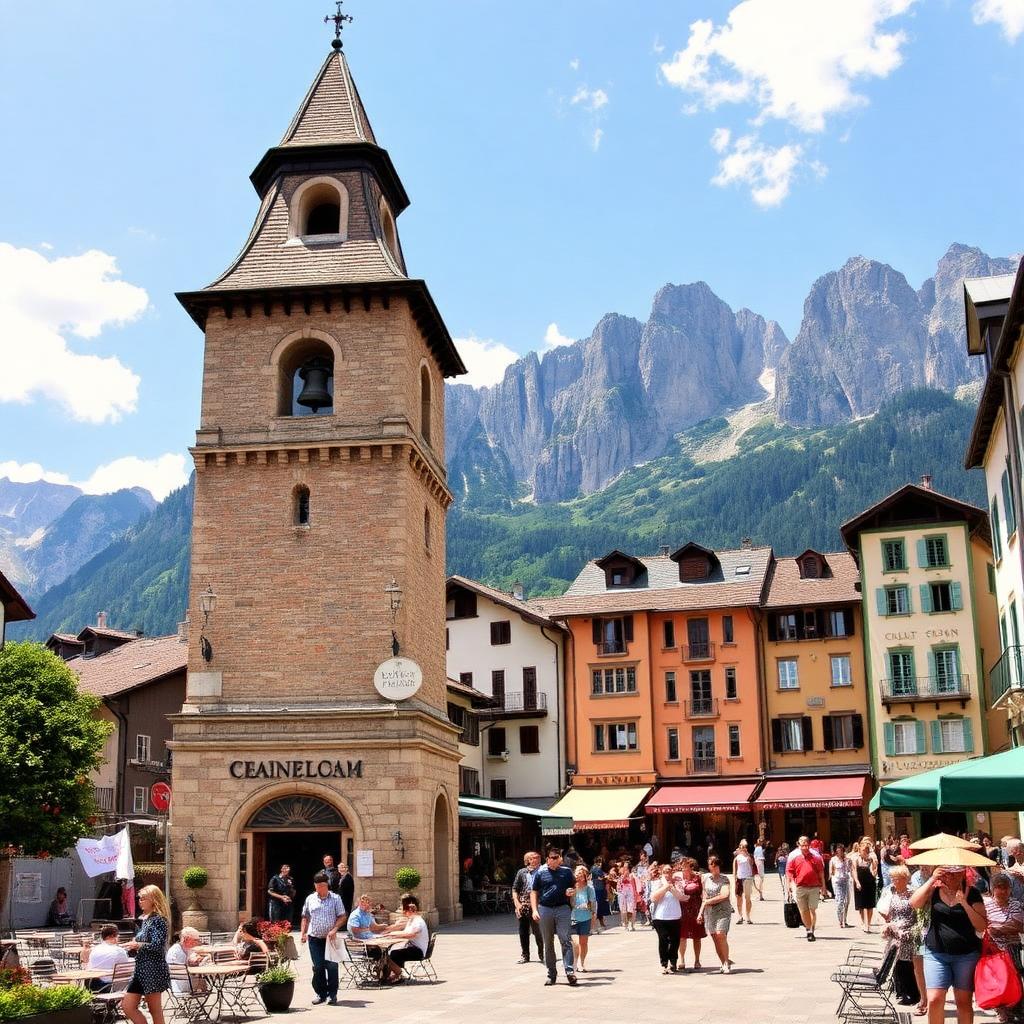
Most first trips here go slightly wrong in the same, fixable way: the mountains get planned in detail and the logistics get planned not at all. The skiing or the walking will look after itself. What decides whether the first forty-eight hours feel smooth is duller than that — where you sleep, how you get around, and how late the kitchens serve.
Start here
Book your coach seat and your hotel; leave everything else until you arrive. Lift tickets, hut lunches and bus fares can all be sorted on the morning, and being able to change the plan is worth more than being organised.
What a first visit should actually contain
Cinque Torri and the open-air museum
Chairlift from Bai de Dones, then an hour among restored First World War trenches. The one outing that explains the valley's history and geology at once.
An afternoon on Corso Italia
Not shopping — sitting. Order an aperitivo around 18:00 and watch the town change shift from ski boots to fur coats.
Rifugio Scoiattoli for lunch
Canederli and a view straight across to Tofana. Book a table if you arrive after 12:30 in August.
Freccia nel Cielo to Ra Valles
The fastest way to 2,470m without walking, and the clearest introduction to how the massifs sit around town.
First-visit basics
Six things nobody tells you
There is no train to Cortina. Shops shut for a long lunch. Dinner rarely starts before half past seven. Cards work almost everywhere, small huts and bus drivers being the exceptions. Distances that look tiny on a map take real time on mountain roads. And the last bus back from a lake is much earlier than you would like.
None of that is a problem once you know it. All of it is a problem if you find out at six in the evening on a Tuesday.
A realistic first day
Arrive, check in, then stay on foot. The Corso, the Basilica, a coffee somewhere with tables outside, and the short climb to the Regole cultural centre if the weather turns. That is a complete first day and it costs almost nothing.
Keep the cable cars and the lakes for day two, once you know which bus line stops nearest your door.
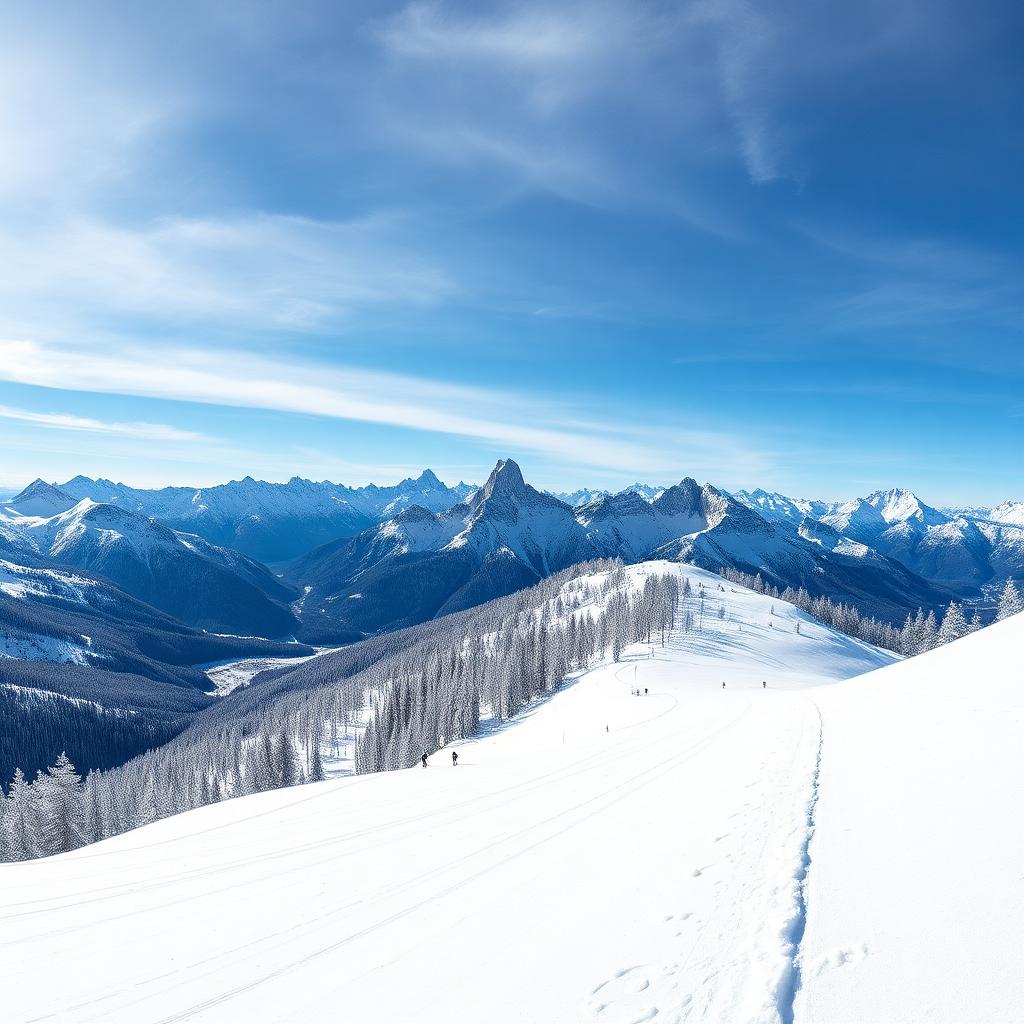
Where to stay on a first visit
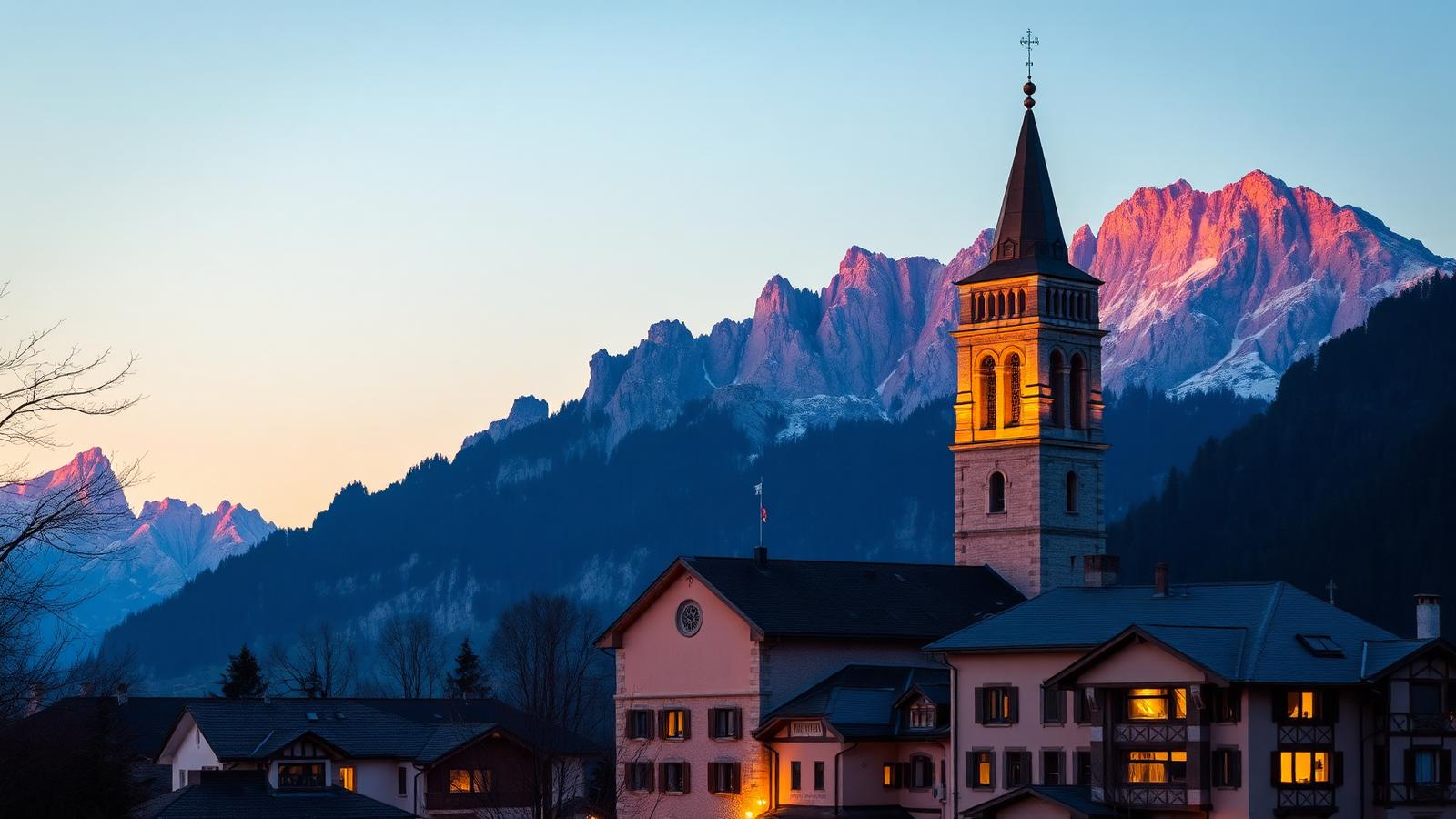
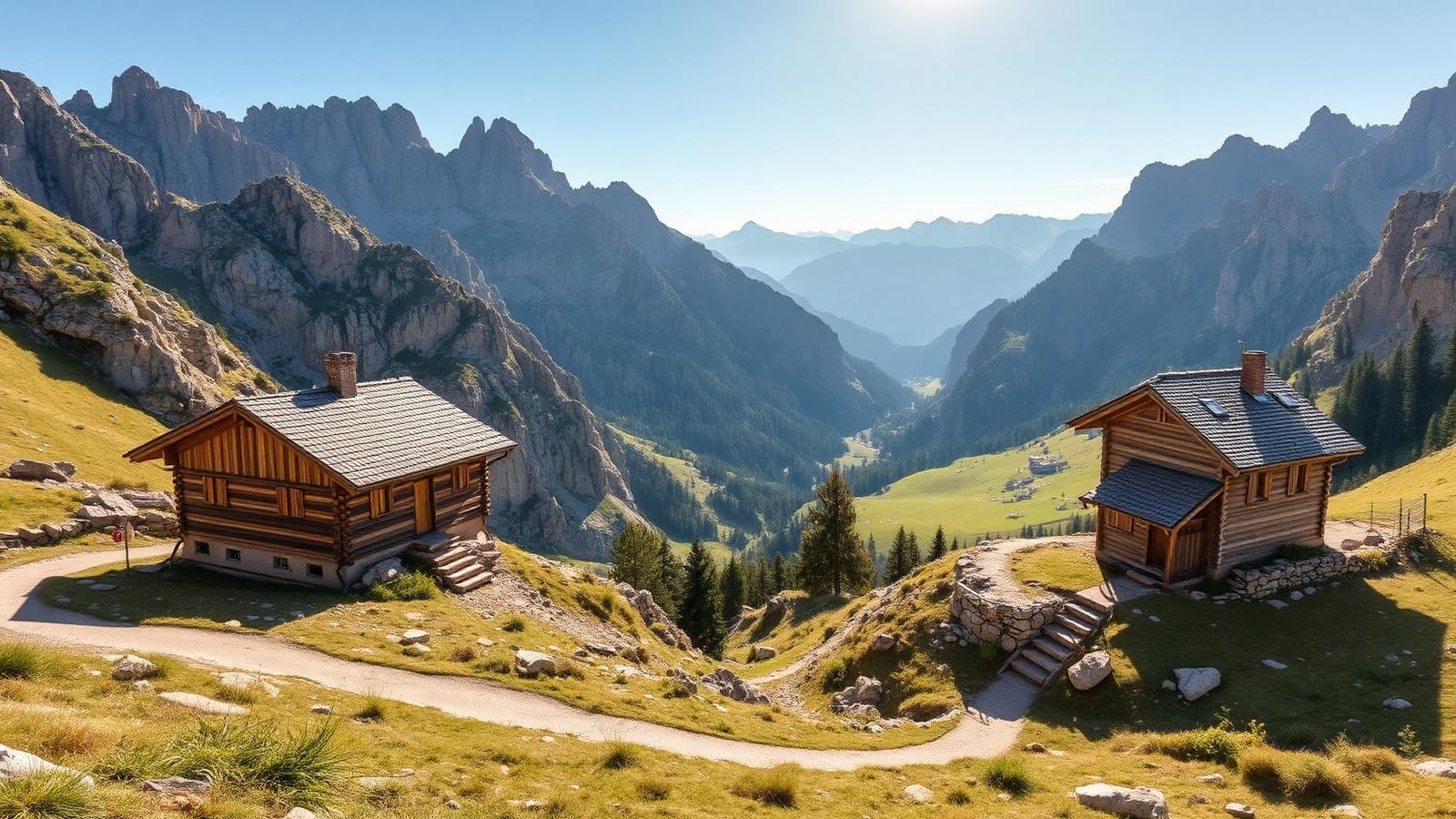
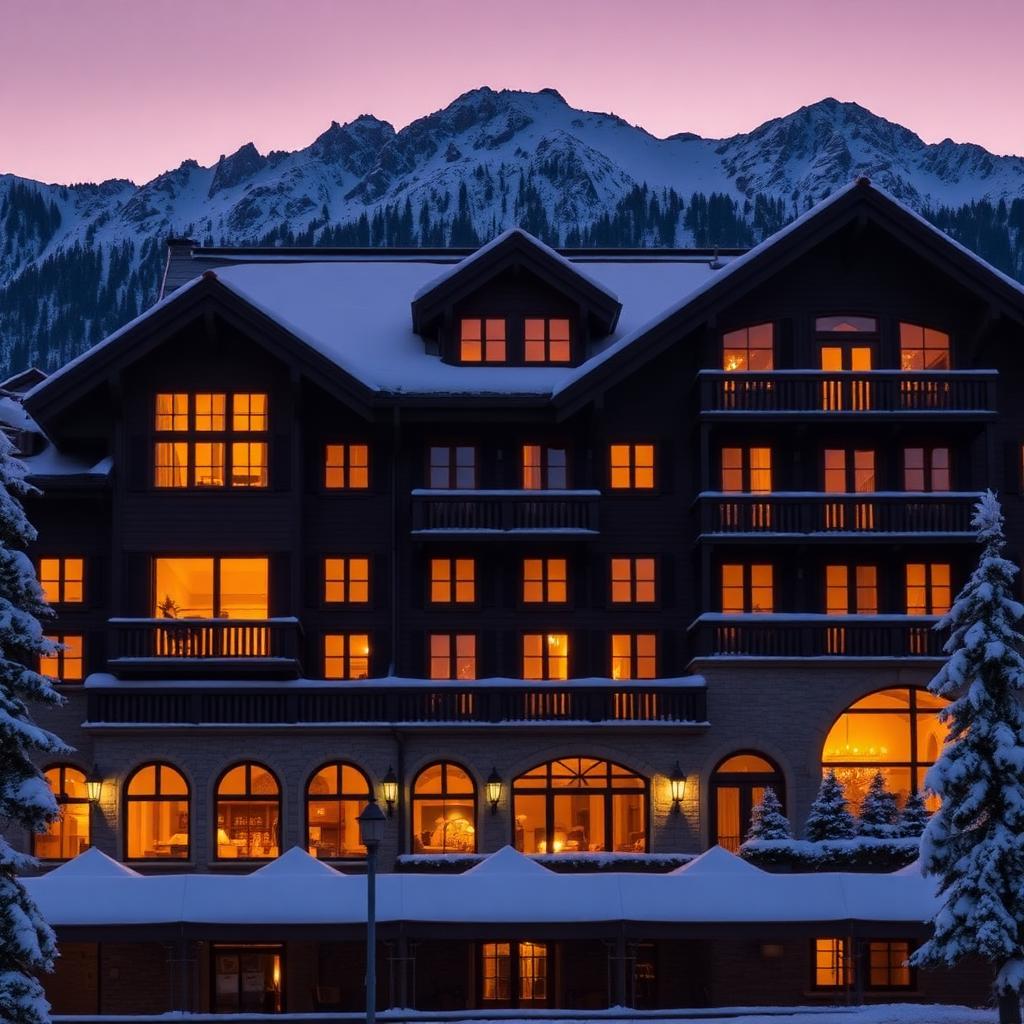
Central beats scenic on a first visit. A room with a mountain view fifteen minutes out of town sounds better than it lives, because every evening ends with a decision about how to get back.
The one ticket worth buying on day one
My call
Buy a DolomitiBus multi-ride card (€13.50 for 10 rides) on day one at the bus station kiosk rather than paying single fares — you'll use at least six rides in three days without noticing.
Money, hours, habits
€30–50 a day covers parking machines, small huts and tips.
Long lunch closure, late reopening, quiet Sundays out of season.
Tables turn late; 19:30 is early by local standards.
Alternate ambitious outdoor days with gentle valley time.
First-timer traps
Overreaching on day one — a big walk, a lake and a shopping afternoon — is the most common. The second is treating the valley as flat: everything involves more ascent, or more driving, than the distance suggests.
A realistic first day
Land in the morning, check in, and spend the afternoon on foot: Corso Italia, the Basilica, a coffee at Pasticceria Lovat, and the short walk up to Ciasa de ra Regoles for the Rimoldi collection if the weather turns. That's a full, unhurried first day without touching a lift or a bus.
Save the cable cars and lake visits for day two once you've got your bearings and know which DolomitiBus line stops nearest your hotel — trying to do both on arrival day is where most first-timers run out of daylight.
Frequently asked questions
What should I book before arriving?
Your coach seat (Cortina Express or ATVO) and, in July-August, your hotel — everything else, including lift tickets and rifugio lunches, can be sorted on the day.
Is English widely spoken?
Yes in hotels, lift stations and most restaurants; Corso Italia shopkeepers switch to English readily, though a few phrases of Italian go further with older locals.
How much cash should I carry?
€40-60 a day is enough — cards work almost everywhere, but small rifugi and the SAD bus driver sometimes prefer cash.
Where do first-timers most often overreach?
Trying to do a big hike and Corso Italia shopping and a lake visit all in one day — distances by bus add up faster than the map suggests.
Is Cortina walkable at night?
Very — the centre is small, well-lit and safe, though outlying hotels beyond a 20-minute walk are better reached by the last DolomitiBus or a short taxi.
A good first visit here is deliberately underbooked. Two proper outings, one slow town day, and an evening on the Corso watching the place change shift is plenty for three nights.
Sources & further reading
Plan the next piece
Build a trip, not a checklist.
Pair this guide with a realistic itinerary and a place to stay near the activities you care about most.