The Complete Cortina d'Ampezzo Travel Guide
Everything a first visit to Cortina actually needs: how to arrive, where the town centre sits, what a day costs, and which parts of the myth are true.
Reviewed by the Cortina Compass desk
Last verified on foot: March 2026 How we research
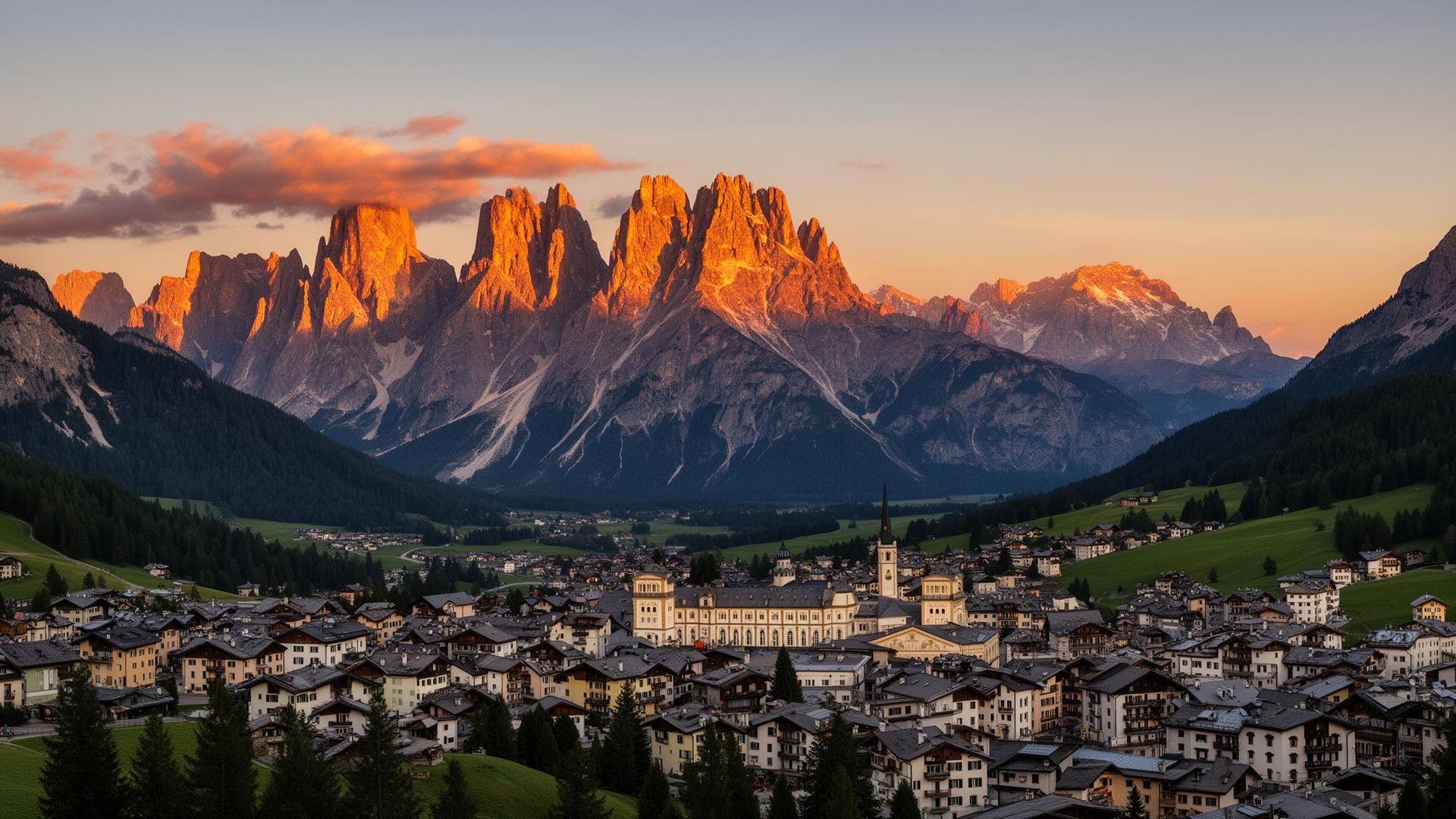
Cortina is smaller than its reputation. The whole historic centre fits into a fifteen-minute walk, and almost everything people travel here for sits outside it — up a cable car, along a valley road, at the end of a bus line. Get that relationship straight before you book anything and the rest of the planning becomes simple.
If you only read one paragraph
Give the valley three nights, base yourself within walking distance of Corso Italia, and treat a car as optional rather than essential. That single set of decisions removes most of the friction people complain about afterwards.
If you can choose your dates freely, early June or the second half of September are the two windows where lifts and huts are open but the town still feels like a town.
Where to start
Corso Italia at 09:00
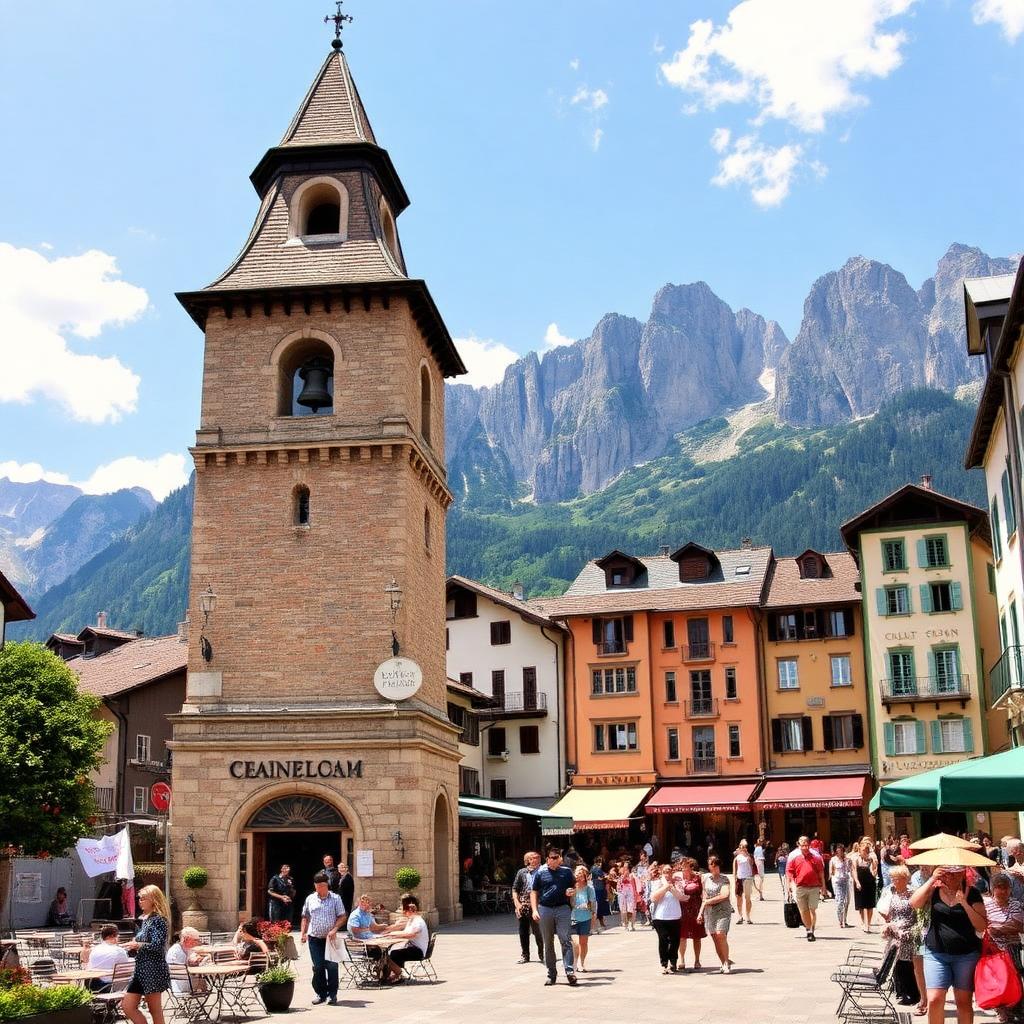
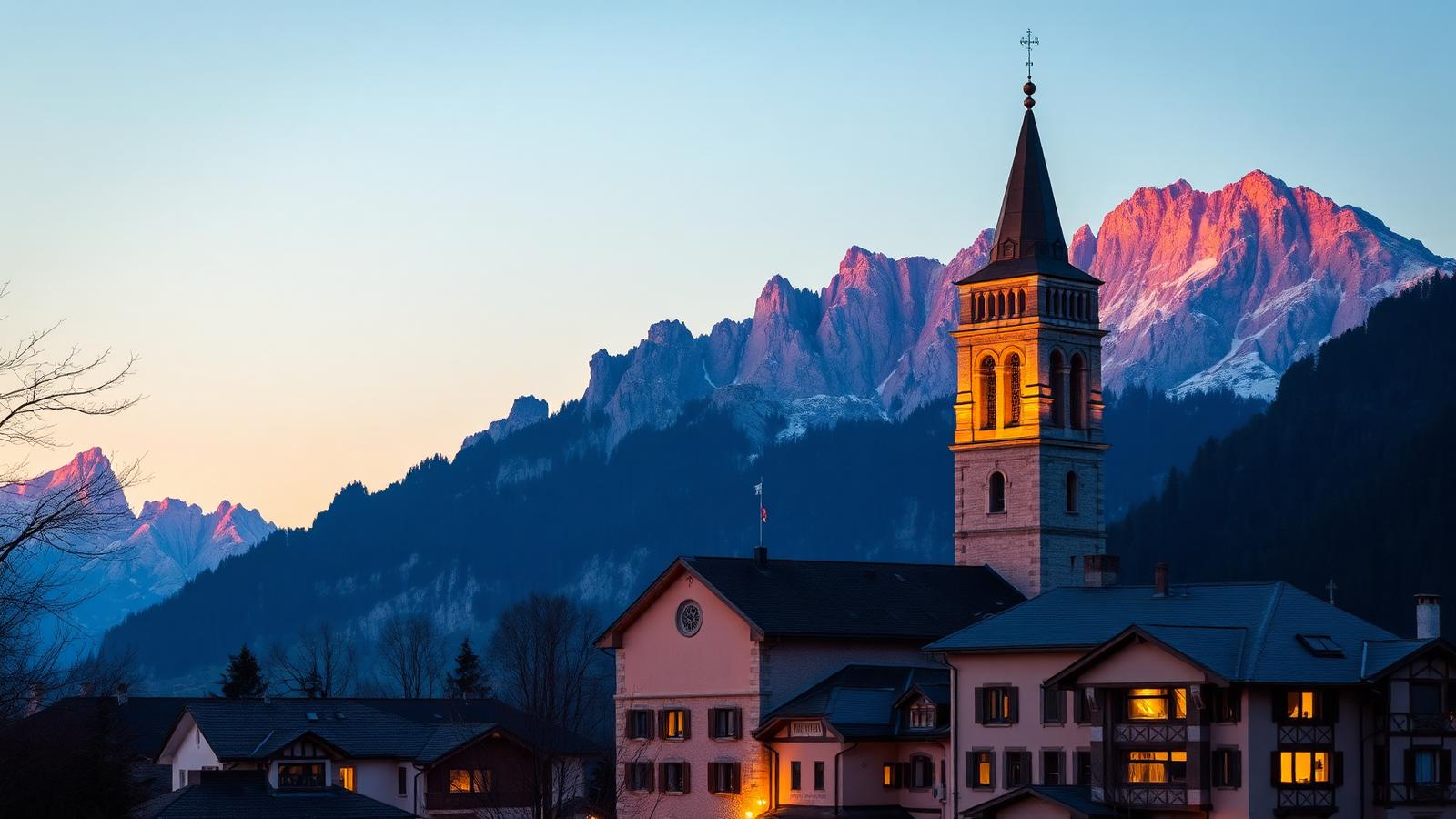
shops opening, shutters up, the Campanile catching first sun
Basilica dei Santi Filippo e Giacomo
free entry, five-minute stop, the town's actual centre point
Museo Paleontologico Rinaldo Zardini
€3, small but genuinely local — Dolomite fossils found on nearby ridgelines
Cooperativa di Cortina
the department store locals actually shop at, good for last-minute kit
Pasticceria Lovat
espresso and a coffee cream cake before the first bus out of town
The numbers that shape a trip
How the valley is laid out
Cortina sits in a bowl at 1,224m with Tofane on one side, Cristallo and Sorapis on the other. There is no railway station, which surprises people every summer. Coaches from Venice and cars on the SS51 are how everyone arrives.
Corso Italia is pedestrianised, and the traffic zone around it is enforced by camera rather than by goodwill. Park once, then walk.
Arriving, sleeping, moving
The rhythm that works: fix the immovable things first — travel in, beds, any big reservation — and leave the daily plan loose. Weather here changes the order of a trip more often than it cancels anything.
One ambitious day, then one gentler one. Do that alternation for three or four days and you come home rested instead of relieved.
Three ways to run the same week
A car-free trip is entirely workable and cheaper than people expect, as long as you accept bus timetables rather than fighting them. A car buys dawn starts and the far-flung valleys, and costs you parking and a slightly worse dinner situation.
Somewhere in between — coach in, car hired for one day only — is what I would actually do on a first visit.
What I would book first
My call
Book your Cortina Express seat for the first or last departure of the day — the midday coaches run via more stops and can add 40 minutes to the same 2h15 journey.
What it costs, roughly
€30–50 a day covers parking machines, small huts and tips.
Long lunch closure, late reopening, quiet Sundays out of season.
Tables turn late; 19:30 is early by local standards.
Alternate ambitious outdoor days with gentle valley time.
The four things that spoil trips here
Stacking a famous lake, a serious walk and a booked dinner into one day is the classic error. Something gives, usually the dinner or the mood.
The other three: driving into the pedestrian zone, assuming a lift will still be running on the way back down, and booking a bargain hotel far enough out that you spend the savings on taxis.
The town in one sweep
Corso Italia runs roughly 600m from Largo delle Poste to the Basilica, with the Campanile visible from nearly every point along it — it's the spine everything else in town hangs off. Ciasa de ra Regoles, the cultural centre near the church, houses the Rimoldi modern art collection and rotates temporary shows worth a look even on a short stay.
Everything municipal — tourist office, the Regole cultural offices, the museums — sits within two blocks of the Corso, which is why a single morning on foot genuinely covers the historic centre before you head for the lifts or lakes that fill the rest of a trip.
Frequently asked questions
How many days does Cortina town itself need?
One full day covers Corso Italia, the museums and the Campanile comfortably — the rest of your trip should go to the valley's lakes and lifts.
Is Cortina expensive compared to other Dolomites bases?
Yes, noticeably more than Ortisei or Alleghe for hotels, though bus fares, museum entry and rifugio lunches are priced similarly across the region.
What's the closest airport?
Venice Marco Polo, about 160km and roughly 2h15 by Cortina Express or car; Treviso and Innsbruck are both viable alternatives with their own coach or rail connections.
Do I need a car for a week-long trip?
Not for the town or most lakes and lifts, which DolomitiBus and SAD reach, but a car earns its cost if you're doing Tre Cime, Braies or a Sellaronda circuit independently.
When is Cortina at its quietest?
Early June and late September — lifts and rifugi are open, Corso Italia is uncrowded, and hotel rates drop 20-30% from August peak.
Cortina rewards attention more than ambition. Pick fewer things, do them properly, and leave one afternoon completely unplanned — that afternoon is usually the one people describe when they get home.
Sources & further reading
Plan the next piece
Build a trip, not a checklist.
Pair this guide with a realistic itinerary and a place to stay near the activities you care about most.