Getting Around Cortina Without a Car
A full week in Cortina without renting a car is realistic — here's the DolomitiBus and SAD network that actually gets you to the lifts and lakes.
Reviewed by the Cortina Compass desk
Last verified on foot: May 2026 How we research
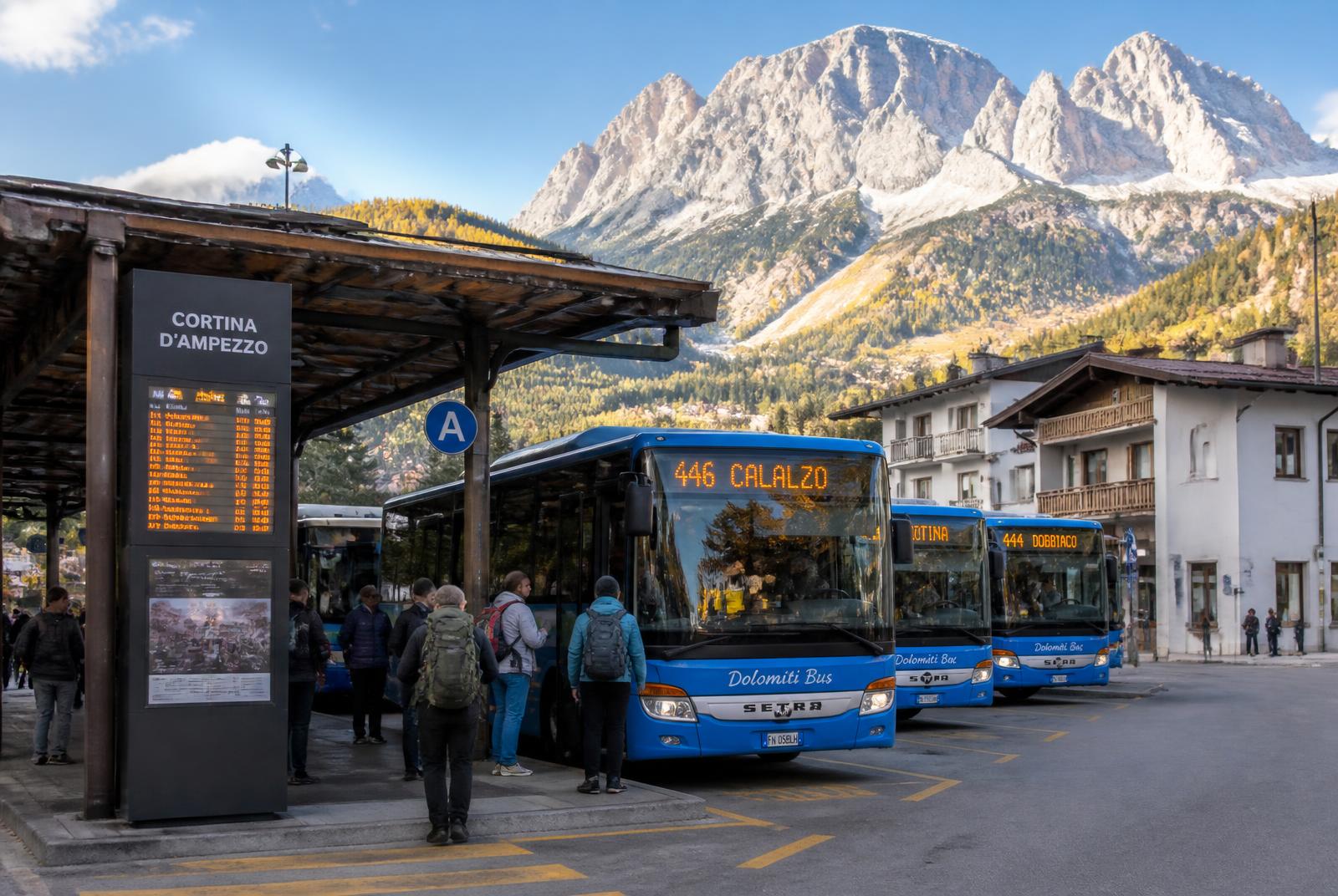
A car-free week here works better than most people assume, and it fails in one specific way: dawn starts. Buses cover the town, the main lifts and the popular lakes perfectly well. What they do not do is get you to a trailhead at half past six.
Can you do it? Yes, mostly
Stay within walking distance of the bus station and you can reach the lifts, the valley walks and the main lakes on public transport all week. Buy a multi-ride card on day one rather than fumbling for single fares.
Car-free days that genuinely work
Line 30/31 to Passo Tre Croci
Twenty minutes from the bus station and the trailhead for Sorapis — the single most useful bus in the valley.
The Ex-Ferrovia cycle path north to Fiames
Flat, shaded, on the old railway bed. Rent a bike in town and you have half a day without touching a road.
Freccia nel Cielo from the town centre
The only major lift you can reach on foot from Corso Italia, which makes it the default high-mountain day without a car.
Cortina Express day return to Dobbiaco
Connects to the Val Pusteria train line, opening Braies and Bressanone without a hire car.
Fares and passes
How the bus network actually behaves
Two things matter more than the route map: services thin out sharply outside the summer and winter seasons, and the last departure from popular spots is often mid-afternoon rather than early evening.
Screenshot the timetable. Signal at trailheads is unreliable, and the printed sheet at the stop is not always the current one.
A week without a car
Build days around one bus out and one bus back, with a generous margin at the end. If a walk finishes early, you get a coffee. If it runs long, you still get home.
The town itself needs no transport at all. Almost everything within Cortina is a ten-minute walk, and the two ends of the Corso are five minutes apart.
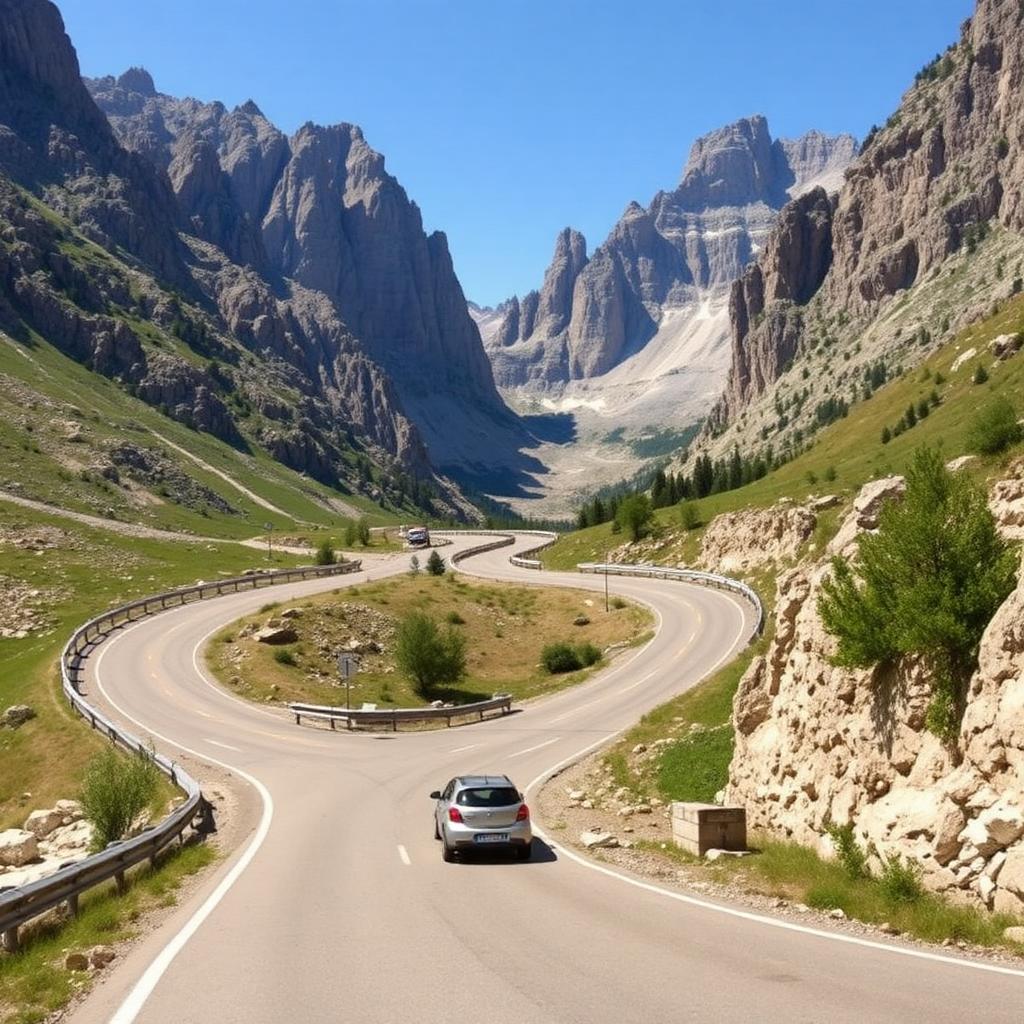
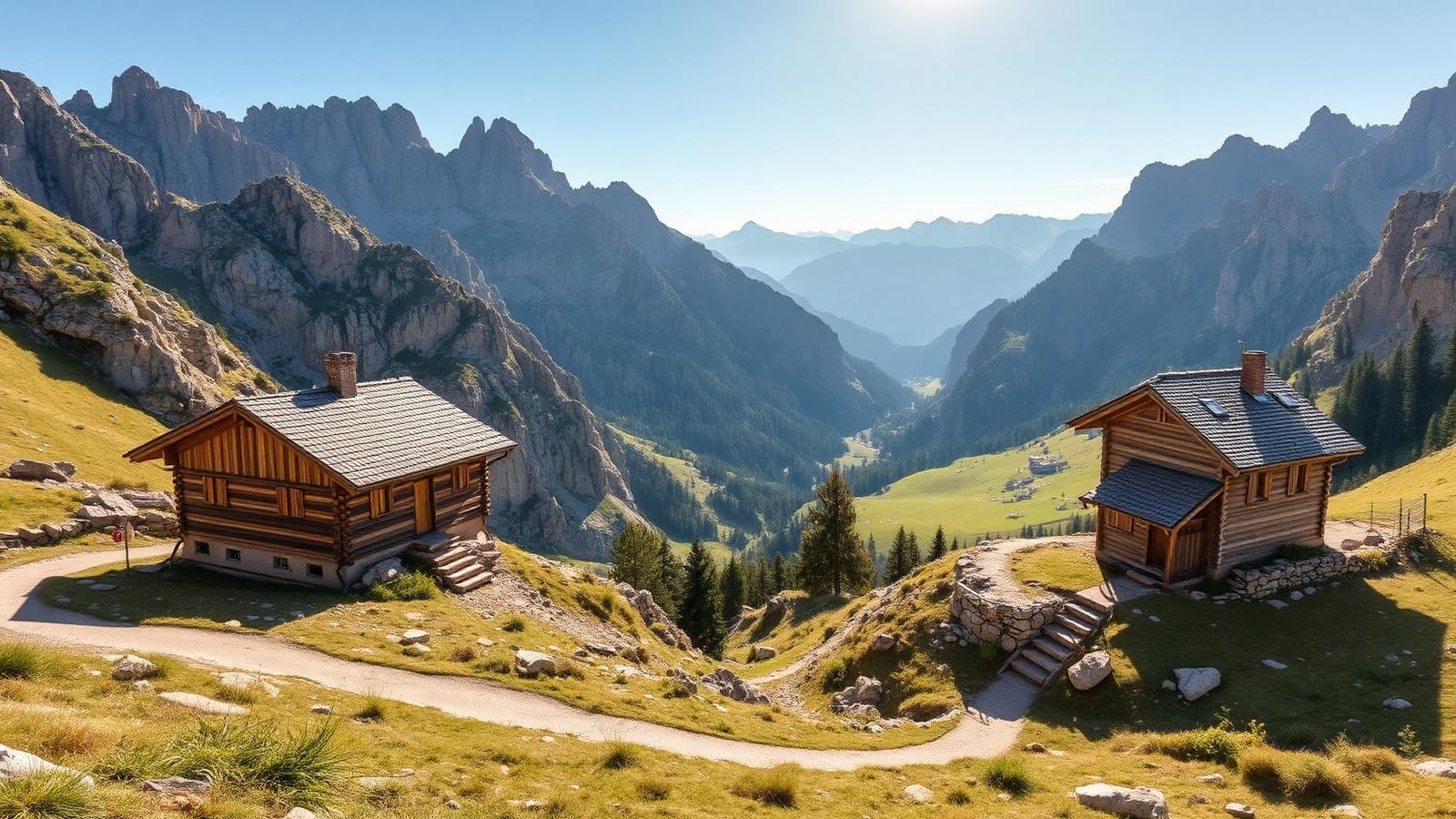
Buses, lifts, taxis, feet
Lifts count as transport here, not just as attractions — a cable car saves hundreds of metres of forest ascent and gets you to high paths that would otherwise need a full morning.
Taxis exist and are not cheap. I would budget for one or two rather than plan around them.
The one thing I would do differently
My call
Buy the DolomitiBus day pass (€4) rather than singles the moment you plan two or more rides — a return trip to Passo Falzarego alone costs more than the pass.
What a car-free week costs
€30–50 a day covers parking machines, small huts and tips.
Long lunch closure, late reopening, quiet Sundays out of season.
Tables turn late; 19:30 is early by local standards.
Alternate ambitious outdoor days with gentle valley time.
Where the plan breaks
Assuming a shoulder-season timetable matches the summer one, and staying somewhere that looks close on a map but sits above the town on a road with three buses a day.
A carless week's real rhythm
Days built around a single bus line work best: one day out to Passo Tre Croci for Sorapis, another to Passo Falzarego for Cinque Torri and Lagazuoi, a third spent entirely on foot in town. Trying to combine two distant bus routes in one day usually means an hour of standing at stops rather than walking trails.
Check the paper timetable posted at each stop rather than trusting memory — DolomitiBus and SAD both revise frequencies between low, shoulder and high season, and a route that runs hourly in August can drop to three services a day by late September.
Frequently asked questions
Can I reach Tre Cime without a car?
Yes — DolomitiBus and Cortina Express both run seasonal shuttles to Rifugio Auronzo in July-August, avoiding the €30 toll road entirely.
Does the bus network run in winter?
A reduced ski-season timetable operates, with more frequent departures aligned to first-lift and last-lift times on the main ski routes.
How do I pay on board?
Cash to the driver or a ticket bought beforehand at the bus station kiosk or tobacconist; contactless card payment on board is not universal, so carry small notes.
Is it worth renting a car for just one day?
Often yes, if you're doing Lago di Braies or a Sellaronda loop in a single push — otherwise the bus network handles the valley's core sights.
How far in advance do buses run before lift opening?
The first Passo Falzarego bus typically lands about 20 minutes before the Cinque Torri chairlift opens, timed deliberately for hikers.
Car-free here is a slower trip, not a smaller one. You lose the sunrise starts and gain a week without thinking about parking, which for a lot of people is the better trade.
Sources & further reading
Plan the next piece
Build a trip, not a checklist.
Pair this guide with a realistic itinerary and a place to stay near the activities you care about most.