Best Time to Visit Cortina d'Ampezzo
July hiking, January skiing, or the quiet June-before-season window — the right month in Cortina depends on which mountain you actually want open.
Reviewed by the Cortina Compass desk
Last verified on foot: January 2026 How we research
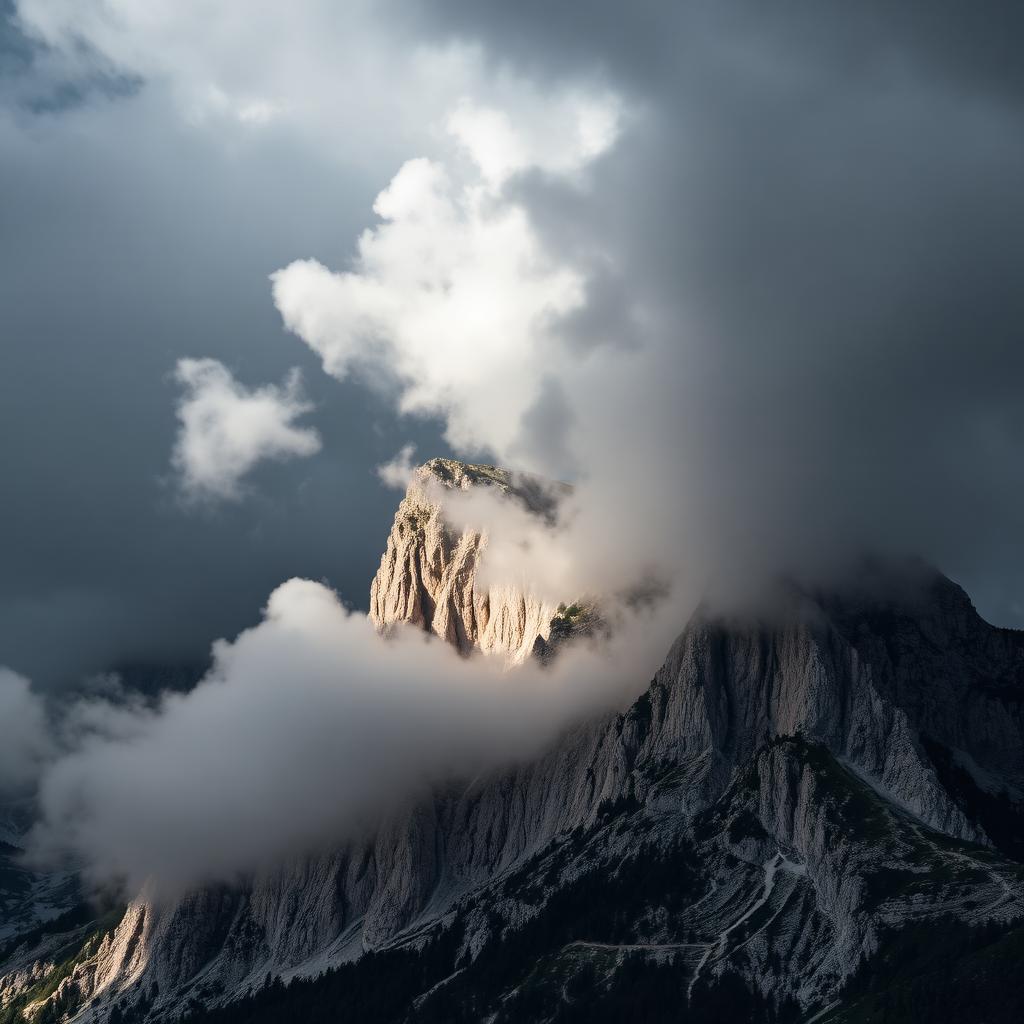
Mountain weather is a moving argument between valleys and ridges, and Cortina sits right in the middle of it. Here is best time to visit cortina d'ampezzo as I actually read it before a trip — the patterns that matter, the sources I trust, and the plans I always keep in reserve.
Read it as a briefing rather than a brochure: what works, what fails, and what I would do differently on a second visit to best time to visit cortina d'ampezzo.
How to actually read a Dolomites forecast
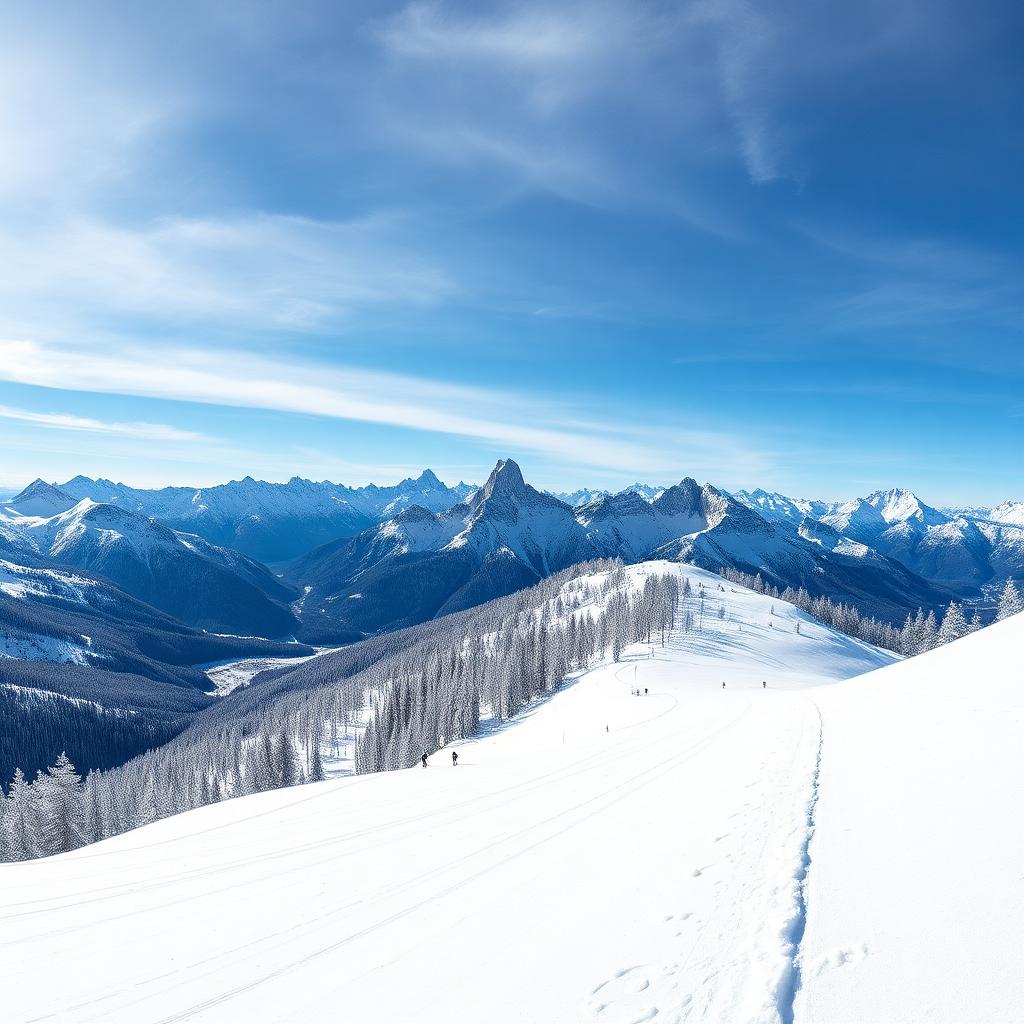
There isn't a single best month for Cortina; there's a best month for skiing (January–February), a best month for hiking without crowds (June or September), and a worst month for both, which is the shoulder gap most visitors accidentally book.
Best month for what you're actually doing
January
best for reliable skiing, coldest, shortest daylight
June (second half)
best value hiking window, trails open, crowds still building
July–August
peak season overall, everything open but busiest and priciest
September
quieter hiking with stable weather before rifugi start closing
October
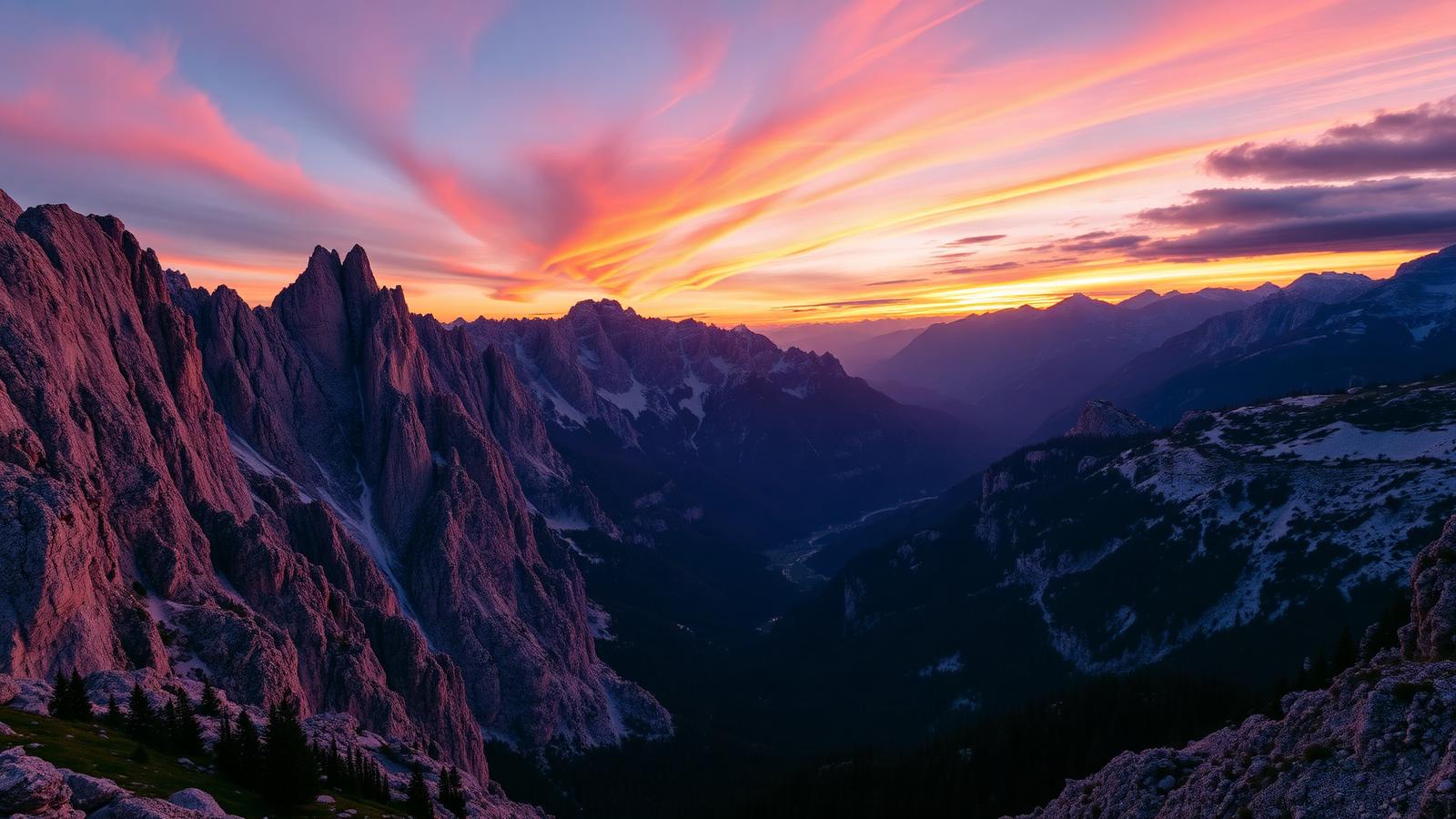
best for photography and clear light, most rifugi closed by late month
May
worst window for hiking-heavy trips, many high trails and rifugi still shut
Monthly patterns at a glance
Storms, wind, and thunder
Summer thunderstorms build fast — start early, be off exposed ground by lunchtime, and take audible thunder seriously wherever you are. Föhn wind days are dry and warm but can close exposed cabins without warning.
Sources I trust
ARPAV Bollettino Dolomiti for the mountain view, MeteoTrentino for cross-checking, and a glance out of the window at 6am for the real answer. Combine at least two forecasts before making a call on a ridge day.
Plan B for bad-weather days
I send first-time hikers to the second half of June specifically — trails are open, crowds haven't peaked yet the way they do in August, and hotel rates sit below the July–August spike.
The shoulder-season closure calendar
Cortina runs on two separate operating seasons with a real gap between them. Winter lift operations generally wind down in late March or early April as snow retreats from lower runs, while summer hiking infrastructure — staffed rifugi, the extended bus timetable, chairlifts repurposed for hikers — doesn't fully switch on until mid-to-late June.
That leaves April and much of May as a genuine off-season: some hotels close for maintenance, several rifugi remain shuttered, and higher trails can still carry snow into early June on north-facing sections like the approach to Croda da Lago. Anyone visiting in this window should plan around town-based activities and lower-elevation walks rather than assuming full trail access.
Frequently asked questions
Is July or August better for hiking?
July has slightly fewer crowds and comparable weather to August, which is both the wettest and busiest month by rainfall and visitor numbers.
When do most rifugi close for the season?
Many start closing in mid-to-late September, with most shut by early-to-mid October depending on snowfall, so late-season hikers should verify specific rifugi opening dates directly.
Is a shoulder-season trip ever worth it?
June's second half works well since trails and rifugi are largely open with lighter crowds; late April and May are riskier since higher trails can still hold snow.
What's the best month for photography?
October, for clearer air and lower-angle light, though it means catching the tail end of rifugi season before facilities close for winter.
Does visiting in December work for skiing?
Early December is inconsistent — the lift network is often still building out full terrain, and January through February is a more reliable bet for complete mountain access.
Weather is a variable, not an obstacle — plan around it, and Cortina keeps its side of the bargain.
Sources & further reading
Plan the next piece
Build a trip, not a checklist.
Pair this guide with a realistic itinerary and a place to stay near the activities you care about most.