Cortina in September
September is the local's month in Cortina: full lift and rifugio service for the first three weeks, cooling nights, and none of August's parking or queue problems.
Reviewed by the Cortina Compass desk
Last verified on foot: October 2025 How we research
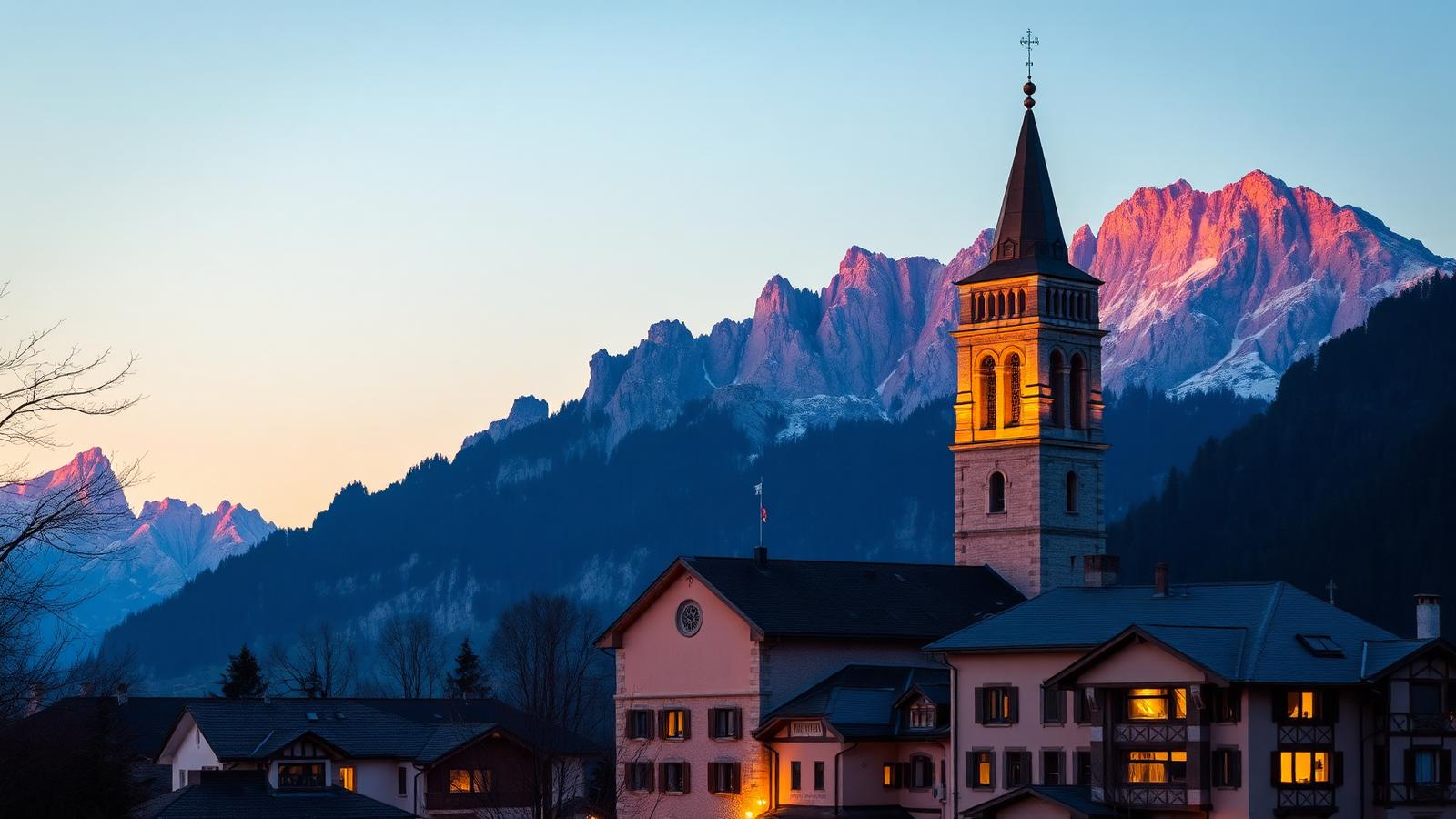
Cortina in each season is essentially a different town. This is a plain account of cortina in september — what is actually open, what looks best, where you will still find quiet, and the small logistical shifts that separate a good visit from a frustrating one.
Where numbers appear — times, prices, distances — they are the ones I would plan against myself, not the optimistic version printed on signboards.
What this season actually feels like
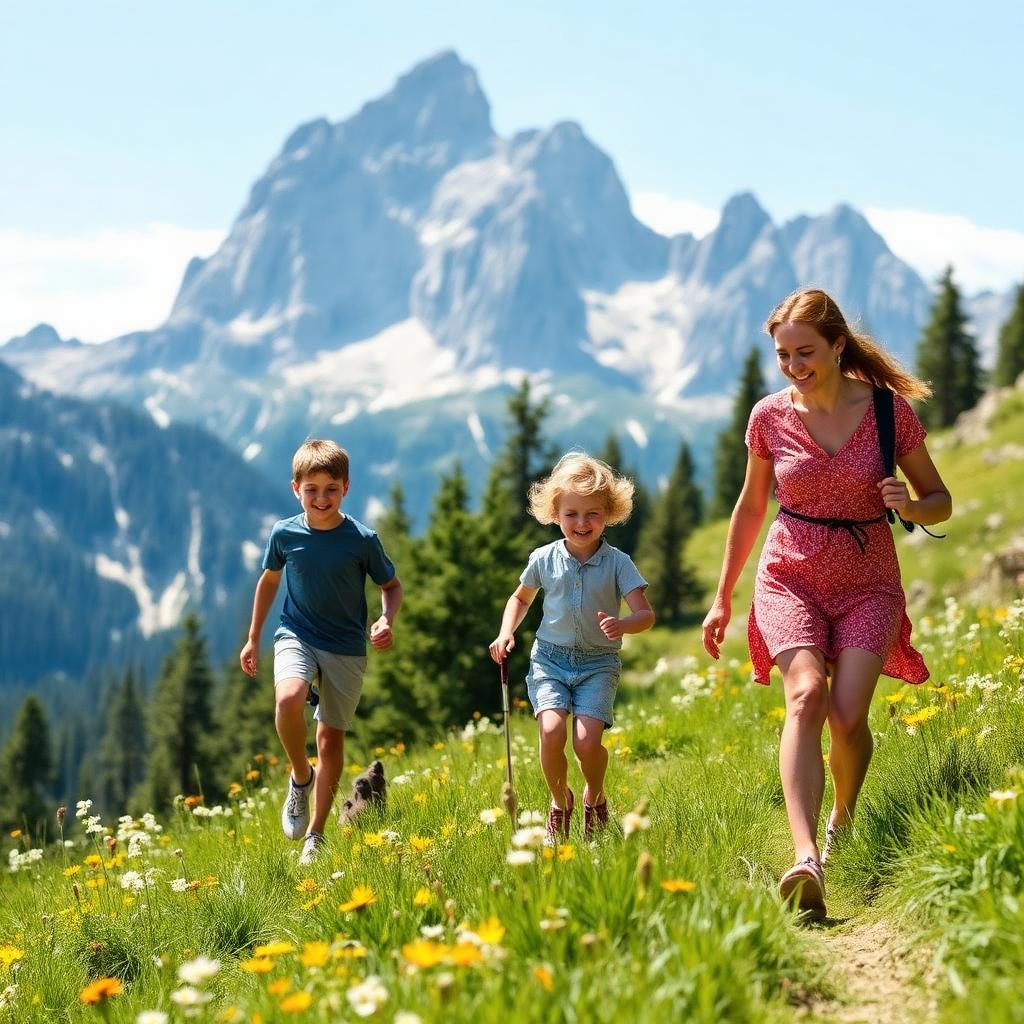
September is widely regarded by locals as Cortina's best month — the infrastructure of summer (lifts, rifugi, buses) is still fully running for the first three weeks, but the crowds and the heat of July-August have both dropped off.
The September window
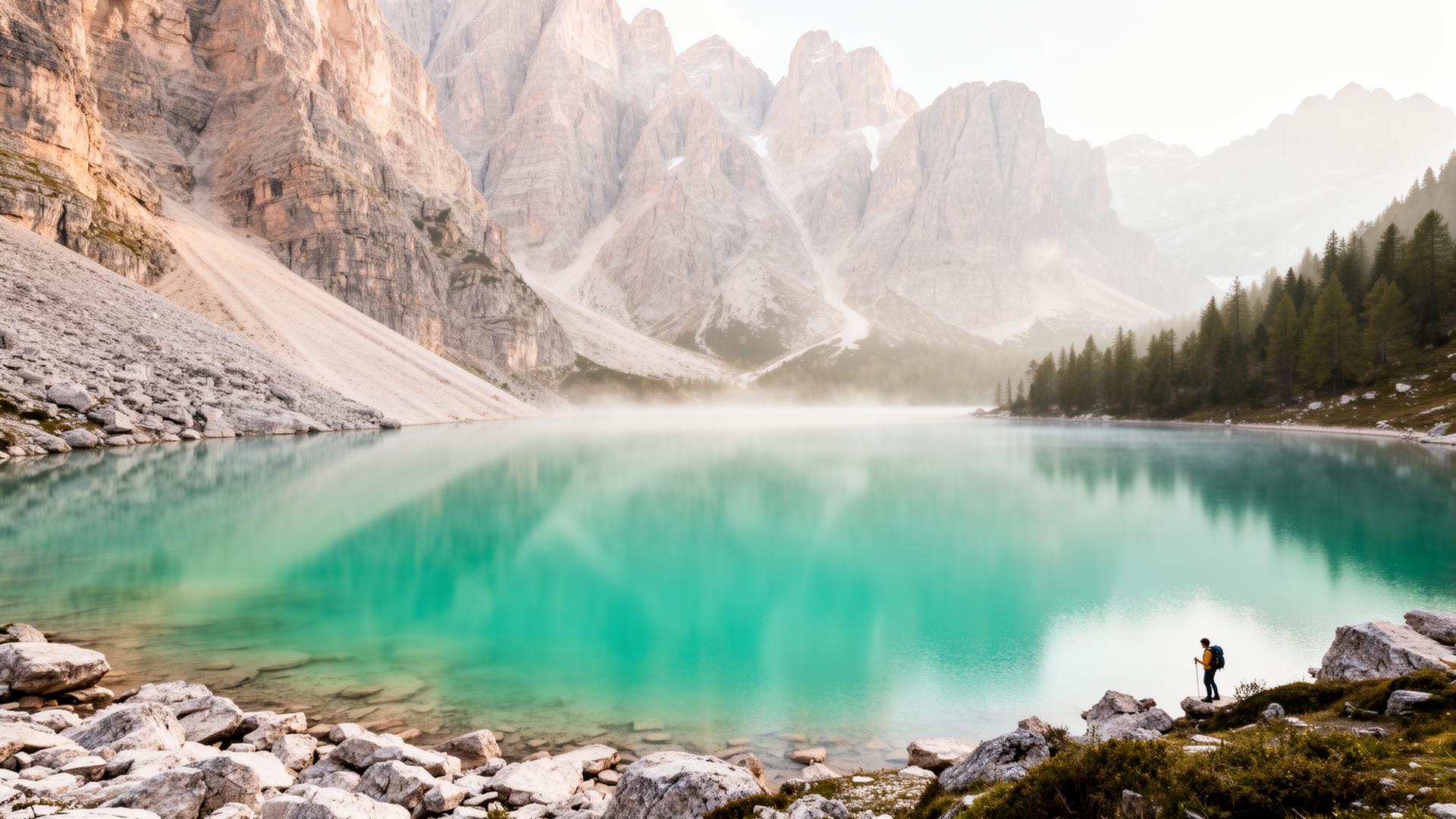
Lago di Sorapis without the July queue
Same turquoise water, a fraction of the parking pressure at Passo Tre Croci.
Full-service rifugio overnight on Alta Via 1
First three weeks give complete hut access with far fewer bunks booked out.
Sunrise from Lagazuoi's rifugio terrace
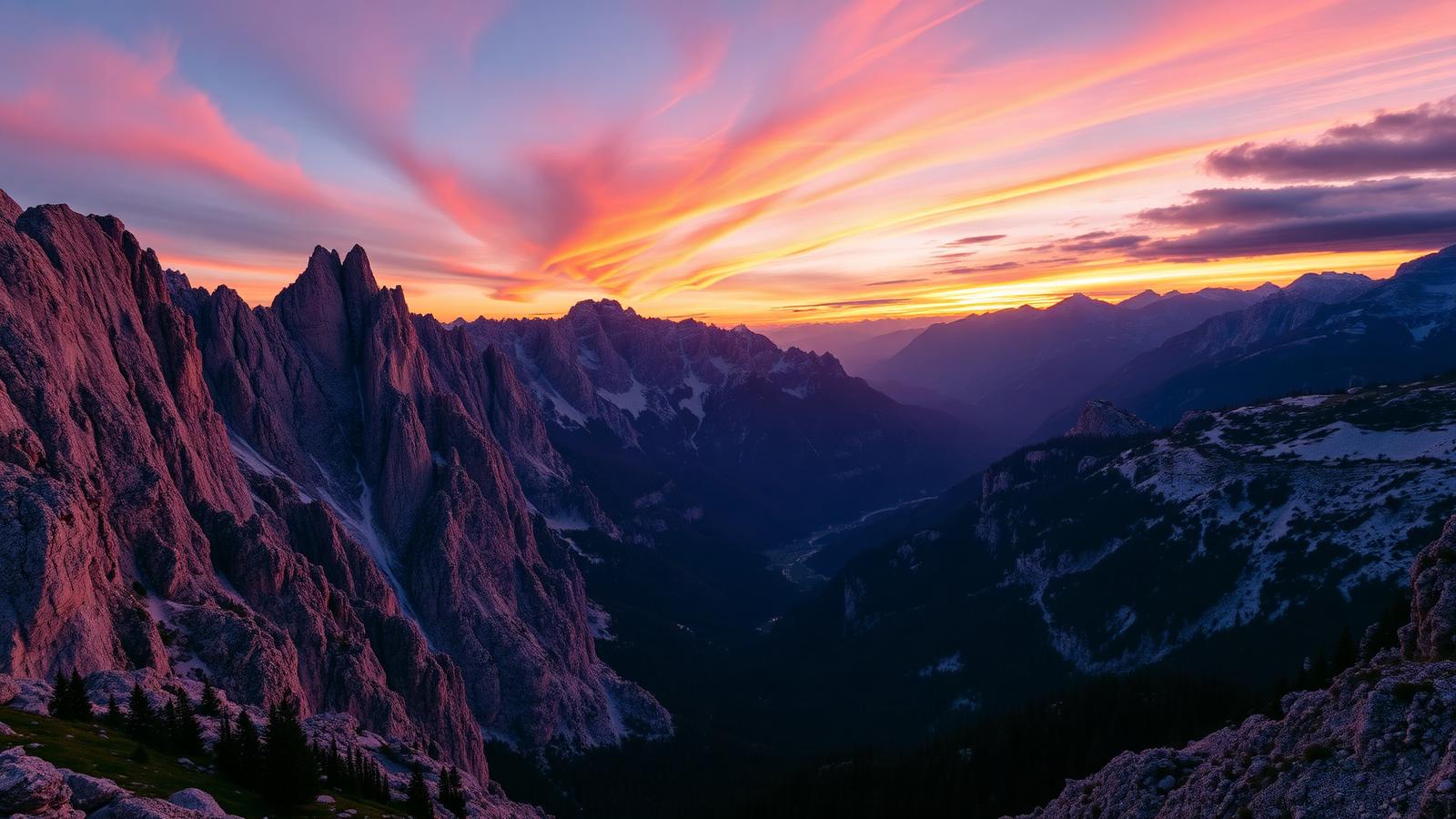
Cooler, clearer air in September often gives crisper sunrise light than the hazier summer months.
Cinque Torri chairlift with short queues
The open-air museum loop without the tour-group bottleneck at the Scoiattoli lift.
Early larch colour on the highest slopes
The very top of the treeline can start turning gold in the last week of September.
What is open, what is not
Season transitions in Cortina are real. Lifts, rifugi, and even some hotels open and close on their own calendars. Do not assume the summer bus network is running in May or that a rifugio is serving lunch in mid-October. Confirm every link individually.
Highlights worth planning around
Each season has a handful of anchor experiences that are best in this window and rarely as good outside it. Structure the trip around one or two of them and let the rest of the days fill in around good weather.
Weather patterns and what to pack
Most rifugi hold their full-service season until around 20 September before beginning the staggered autumn closures, so the first three weeks of the month give you the complete summer trail network with a fraction of the August foot traffic.
Crowds and pricing
A local's rhythm this month
Book any rifugio overnight for the first two weeks of September rather than the third — service is identical, but you'll beat both the tail end of summer holidaymakers and the early closures that start creeping in after the 15th.
The three-week window explained
Cortina's tourism board and most rifugio operators treat 1-20 September as an extension of the summer season rather than shoulder season — lift hours, bus frequency and hut kitchens all run close to their August settings. It's only after the 20th that closures begin appearing on rifugio calendars in earnest.
That makes the first half of the month arguably the single best fortnight of the year for serious hiking: daytime temperatures sit in a comfortable range, afternoon storms are less frequent than in August, and trailhead parking that overflowed all summer suddenly has spare spaces by 10am.
Frequently asked questions
Why do locals say September is the best month?
Because full summer infrastructure — lifts, rifugi, bus frequency — is still running for most of the month while the July-August crowds have already left.
Is the weather reliable in September?
Generally more stable than August's afternoon-thunderstorm pattern, with clearer, drier high-pressure spells common in the first half of the month.
When do rifugi start closing in September?
Around the 20th is the typical target, though a few close a little earlier and some linger into early October on weekends.
Is it too late for a swim at the lakes?
The lakes are cold year-round and swimming is largely discouraged or banned at the main ones regardless of month, so September changes little there.
Is September good value compared to August?
Yes, hotel rates typically ease noticeably once the last week of August passes, without any real drop in trail or lift access until closer to the 20th.
Pick the season to match the trip you want, not the photos you have seen — Cortina rewards the honest choice.
Sources & further reading
Plan the next piece
Build a trip, not a checklist.
Pair this guide with a realistic itinerary and a place to stay near the activities you care about most.