Cortina in Autumn
Mid-September through October, when the crowds thin, rifugi begin closing in stages, and the larch forests turn gold before lifts shut again for the shoulder season.
Reviewed by the Cortina Compass desk
Last verified on foot: October 2025 How we research
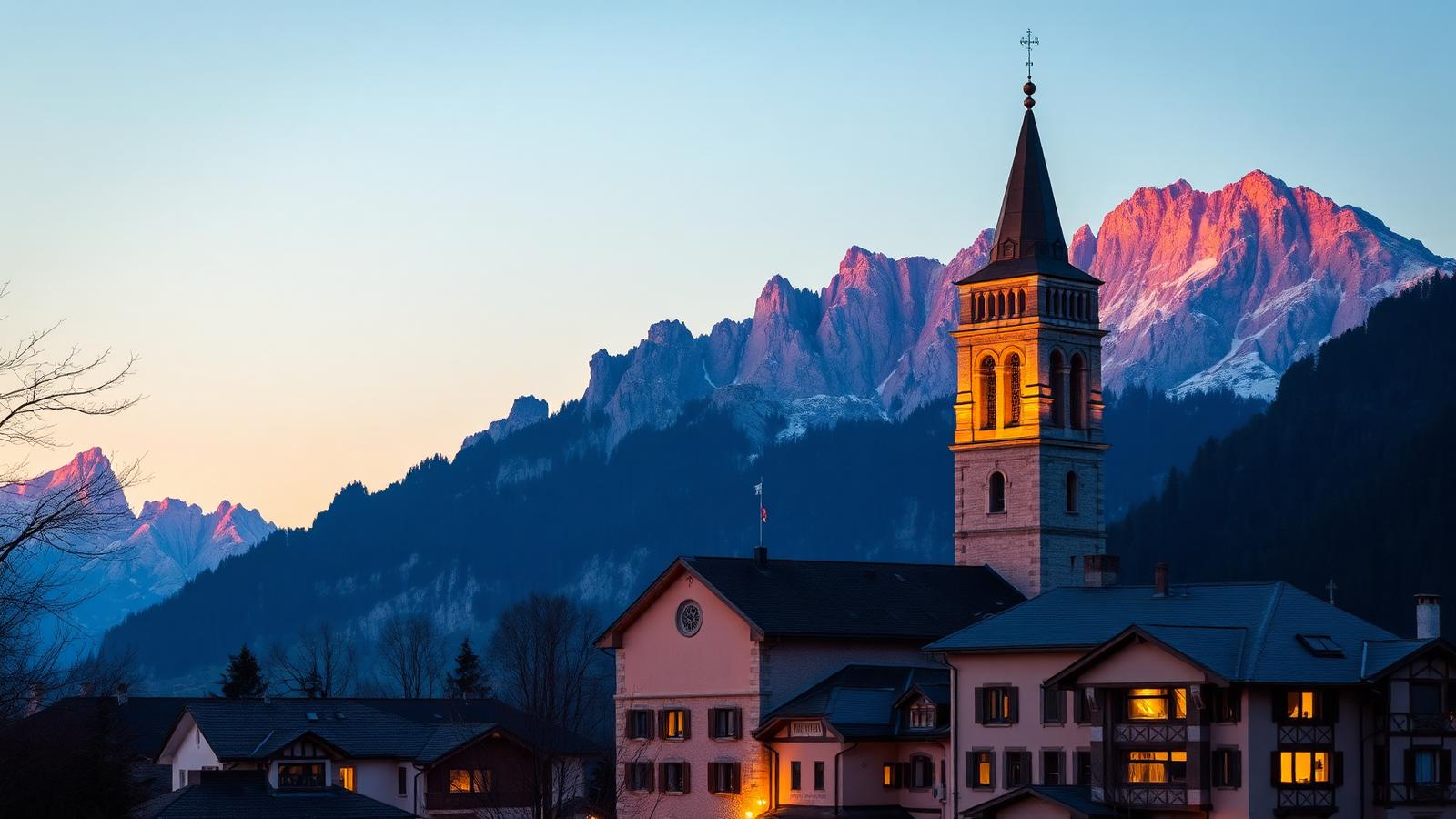
Cortina in each season is essentially a different town. This is a plain account of cortina in autumn — what is actually open, what looks best, where you will still find quiet, and the small logistical shifts that separate a good visit from a frustrating one.
I have kept the logistics at the top and the opinions clearly labelled, so you can skim for facts or settle in for the reasoning.
What this season actually feels like
Autumn is Cortina's quiet turn between two peaks — the summer lift and rifugio network winds down through September, and by late October the town settles into the same closed-season hush that spring brings, but painted gold on the way there.
Autumn picks worth the trip
Larch-gold drive over Passo Giau
Late October is peak colour on the south-facing meadows either side of the pass road.
Croda da Lago circuit before hut closure
Squeezed into the window before the rifugio locks up for winter around 20 September.
Federavecchia woodland walk
One of the best low-effort larch displays, reachable straight from town on foot.
Last-lift Faloria before mid-October shutdown
A final chance for high balcony views before the cable car pauses for the season.
Fungi and chestnut season in town restaurants
Autumn menus lean into porcini and local game while the harvest lasts.
What is open, what is not
Season transitions in Cortina are real. Lifts, rifugi, and even some hotels open and close on their own calendars. Do not assume the summer bus network is running in May or that a rifugio is serving lunch in mid-October. Confirm every link individually.
Highlights worth planning around
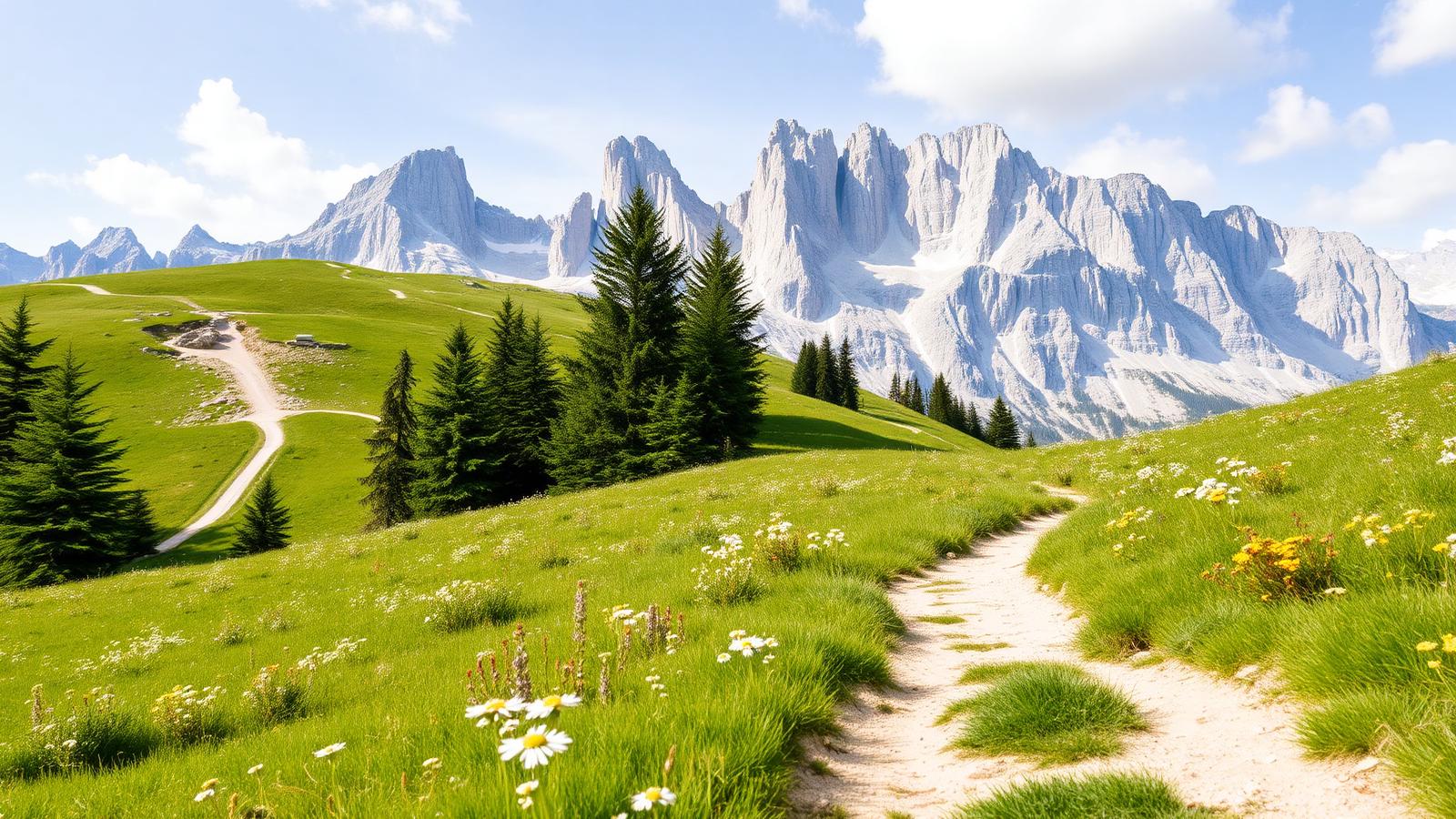
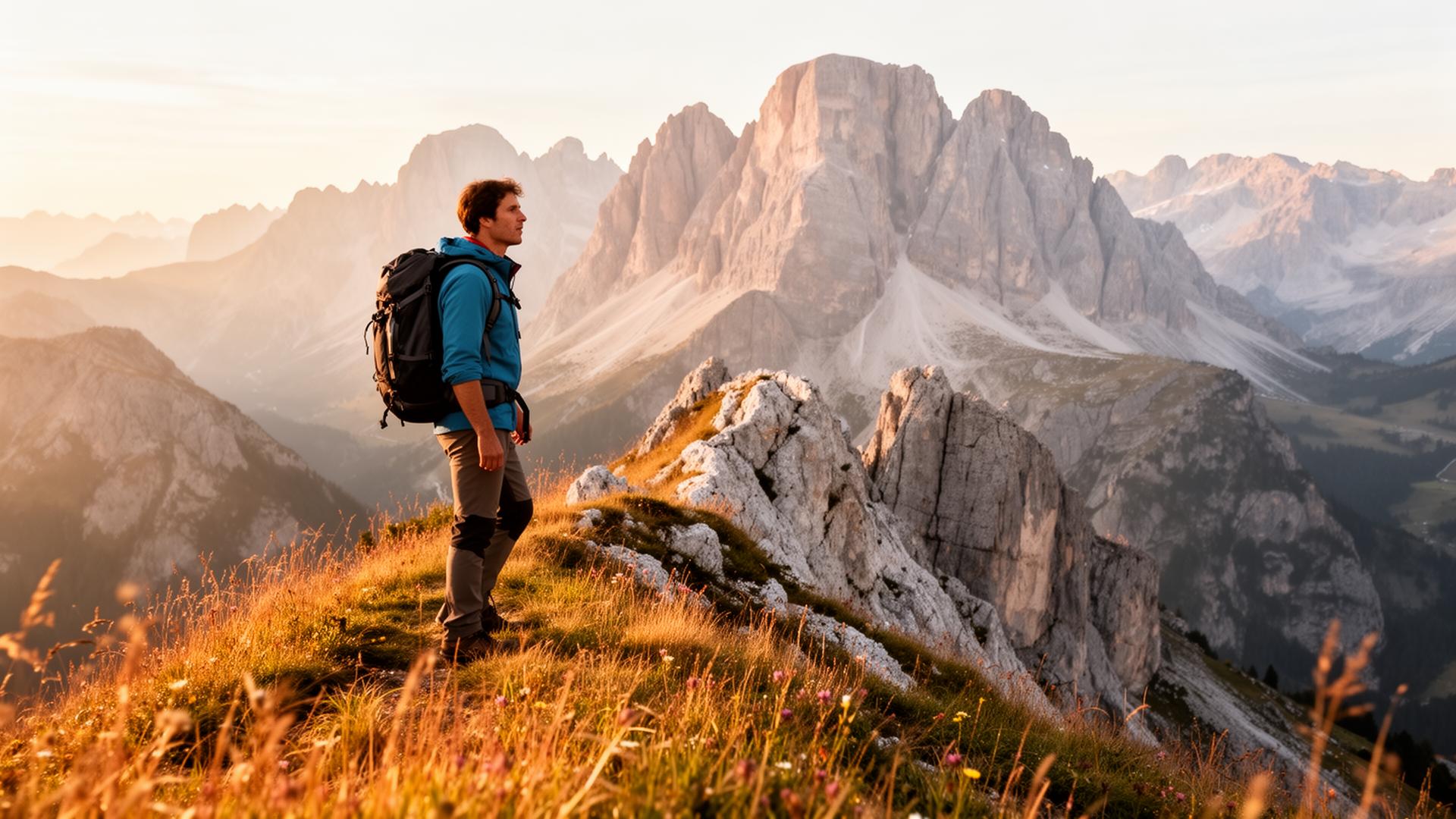
Each season has a handful of anchor experiences that are best in this window and rarely as good outside it. Structure the trip around one or two of them and let the rest of the days fill in around good weather.
Weather patterns and what to pack
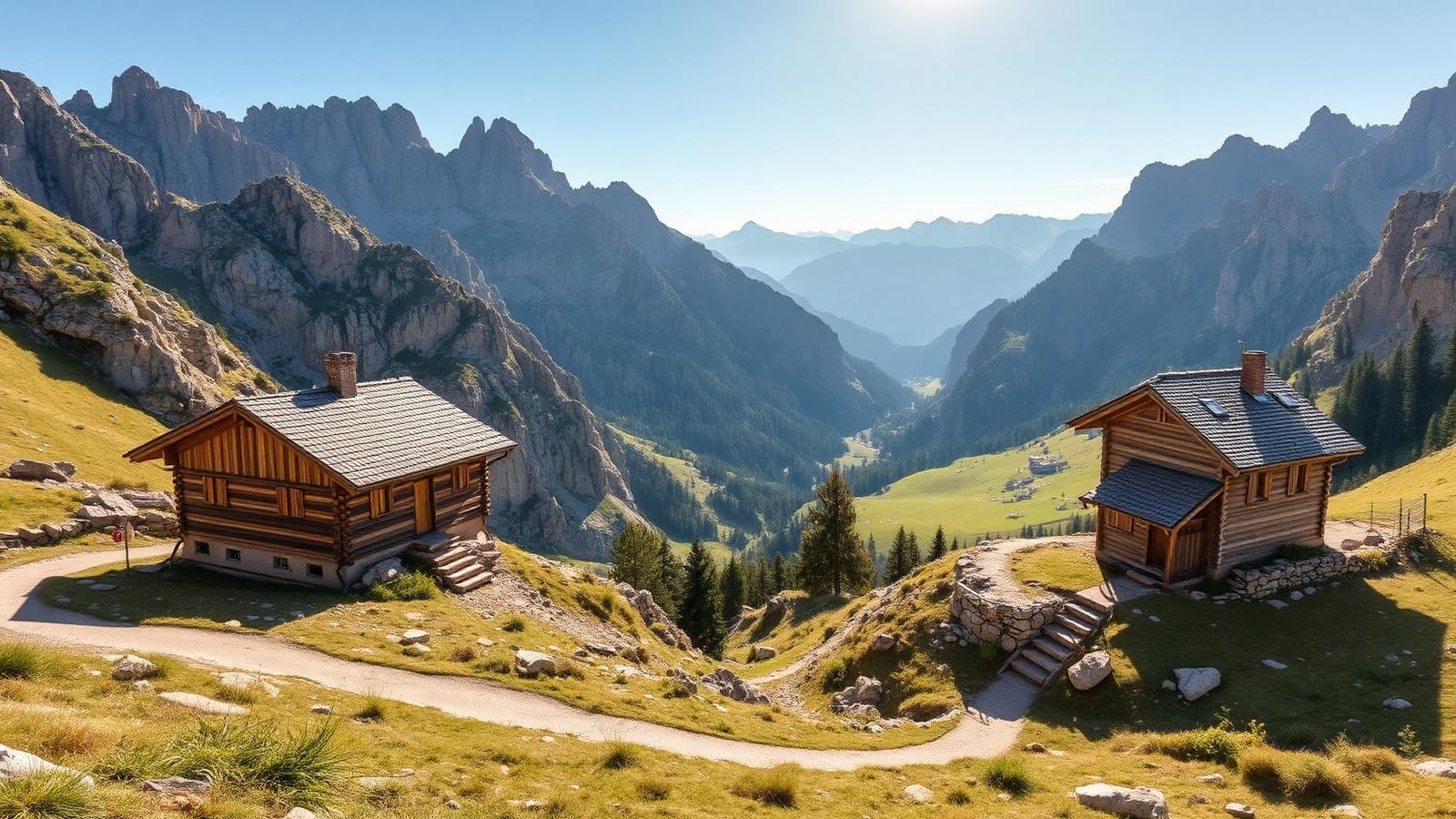
Rifugi close in a staggered wave, most by 20 September, though a handful with road or lift access stretch into early October on weekends. Freccia nel Cielo, Faloria and Lagazuoi then close fully for the season by mid-October, ahead of the November closure that runs to late November.
Crowds and pricing
A local's rhythm this month
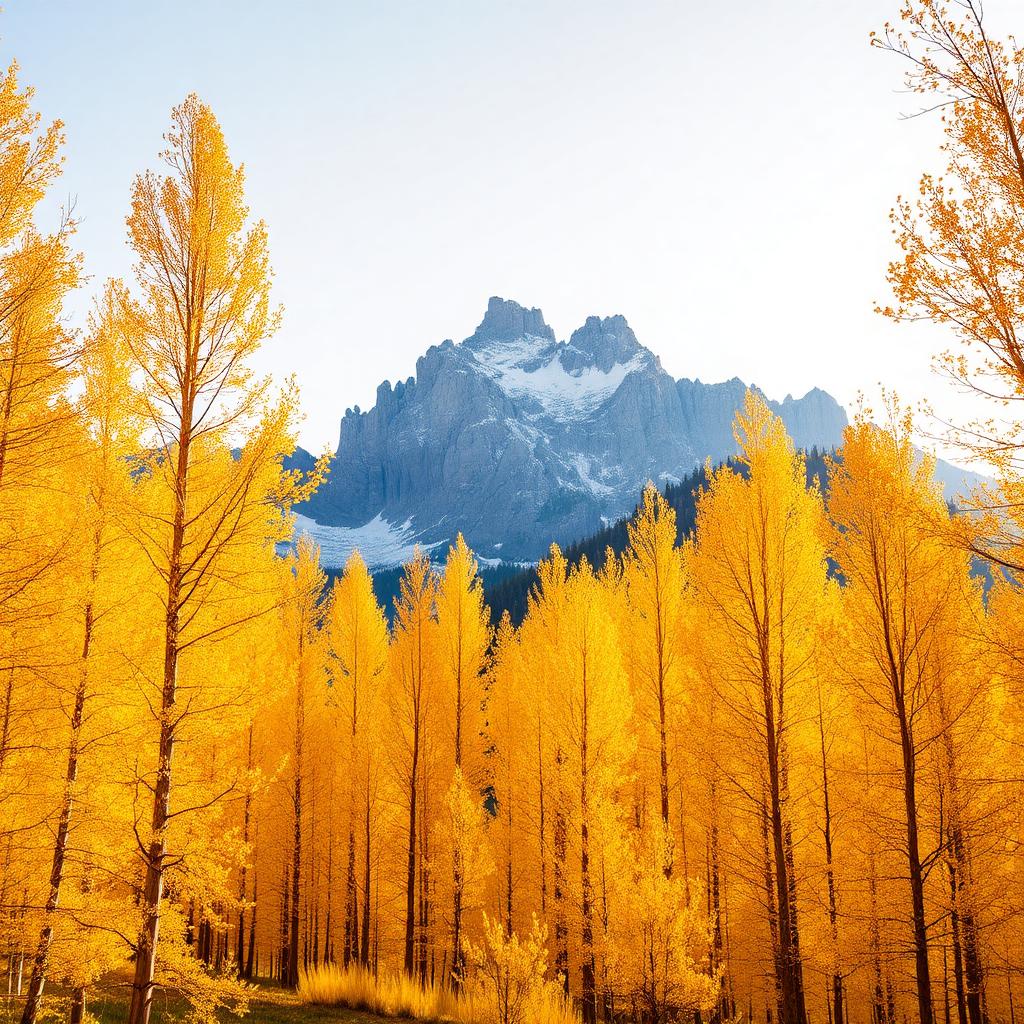
Chase the larch colour on south- and west-facing slopes above Federavecchia and around Passo Giau in the third week of October — that's usually the peak, roughly a week later than the shadier north-facing valleys near Fiames.
Where the gold actually lands
Larch is the one Dolomite conifer that turns colour and drops its needles, and Cortina's forests are thick with it between about 1,700m and 2,100m. The turn starts on the highest, most exposed trees in late September and works downhill through October, so a week's difference in altitude means a week's difference in colour.
Aspect matters as much as altitude: south and west-facing slopes around Passo Giau and Cinque Torri catch more sun and turn first, usually mid-October, while the cooler, shaded valley near Fiames and the north side of the Boite peak closer to the last week of October.
Frequently asked questions
When exactly does the larch colour peak?
Typically mid-to-late October, with south and west-facing slopes like Passo Giau turning a week or so ahead of the shadier north sides near Fiames.
Are rifugi open in October?
Very few — most close around 20 September, though a handful with easy road access run weekend service into early October.
Is it still worth visiting after the lifts close?
Yes for driving and low-level walking, but not if your plan depends on Faloria, Freccia nel Cielo or Lagazuoi — they typically shut mid-October to late November.
Is autumn a good time for photography?
One of the best — golden larch against limestone under clearer, drier air than summer, with far fewer people in the frame.
What happens to Passo Giau and Falzarego in autumn?
Both stay open to traffic until the first serious snowfall, usually late October or into November, then close for snow-clearing before winter opening.
Pick the season to match the trip you want, not the photos you have seen — Cortina rewards the honest choice.
Sources & further reading
Plan the next piece
Build a trip, not a checklist.
Pair this guide with a realistic itinerary and a place to stay near the activities you care about most.