Cortina in Winter
December to March skiing season in Cortina, from Olympia delle Tofane's women's World Cup races in late January to reliable snow, open lifts, and Corso Italia lit for the season.
Reviewed by the Cortina Compass desk
Last verified on foot: January 2026 How we research
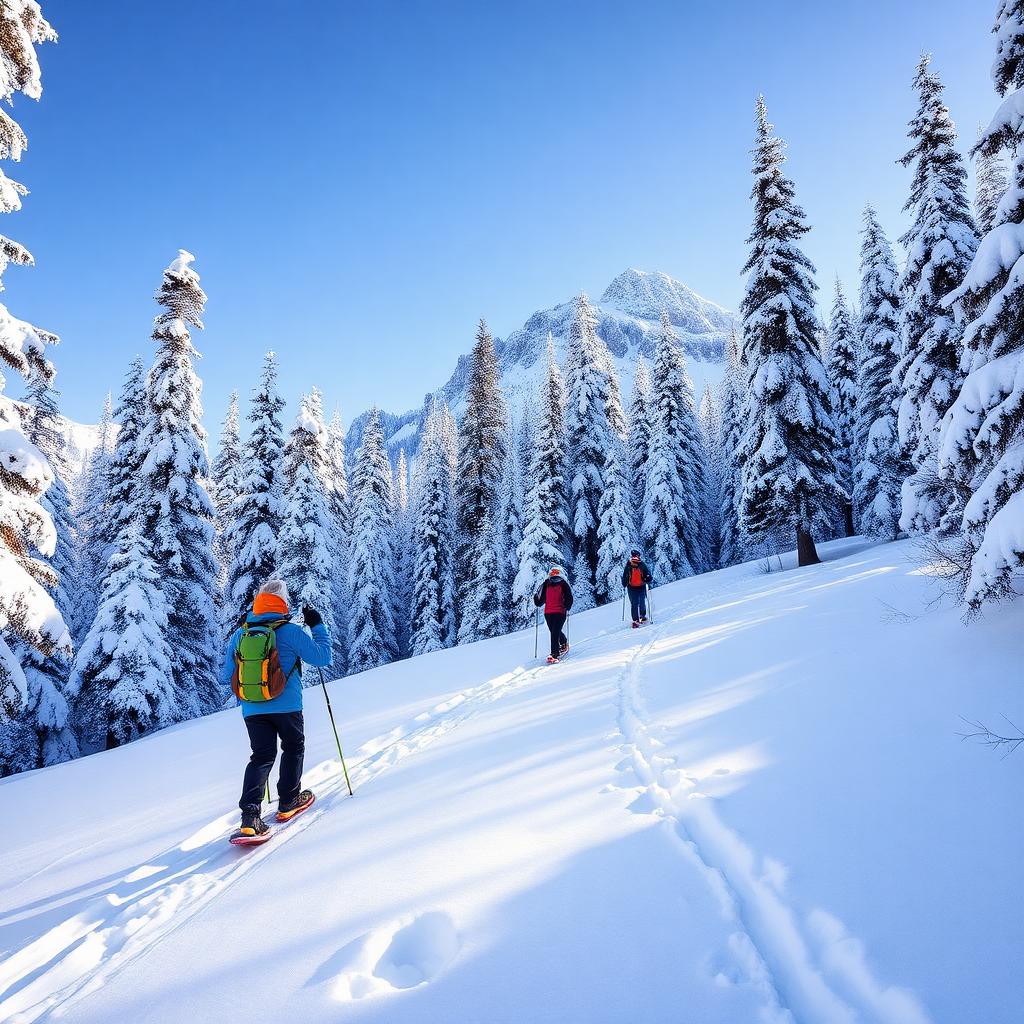
Cortina in each season is essentially a different town. This is a plain account of cortina in winter — what is actually open, what looks best, where you will still find quiet, and the small logistical shifts that separate a good visit from a frustrating one.
Read it as a briefing rather than a brochure: what works, what fails, and what I would do differently on a second visit to cortina in winter.
What this season actually feels like
Winter is Cortina's headline season — the Tofane, Cristallo and Faloria ski areas are running, the Olympia delle Tofane hosts the women's Coppa del Mondo downhill and super-G in late January, and the whole town operates on ski-season hours.
Winter, done properly
Watch the women's Coppa del Mondo downhill
Late January on Olympia delle Tofane, one of the classic stops on the World Cup calendar.
First-tracks on Tofana in fresh snow
Cortina's biggest ski area holds snow well through the core season thanks to north-facing terrain.
Sunset drink on a slope-side terrace
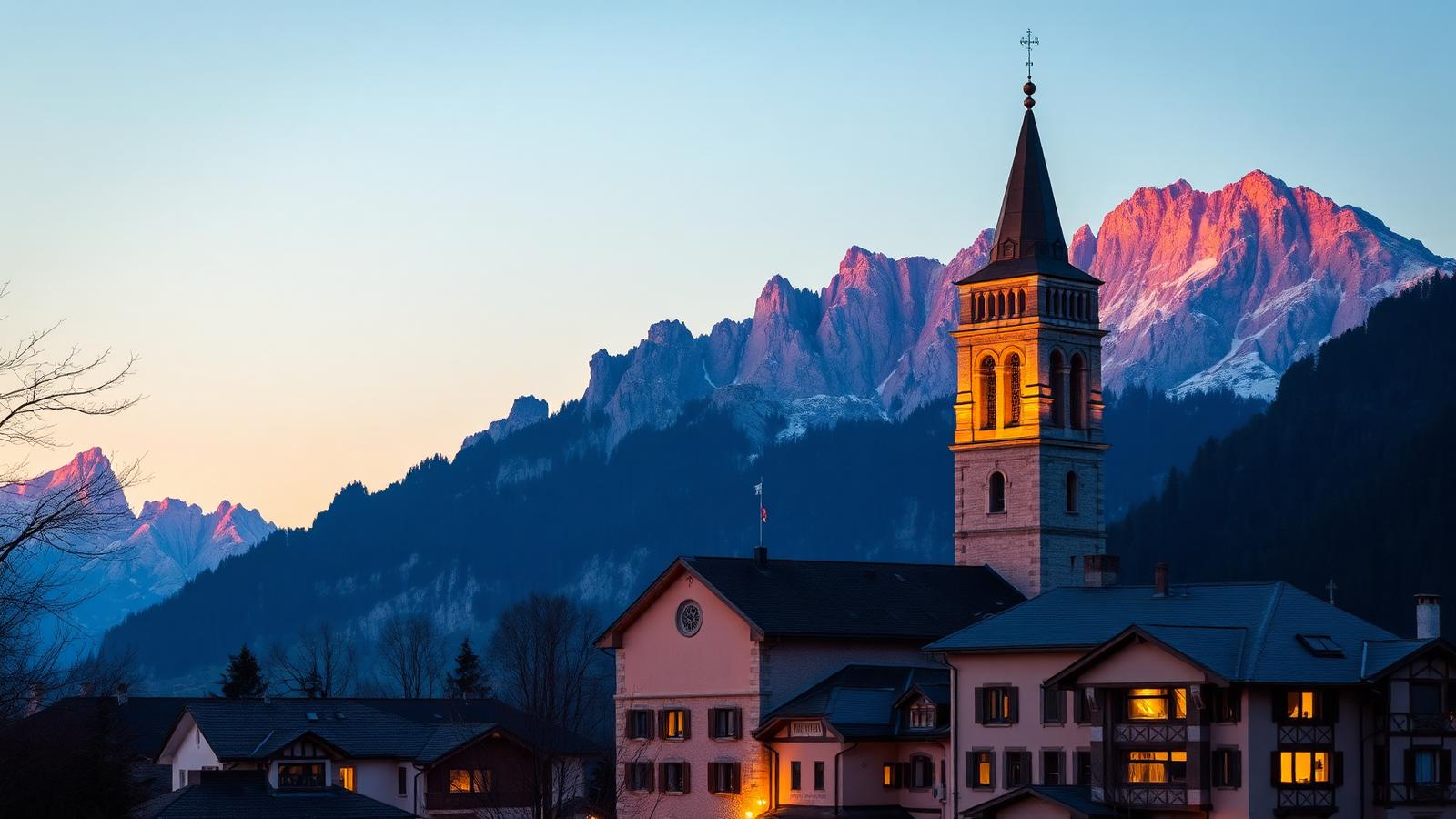
Winter's short days make 4pm aperitivo with alpenglow on the Tofane a genuine highlight, not an afterthought.
Cross-country loops at Fiames
Groomed tracks stay reliable through the coldest, snowiest weeks of the season.
Ice skating on the Stadio Olimpico rink
The Olympic-legacy rink in town runs public sessions through the winter evenings.
What is open, what is not
Season transitions in Cortina are real. Lifts, rifugi, and even some hotels open and close on their own calendars. Do not assume the summer bus network is running in May or that a rifugio is serving lunch in mid-October. Confirm every link individually.
Highlights worth planning around
Each season has a handful of anchor experiences that are best in this window and rarely as good outside it. Structure the trip around one or two of them and let the rest of the days fill in around good weather.
Weather patterns and what to pack
The women's World Cup races on Olympia delle Tofane usually land in the last week of January; race days close parts of the ski area to public skiing and pull large crowds to the finish line grandstands, so check the FIS and Cortina calendars if you're skiing that week.
Crowds and pricing
A local's rhythm this month
Ski the first two hours after opening on a bluebird morning — grooming crews finish the Olympia and Forcella Rossa runs by 8:30, and you'll get corduroy without the midday lift queues that build by 10:30 on holiday weeks.
Race week logistics
When the Coppa del Mondo comes to Olympia delle Tofane in late January, parts of the piste close to public skiing for training runs and the race itself, usually for a few hours in the morning across two or three days. Spectators gather near the finish area, and the town centre gets a genuine buzz that's different from ordinary ski-season traffic.
If you're skiing that week rather than watching, plan around the closures by checking the day's schedule at the lift base — Faloria and Cristallo stay unaffected, so it's easy to shift areas for the morning and rejoin Tofana once training finishes.
Frequently asked questions
When are the women's World Cup races in Cortina?
Usually the last week of January on Olympia delle Tofane — check the FIS calendar each season, as exact dates shift by a few days year to year.
Is Passo Giau open for driving in winter?
Rarely — it typically closes to traffic once heavy snow settles for the season, while Passo Falzarego generally stays open year-round with winter tyres or chains.
What's the coldest part of the season?
January nights regularly drop to -10°C or colder in the valley, though clear cold days often bring the best snow quality on-piste.
Can I still hike in winter?
Yes, on cleared low-level paths and with snowshoes on marked winter trails, but the summer hiking network above the treeline is under snow and unmarked.
Is Christmas week very busy?
Yes, along with the World Cup week in late January — both are peak booking periods, with restaurants and hotels filling weeks in advance.
Pick the season to match the trip you want, not the photos you have seen — Cortina rewards the honest choice.
Sources & further reading
Plan the next piece
Build a trip, not a checklist.
Pair this guide with a realistic itinerary and a place to stay near the activities you care about most.