Cortina in Summer
July and August in Cortina, when every rifugio and lift is running, Ferragosto packs the passes solid, and the trick is timing your day around the crowds, not avoiding them.
Reviewed by the Cortina Compass desk
Last verified on foot: October 2025 How we research
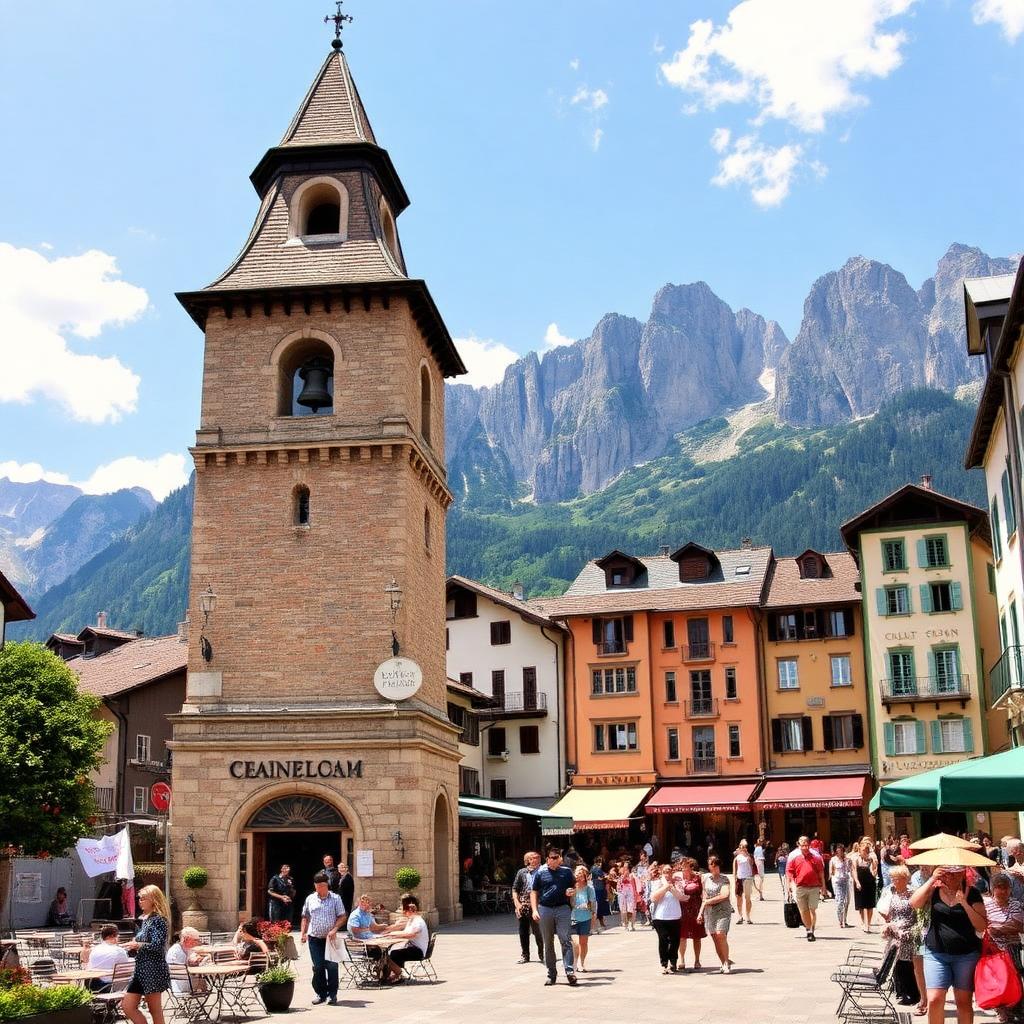
Cortina in each season is essentially a different town. This is a plain account of cortina in summer — what is actually open, what looks best, where you will still find quiet, and the small logistical shifts that separate a good visit from a frustrating one.
Read it as a briefing rather than a brochure: what works, what fails, and what I would do differently on a second visit to cortina in summer.
What this season actually feels like
Summer is Cortina at full capacity — all three main lift systems (Freccia nel Cielo, Faloria, Lagazuoi) are running, rifugi are all open, and the valley's population multiplies several times over for six or seven weeks.
How to spend a summer week here
First-lift Faloria to Cristallo balconies
Only in full lift operation can you reach 2,100m by 9am and still get a rifugio table on return.
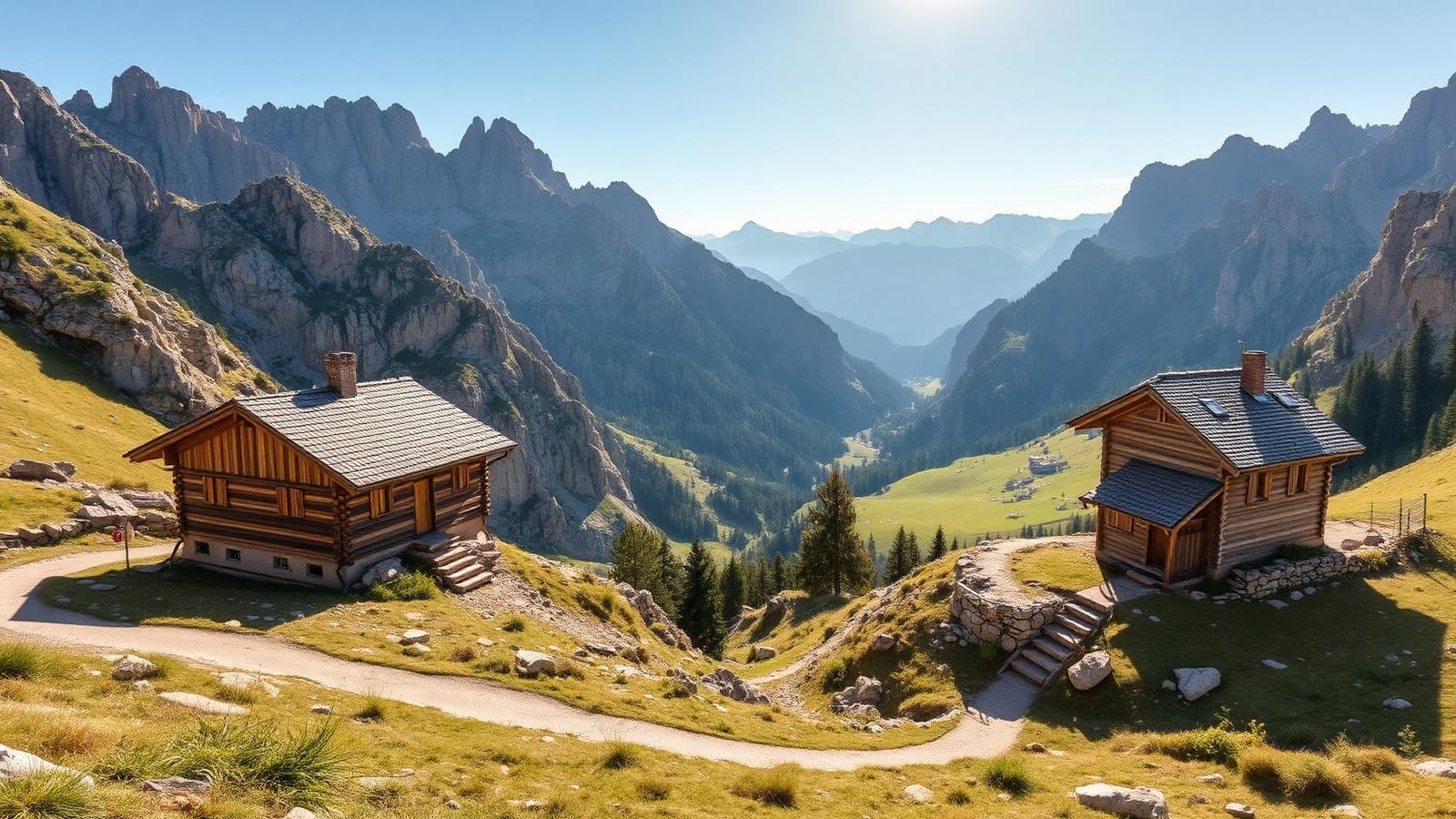
Rifugio-to-rifugio overnight on Alta Via 1
This only works between 20 June and 20 September when dormitories and kitchens are staffed.
Lago di Sorapis for the turquoise water
Peak meltwater colour and the longest daylight window of the year line up in July.
Evening passeggiata on Corso Italia
Shops stay open late and the town square hosts summer concerts through July-August.
Cinque Torri open-air museum before 9:30
Beats the tour buses that fill the Scoiattoli chairlift queue by mid-morning.
Lagazuoi via tunnels
The WWI galleries are only accessible while the cable car runs its full summer timetable.
What is open, what is not
Season transitions in Cortina are real. Lifts, rifugi, and even some hotels open and close on their own calendars. Do not assume the summer bus network is running in May or that a rifugio is serving lunch in mid-October. Confirm every link individually.
Highlights worth planning around
Each season has a handful of anchor experiences that are best in this window and rarely as good outside it. Structure the trip around one or two of them and let the rest of the days fill in around good weather.
Weather patterns and what to pack
Around 15 August, Ferragosto, is the single busiest week of the Italian year here: Passo Giau and Passo Falzarego traffic can back up for 30+ minutes, and rifugio terraces turn away walk-ins by noon. The three weeks either side of it are far calmer with near-identical weather.
Crowds and pricing
A local's rhythm this month
Ride the first cabin of the day — Faloria's first car is typically 8:30-9:00 in season — and you'll have Cristallo's balconies to yourself for a good hour before the coach groups arrive around 10:30.
Living with Ferragosto
The week bracketing 15 August is when Italy's domestic holidaymakers arrive en masse, and Cortina is one of their default targets. Restaurant tables need reservations, passes queue, and rifugio terraces run out of chairs by lunchtime — this is simply the trade-off for the best-weather fortnight of the Dolomites summer.
Locals plan around it rather than fight it: early starts, weekday passes over weekend ones, and lower-traffic valleys like Fiames or Federavecchia instead of the Tre Cime-Misurina corridor. The crowding drops off sharply after 25 August even though the weather barely changes.
Frequently asked questions
Is Ferragosto worth avoiding?
If you can shift by even a week either side of 15 August, do it — traffic on the passes and rifugio queues both ease noticeably outside that single peak week.
Do I need to book rifugi in summer?
Yes for overnight beds, especially July-August — call or book online at least 2-3 weeks ahead for Nuvolau, Lagazuoi or Locatelli.
What's the weather pattern in summer?
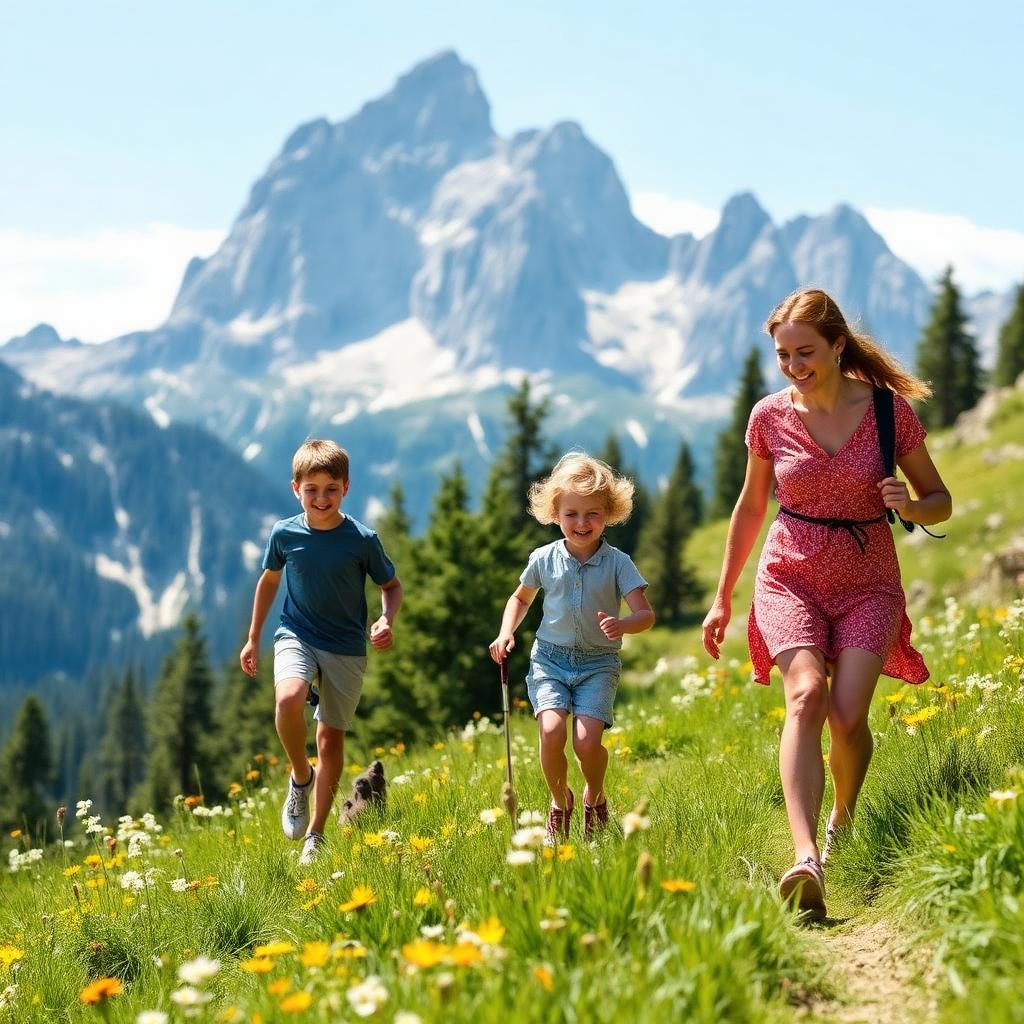
Clear mornings, building cumulus by early afternoon, and a real chance of thunderstorms between 2pm and 5pm — plan summit time before noon.
Is driving to Tre Cime realistic in August?
Only if you arrive before 8am or use the shuttle bus from Misurina — the toll-road car park closes on arrival most August mornings.
Are the lakes swimmable in summer?
Most alpine lakes here, including Sorapis and Braies, stay too cold for real swimming even in August and are protected zones where swimming is banned.
Pick the season to match the trip you want, not the photos you have seen — Cortina rewards the honest choice.
Sources & further reading
Plan the next piece
Build a trip, not a checklist.
Pair this guide with a realistic itinerary and a place to stay near the activities you care about most.