The Best Things to Do in Cortina d'Ampezzo
Beyond the postcard peaks: the lifts, museums and short walks that actually fill a Cortina itinerary well, in the order most visitors should tackle them.
Reviewed by the Cortina Compass desk
Last verified on foot: June 2026 How we research
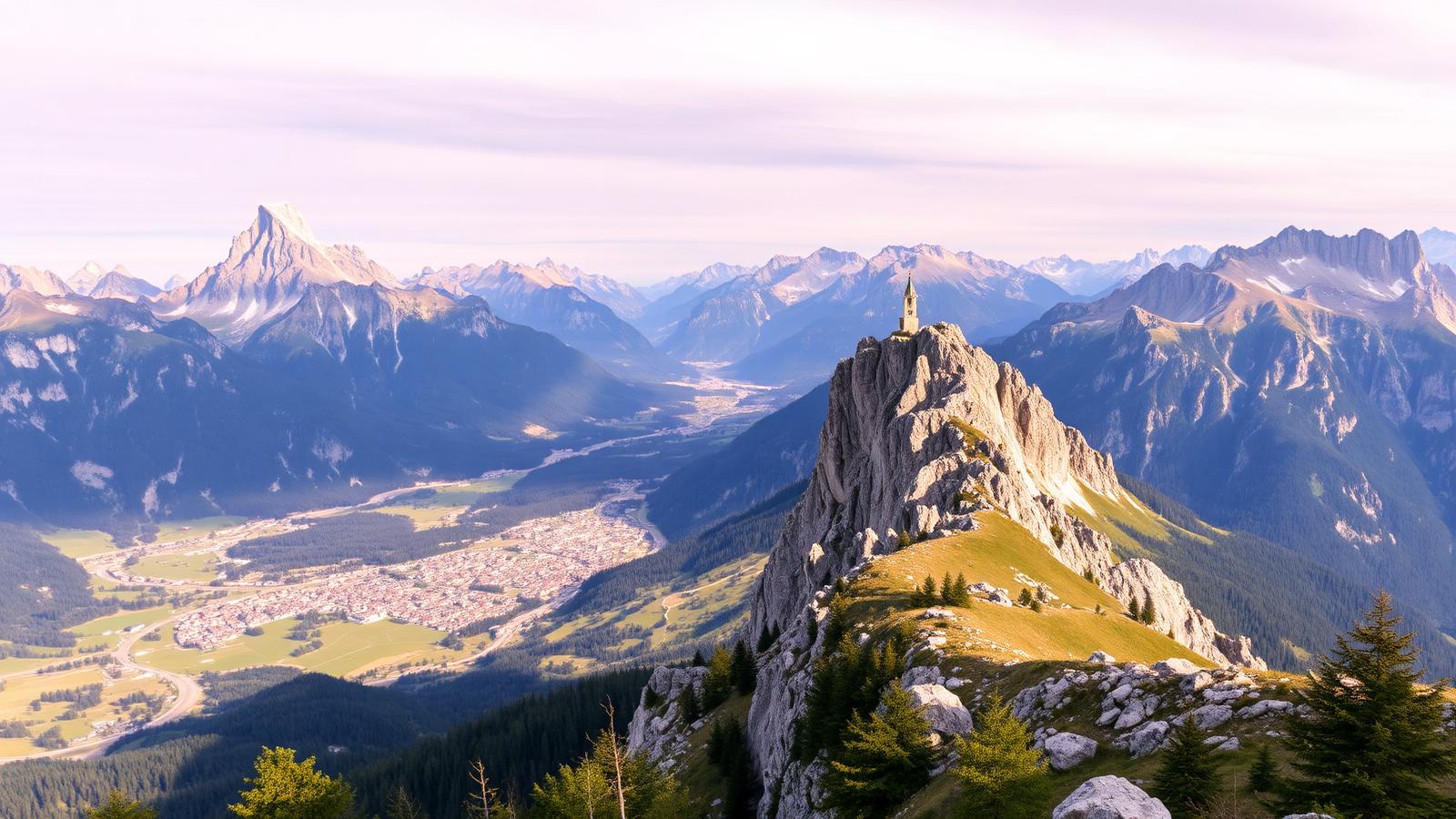
There is no shortage of lists for this valley, and most of them are the same twelve places in a different order. What actually decides whether a day here is good is narrower than that: one thing worth the effort, something to eat with a view, and enough slack that the weather can change its mind.
How to choose, rather than what to choose
Everything here divides into three groups: things reached on foot from town, things that need a lift, and things that need a car and an early start. Mixing more than two groups in one day is where itineraries fall apart.
My rule is one anchor per day. Choose it the evening before, after looking at the mountain forecast rather than the valley one.
What to actually do
Faloria cable car at first departure
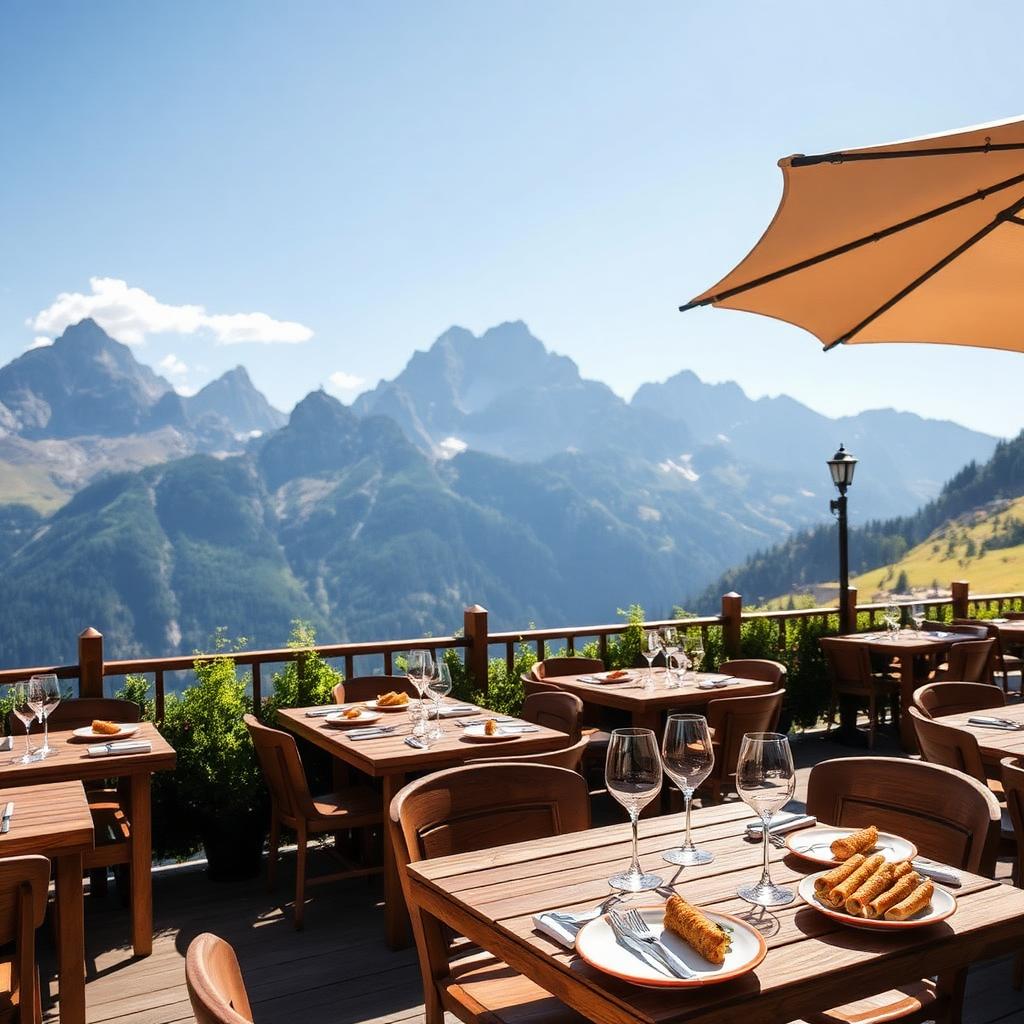
clearest light, quietest terrace, Tofane panorama
Cinque Torri open-air museum
chairlift plus WWI trench galleries, 2-3 hours
Museo d'Arte Moderna Mario Rimoldi
€8, De Chirico and Fontana in a small, uncrowded space
Corso Italia at golden hour
shops still open, Campanile lit, the town at its best
Lago di Sorapis via SAD bus 30/31
one serious half-day hike, no car needed
What a day here costs in time
The outings that reward the effort
The lift-served high ground is the obvious place to start, and deservedly so — you gain a thousand metres in minutes and land somewhere that would otherwise cost you a morning.
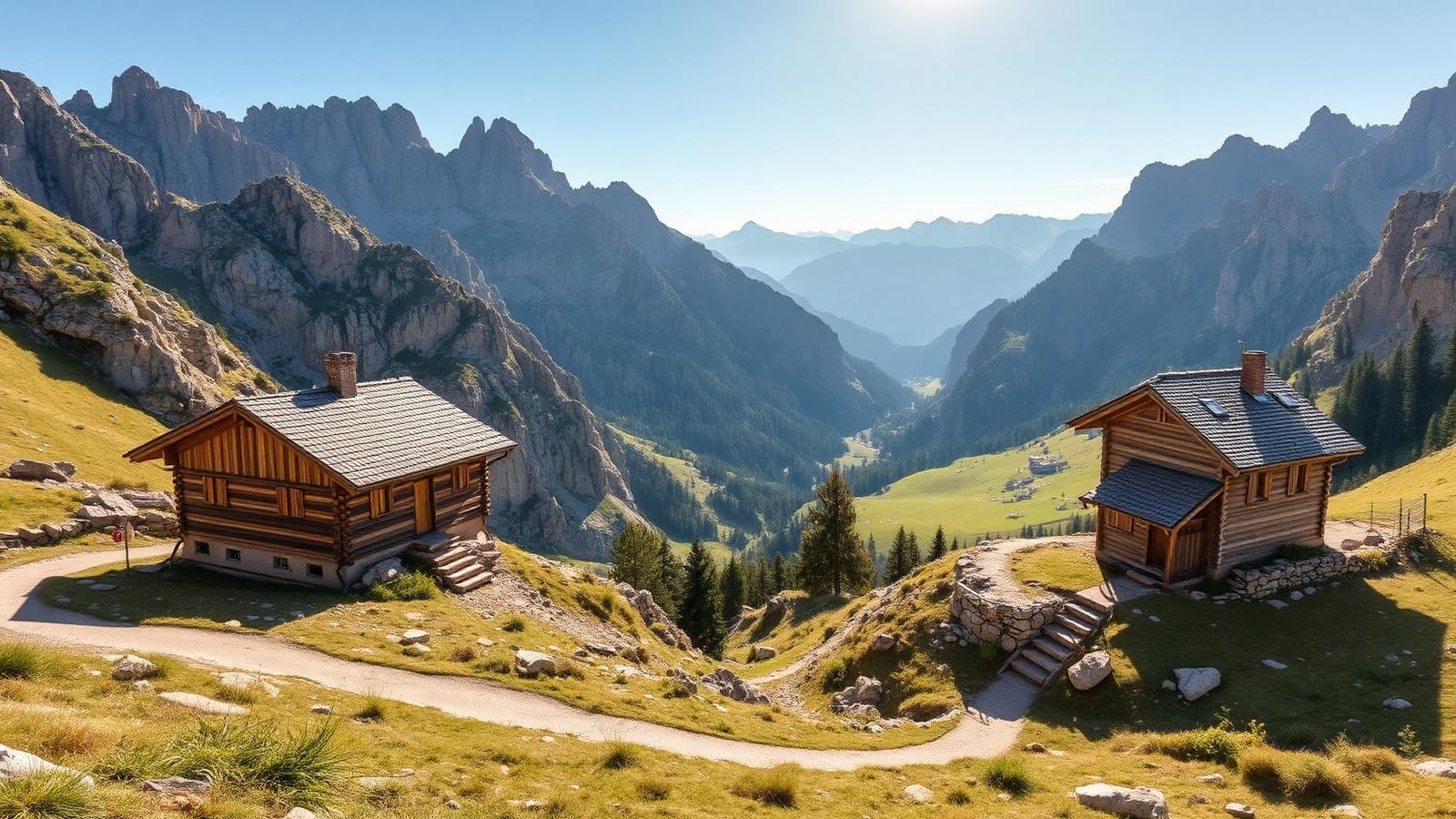
The First World War remains scattered across these mountains are the most distinctive thing in the valley and the most consistently underrated. Trenches, tunnels and gun positions sit directly beside walking paths, which changes how the landscape reads.
Then there is the town itself, which people treat as a corridor to the lifts. An hour on the Corso around six in the evening tells you more about Cortina than any viewpoint.
Building a day that works
Anchor in the morning, food in the middle, something small and unhurried afterwards. A bakery, a valley path, a second coffee. The small part is what makes the day feel long in the good sense.
Do not book dinner on the same day as a big outing unless the dinner is late and forgiving.
The bits people actually remember
Worth the detour
Look back as often as forward; many of Cortina's best compositions sit behind the obvious view.
Timing matters more than the list
Early is not just about crowds. The light on this rock has shape before ten and after five, and almost none in between.
Practical notes
Opening periods here change with the season, not the calendar month.
Decide the night before, confirm at breakfast, change it if the ridge is in cloud.
Let children choose one small objective and build the day around it.
Free walks and town museums balance the cost of lift-assisted days.
If the weather turns
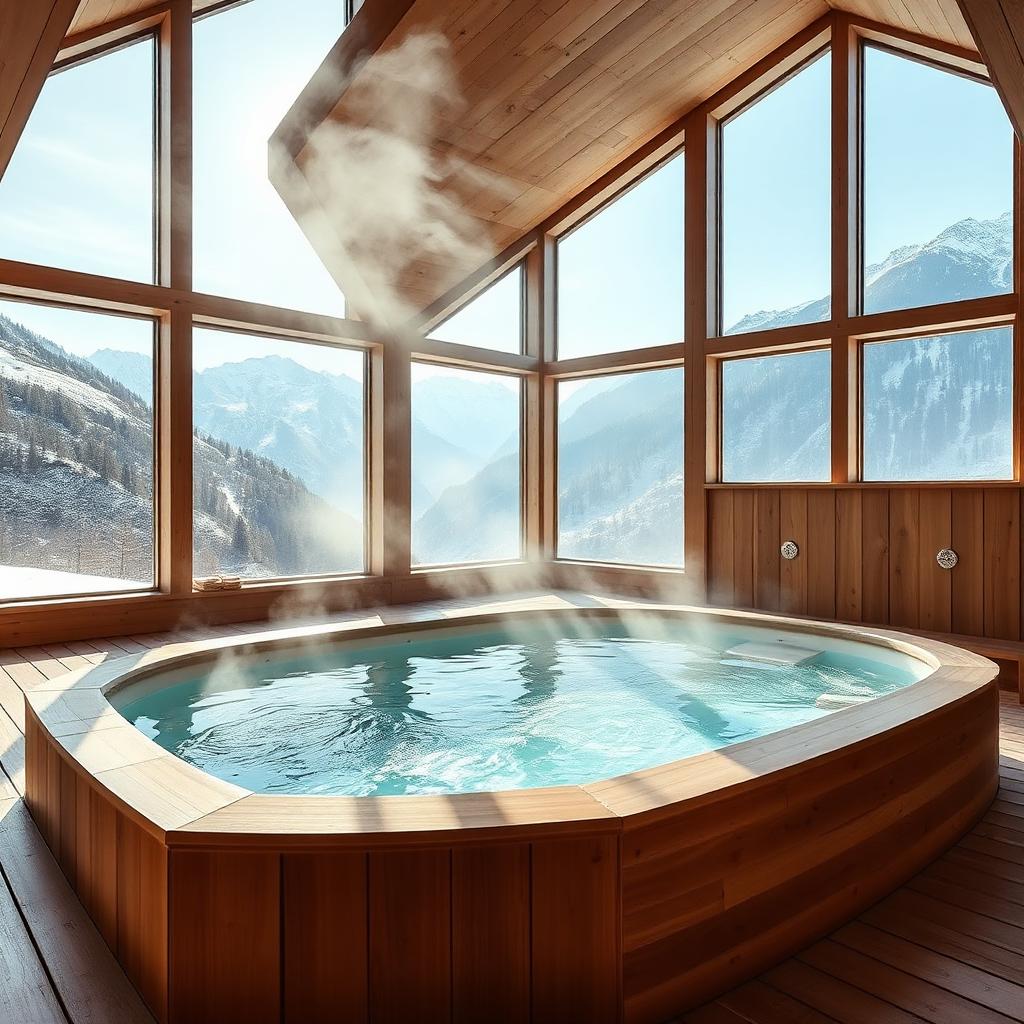
Museums, a spa afternoon and a long lunch are a genuinely good day here, not a consolation prize. The valley in low cloud is quieter and stranger than in sunshine.
Frequently asked questions
How many days do the 'best things' need?
Four to five days lets you do one museum morning, two lift days and one proper hike without rushing.
Is Cinque Torri better than Faloria?
They're different: Faloria is the panoramic ride, Cinque Torri is the walkable history site — most itineraries fit both in.
What if it's raining?
Shift to the Rimoldi collection, Ciasa de ra Regoles and the Zardini paleontology museum, all within two blocks of Corso Italia.
Do I need to book lift tickets ahead?
Not usually for Faloria or Cinque Torri outside August weekends; peak-season mornings can have a short queue but rarely sell out.
What's most overrated?
A rushed Tre Cime day trip squeezed alongside town sightseeing — it deserves its own unhurried day, not a bolt-on.
Pick fewer things than the list suggests. Two proper outings and an evening in town beats six ticked boxes, and it is the version people describe when they get home.
Sources & further reading
Plan the next piece
Build a trip, not a checklist.
Pair this guide with a realistic itinerary and a place to stay near the activities you care about most.