Winter Hiking and Snowshoeing in Cortina
Winter walking and snowshoeing routes around Cortina d'Ampezzo away from the pistes: Lago di Landro, Passo Tre Croci trails, gear needs and guided options.
Reviewed by the Cortina Compass desk
Last verified on foot: January 2026 How we research
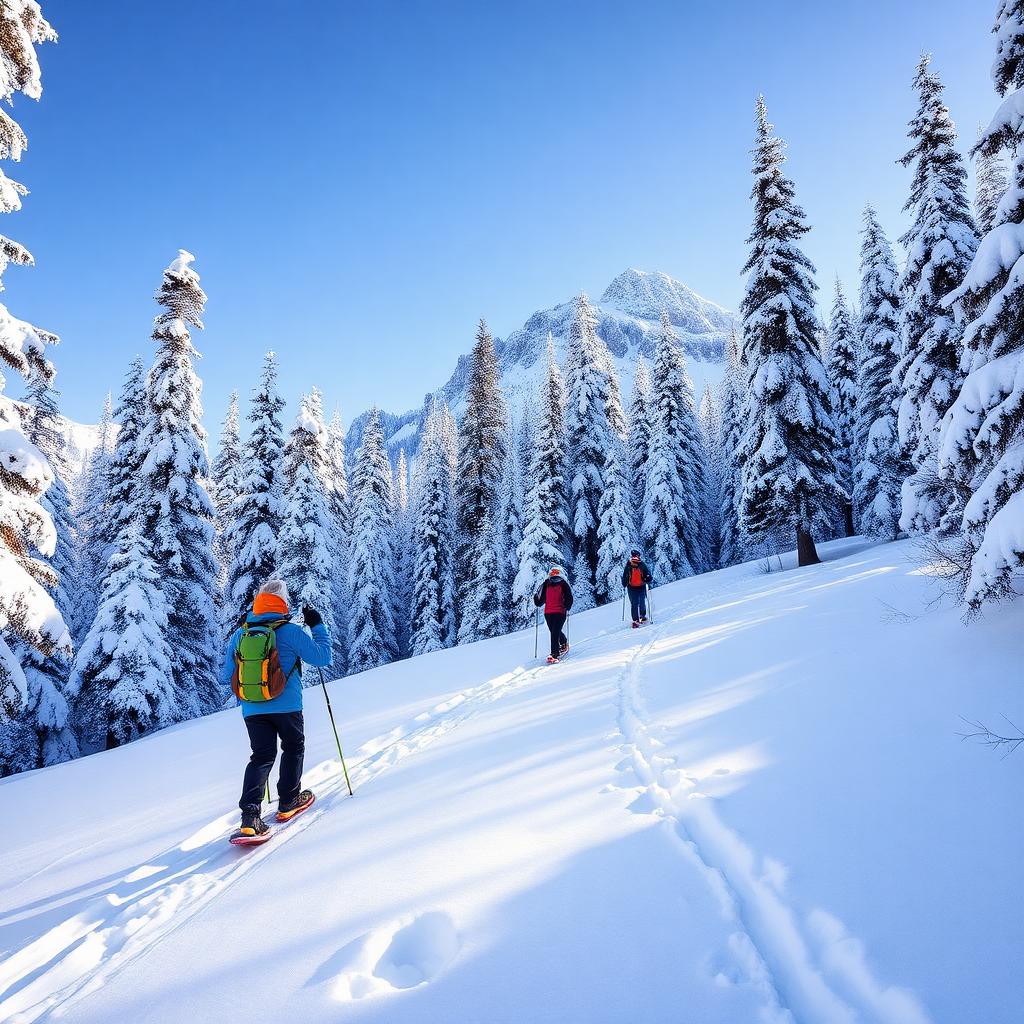
Not everybody in a group wants to ski, and I have spent whole days on snowshoes while friends did laps above me, without ever feeling short-changed. Winter walking here is properly good — but it is also the activity people underestimate most, usually in the matter of daylight.
Where you can walk in winter
Some summer paths are simply gone under snow. What remains is a smaller network of valley routes, prepared winter trails, and a handful of lift-assisted walks that get you high without any real risk.
Routes worth the effort
Fiames valley path
Flat, cleared, shared with cross-country skiers but with its own walking lane.
Passo Tre Croci to Lago d'Ajal
Marked snowshoe route, roughly 2 hours round trip with gentle climbing.
Cinque Torri winter loop
Reachable by chairlift when running in winter, dramatic setting even under snow.
Guided tour with Guide Alpine Cortina
Best option for anyone unsure about avalanche terrain judgment.
What the going is like
Snow makes every distance longer. A route that took ninety minutes in August can take three hours in February, and the last hour of that will be in fading light if you left after ten.
Lifts you may still want
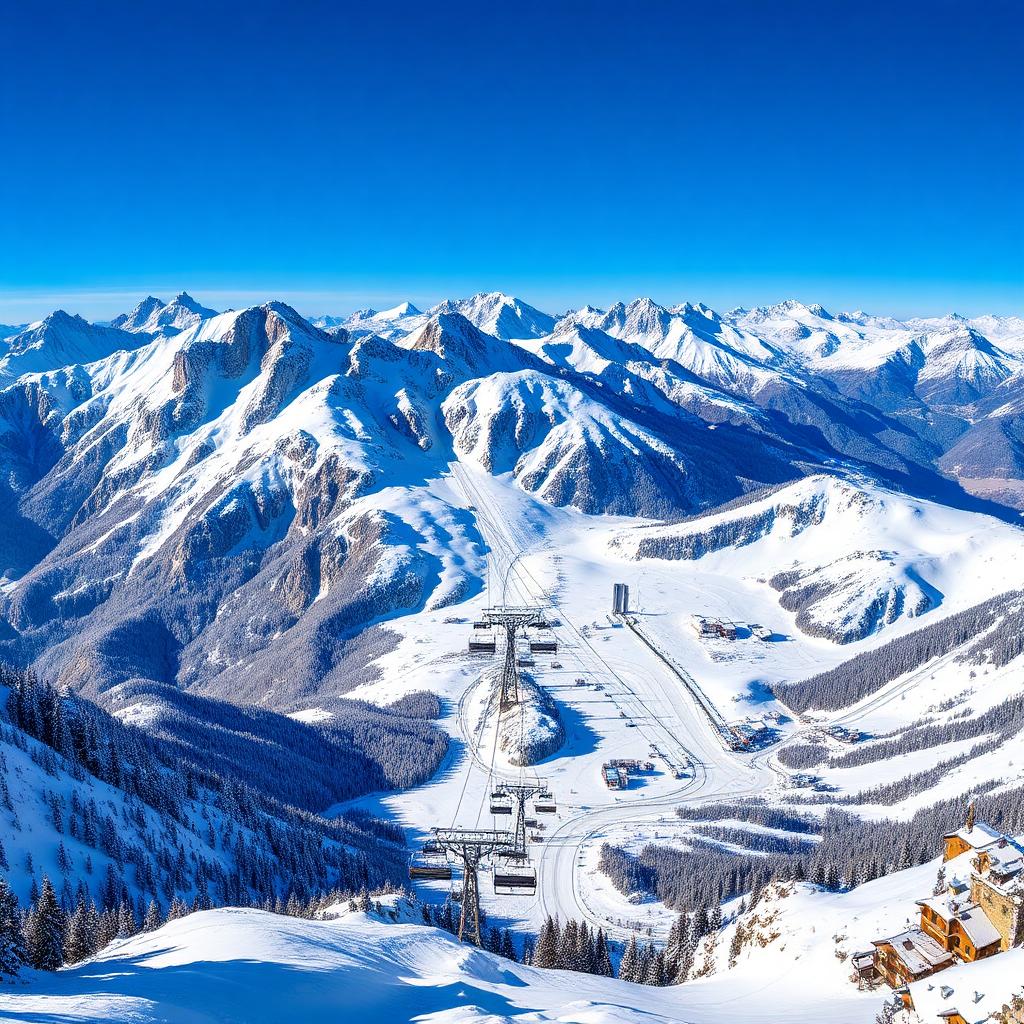
A single lift ride is often the difference between a plod and a genuinely spectacular walk. Buy the pedestrian ticket without agonising over it.
Snowshoes, poles and what to wear
Snowshoes are cheap to hire and easy to use. Poles are not optional, and a spare warm layer that lives in the bag untouched most days is the one I would never leave behind.
Rifugi that stay open
Check individually whether the hut you are aiming for is open. Winter hours here are genuinely unpredictable, and I have arrived at shuttered doors more than once.
My tip
Rent snowshoes for a half-day at Passo Tre Croci rather than buying a full guided tour if you're an experienced hiker — the marked winter trail toward Lago d'Ajal is straightforward to follow solo in good visibility.
Avalanche awareness and turning back
Read the avalanche bulletin even for modest routes, and stay off steep, loaded slopes after new snow. Nothing described here requires you to take that risk.
Set a turnaround time when you leave. Dusk arrives quickly in these valleys and the temperature drops with it.
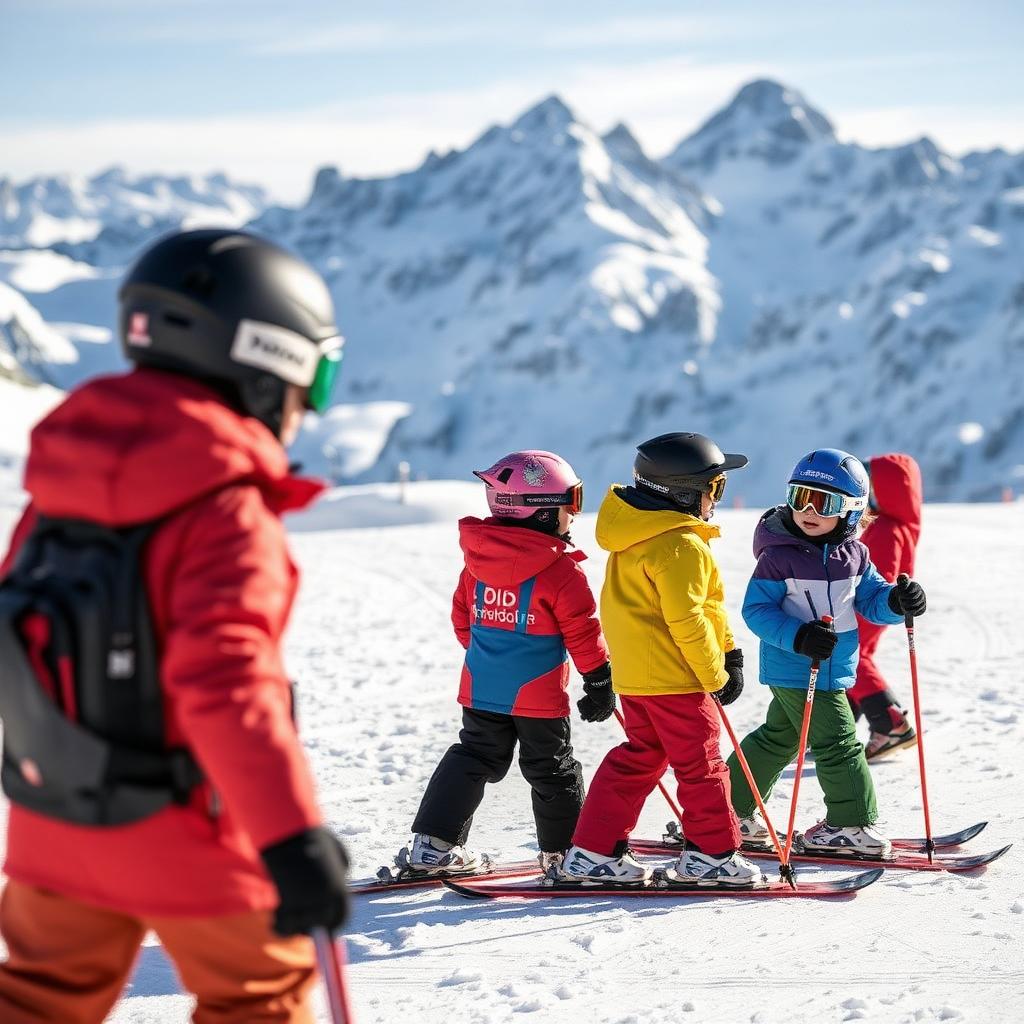
Walking with children in snow
Short valley loops with a hut at the end work far better with children than any ambitious viewpoint.
Socrepes — gentle, sunny, easy logistics.
Socrepes is usually the easiest base for mixed abilities and lesson logistics.
Book by December for February half-term.
Sledging at Mietres is a genuinely good afternoon.
Why the valley floor and the passes behave so differently
Cortina sits in a wide, relatively flat basin at 1,224m, and its cleared winter paths follow that flat ground, meaning avalanche exposure there is essentially zero — this is genuinely easy, low-risk walking suitable for anyone with basic fitness. The moment you climb toward Passo Tre Croci (1,809m) or the meadows below Cinque Torri, the terrain steepens into bowls and gullies that can hold wind-loaded snow even when the valley floor looks stable.
This is why locals treat the ARPA Veneto bulletin as a genuine daily check rather than background noise — a rating of 3 (considerable) can still mean a perfectly fine day on the Fiames path and a real reason to skip an unguided route toward Passo Giau.
Frequently asked questions
Do I need snowshoes for every winter walk here?
No — the cleared valley paths around town and toward Fiames are walkable in ordinary winter boots on most days.
Is guided snowshoeing worth the cost?
Yes if you're unfamiliar with reading avalanche terrain; guides from Guide Alpine Cortina also know which routes hold good snow that week.
Where can I check avalanche risk?
ARPA Veneto publishes a daily regional bulletin through the winter season — check it before any route above the valley floor.
Can children do winter hiking here?
Yes, the flat Fiames path suits families; save the Passo Tre Croci snowshoe routes for children who can already manage a couple of hours walking.
What should I wear?
Waterproof boots with ankle support, gaiters if fresh snow is forecast, and layers — the valley floor and higher passes can differ by several degrees.
Pick a modest route, take a lift if it helps, and be walking back before three. Done that way, a snowshoe day competes with any day on skis.
Sources & further reading
Plan the next piece
Build a trip, not a checklist.
Pair this guide with a realistic itinerary and a place to stay near the activities you care about most.