A Local's Guide to Corso Italia
Corso Italia changes character three times a day — here's how to read the street, from the 08:00 delivery trucks to the 21:00 passeggiata.
Reviewed by the Cortina Compass desk
Last verified on foot: June 2026 How we research
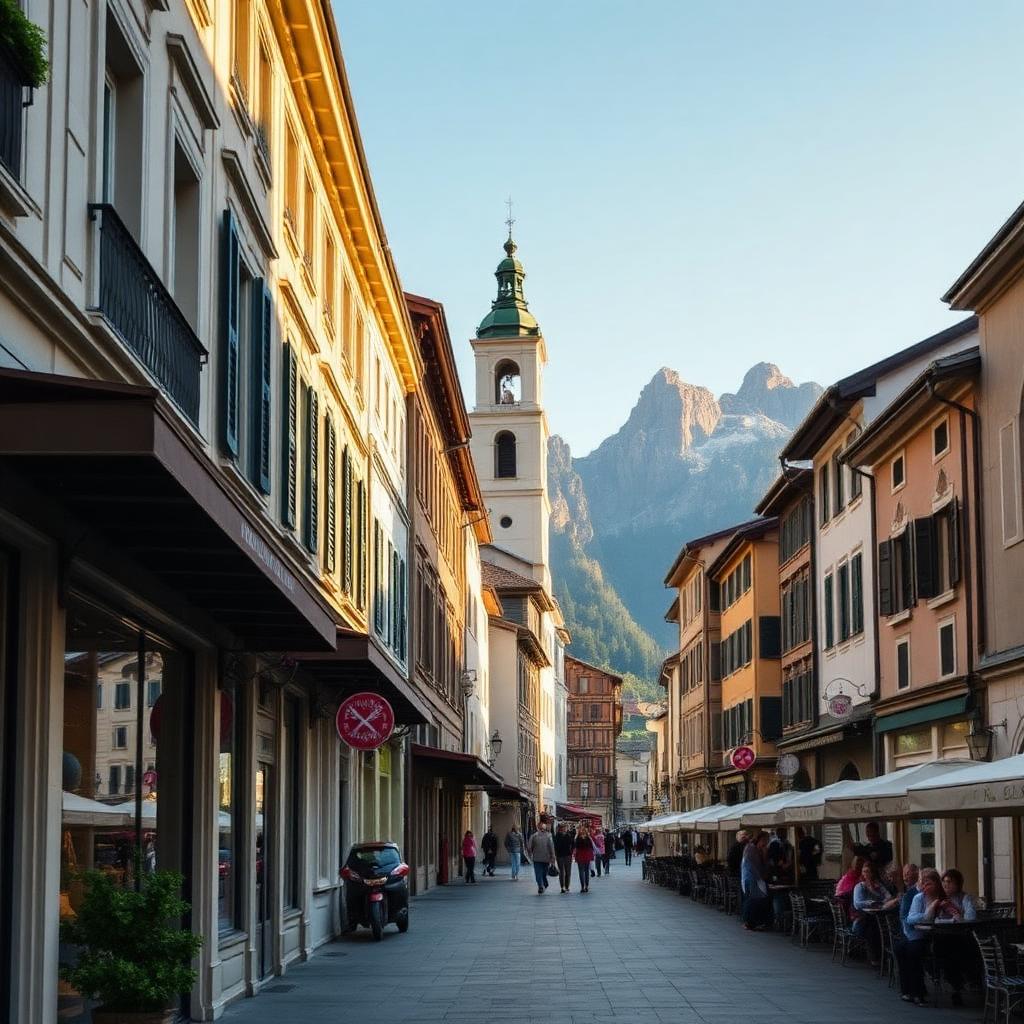
Corso Italia gets described as a shopping street, which undersells it. It is where the town assembles — twice a day, more or less on schedule — and an hour spent sitting on it tells you more about Cortina than any lift ticket.
Why the Corso is worth your time
Six hundred metres, pedestrianised, with the bell tower visible from almost anywhere along it. Everything municipal, cultural and edible in Cortina sits within two blocks of this line.
It is also the answer to the question of what to do with an arrival afternoon or a wet morning.
The street, stop by stop
Pasticceria Lovat
the coffee-and-cake stop locals actually use
Cooperativa di Cortina
department store for kit, groceries and last-minute essentials
Basilica dei Santi Filippo e Giacomo
the Corso's southern anchor, free entry
Ciasa de ra Regoles
just off the Corso, the Rimoldi modern art collection
The Campanile
visible from nearly the whole street, best photographed early morning
Hours and rhythms
What is actually on the street
The street runs from the post office end to the Basilica, with the co-operative department store — the one locals actually use — roughly in the middle, alongside the designer windows tourists photograph.
The pastry shops are the real institution. Espresso standing at the bar costs a fraction of what the same coffee costs at a table outside, and both are worth doing once.
Around the church you find the Regole cultural offices and the museums, which is the part visitors walk past most often.
How to walk it
Walk it once for the shops and once for the buildings. The second pass is the better one: look up, and the older Ampezzo architecture is still there above the shopfronts.
The evening passeggiata
Around six in the evening the street fills with people who are not shopping. Ski boots give way to coats, the tables outside fill, and the whole thing runs for about ninety minutes before dinner absorbs it.
Worth the detour
Look back as often as forward; many of Cortina's best compositions sit behind the obvious view.
When to be there
Nine in the morning for shutters going up and clear light on the bell tower; six in the evening for the town at its most itself. Between one and three, expect closed doors.
Practical notes
Opening periods here change with the season, not the calendar month.
Decide the night before, confirm at breakfast, change it if the ridge is in cloud.
Let children choose one small objective and build the day around it.
Free walks and town museums balance the cost of lift-assisted days.
If shopping is not your thing
If the shops hold no interest, do the museums and a bakery instead and treat the street as the walk between them. Nobody needs to buy anything here to enjoy an hour on it.
Frequently asked questions
What's Corso Italia like at 10am versus 6:30pm?
Morning is practical — deliveries, errands, locals doing shopping; early evening is the passeggiata, when the street fills for a slow, social walk before dinner.
Is it worth visiting on a rainy day?
Yes, several shopfronts have covered arcades, and the Basilica and Ciasa de ra Regoles at either end give you dry indoor stops.
Where do locals actually shop, not just tourists?
The Cooperativa di Cortina supermarket and department store is the genuine local anchor, distinct from the boutique fashion stores further along.
Is Corso Italia expensive?
The boutiques are, reflecting Cortina's ski-glamour reputation, but coffee, pastries and the Cooperativa's prices are ordinary Italian small-town rates.
How long does the street itself take to walk?
About 8-10 minutes end to end without stopping — the time comes from what you stop for, not the distance.
Give the Corso an evening rather than a passing glance. It is the part of Cortina that exists for the people who live here, and it shows.
Sources & further reading
Plan the next piece
Build a trip, not a checklist.
Pair this guide with a realistic itinerary and a place to stay near the activities you care about most.