Best Viewpoints Around Cortina d'Ampezzo
From the Faloria terrace to Passo Giau's hairpins, these are the spots around Cortina where the light and the geology actually line up.
Reviewed by the Cortina Compass desk
Last verified on foot: June 2026 How we research
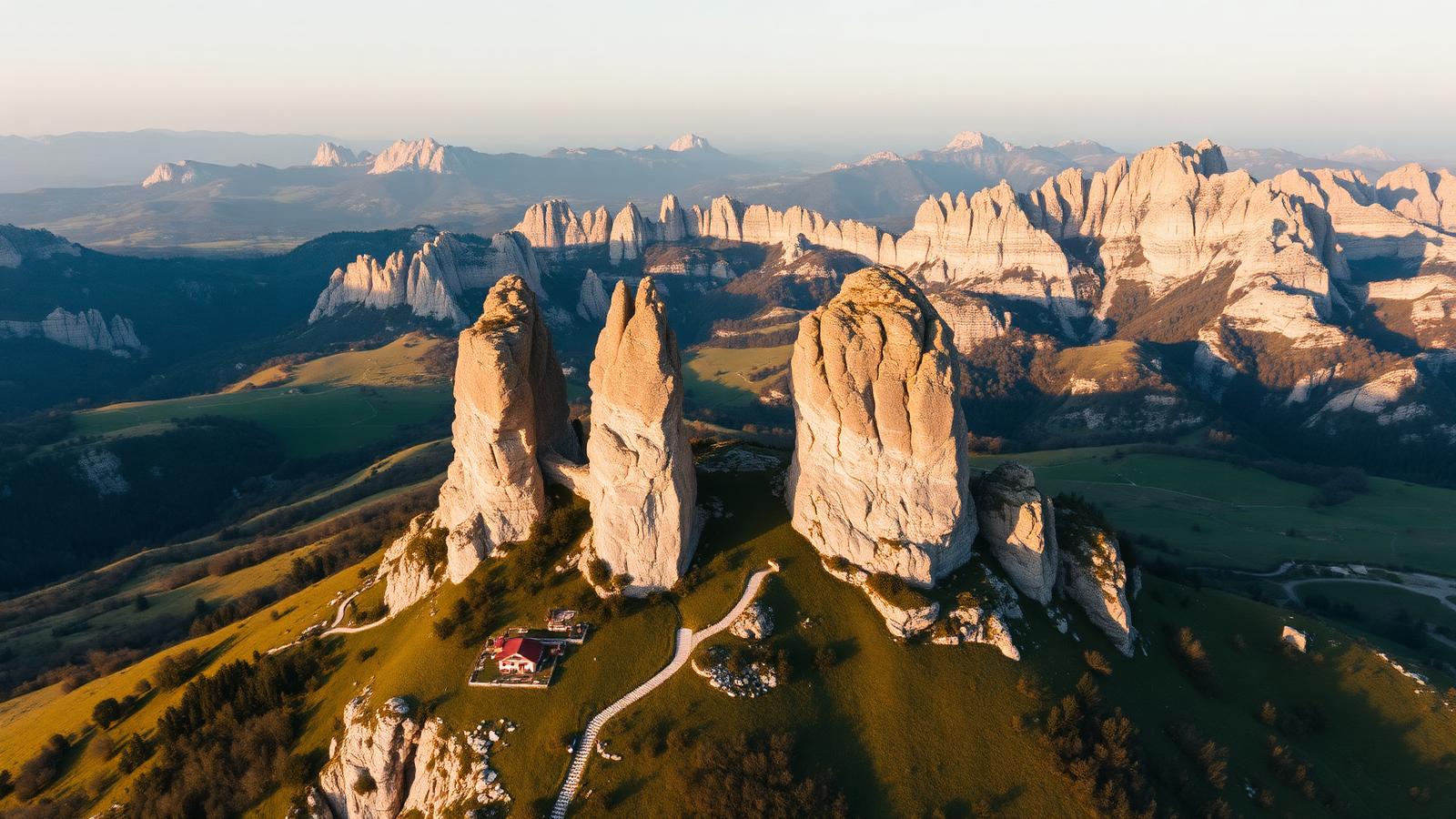
Almost every viewpoint here can be reached in one of two ways: a lift and a short walk, or an hour or two of climbing. The views are not proportional to the effort, which is worth knowing before you commit a morning to one of them.
Which ones are worth the effort
The highest viewpoint is rarely the best one. What makes a view here is having something in front of you — a hut roof, a ridge, a tower — rather than simply being far above the valley floor.
If you have one clear afternoon, I would use a lift and spend the saved energy walking along a ridge rather than up to it.
The viewpoints, and how to reach them
Faloria terrace
cable car from town, best 08:00-10:00 for morning light on Tofane
Passo Giau
SR638 road, 30 min drive, no ticket needed, best at golden hour
Cinque Torri ridge walk
Scoiattoli chairlift, Tofana/Sorella panorama plus WWI trenches
Lagazuoi upper station
cable car from Passo Falzarego, 360° view including the Fanes group
Passo Falzarego roadside pull-off
free, no lift needed, striking view of the Cinque Torri towers themselves
Access, altitude, effort
What you actually see from each
The classic panorama looks down onto Cortina with Tofana on one side and Cristallo on the other, and it is genuinely as good as the photographs suggest. The difference is that in person you notice how much of the valley is forest.
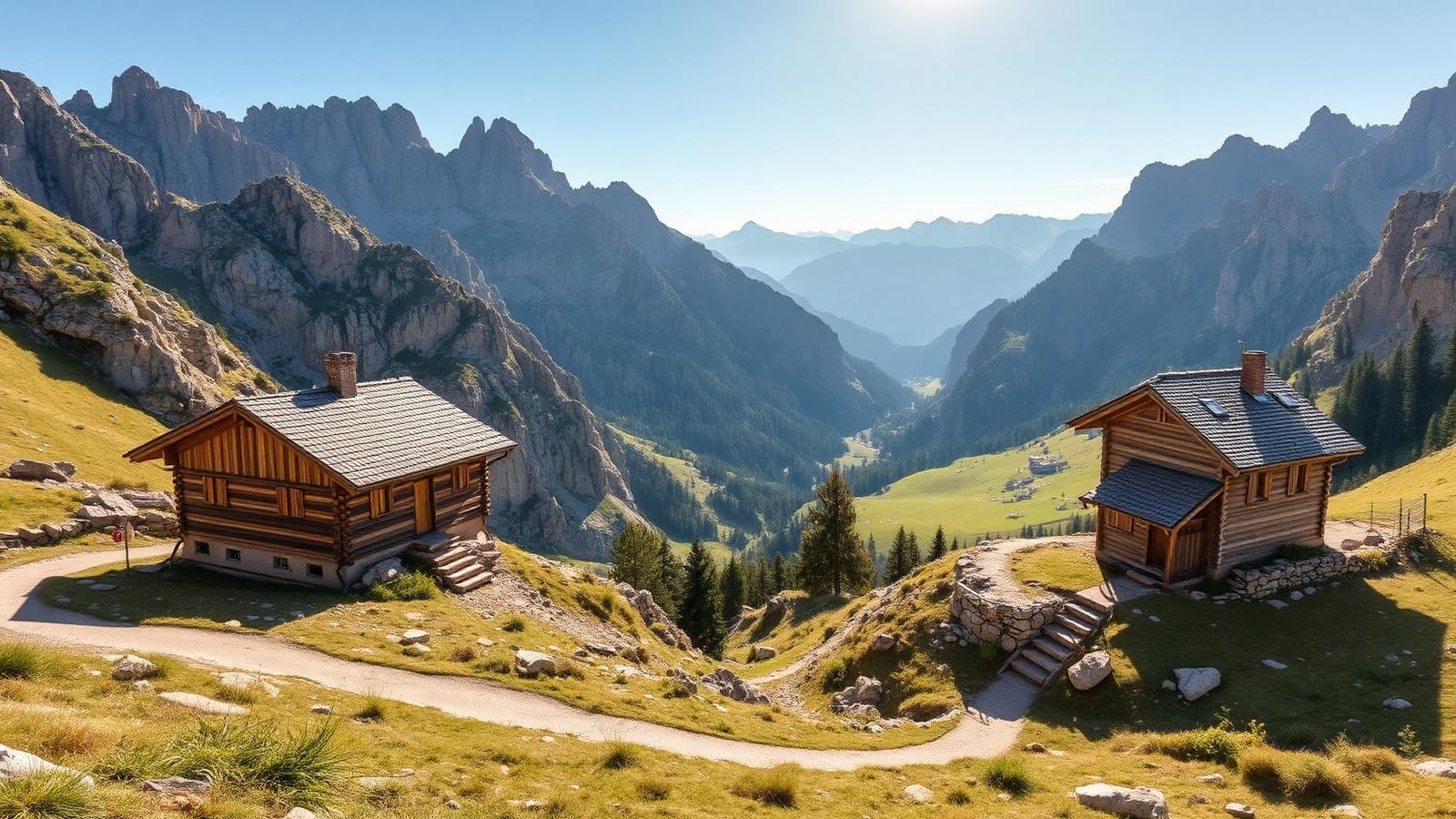
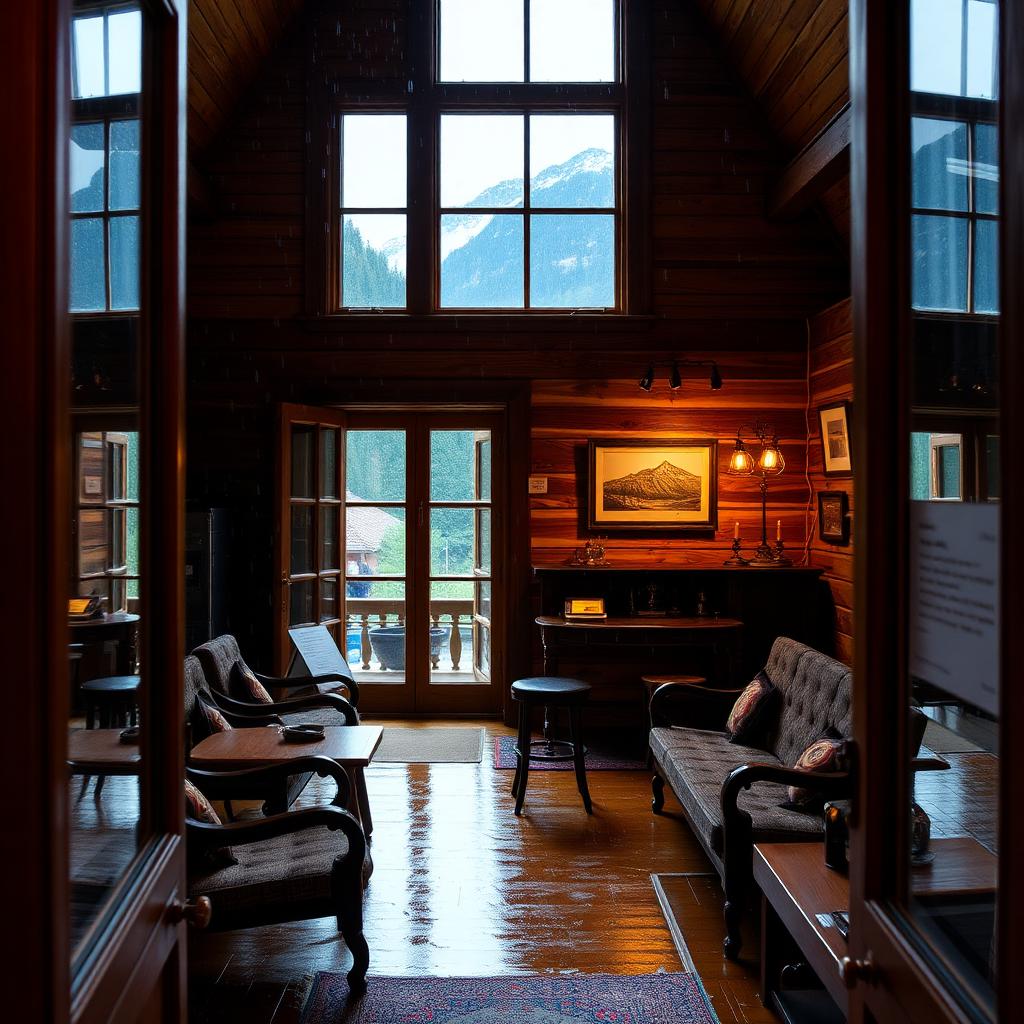
The hut-top viewpoints are a different experience: a 360-degree horizon of pale limestone, an outdoor table, and no sense at all of the town below.
The road passes give you dramatic views for almost no effort, which is useful in bad weather or with tired legs.
Getting up there
Check the last descent before you go up. This is the single most common way a pleasant evening viewpoint turns into a long walk down in the dark.
Light, and when it happens
The pink half-hour on the rock at either end of the day is the reason people come back. It is short — closer to twenty minutes than an hour — so be in position early rather than walking towards it.
Worth the detour
Look back as often as forward; many of Cortina's best compositions sit behind the obvious view.
Best time of day
Late afternoon into evening is my preference. Sunrise is superb and requires a car, a head torch and a level of commitment I would not ask of a first visit.
What to take
Opening periods here change with the season, not the calendar month.
Decide the night before, confirm at breakfast, change it if the ridge is in cloud.
Let children choose one small objective and build the day around it.
Free walks and town museums balance the cost of lift-assisted days.
Easier options with a similar view
In low cloud, drop lower rather than going home. The forest viewpoints and lake shores look better in soft light than the high ridges do.
Frequently asked questions
Which viewpoint needs no lift ticket at all?
Passo Giau and the Passo Falzarego roadside pull-off — both are reachable by car or bus with no additional fee beyond parking.
What's the single best sunrise spot?
Passo Falzarego's approach road, since it faces east toward Tofana and catches first light before the valley floor does.
Is Lagazuoi worth the extra cost over Faloria?
Yes for range — Lagazuoi's WWI tunnel network and its view toward the Fanes group add historical depth Faloria doesn't have.
Can I reach these viewpoints by bus?
SAD lines reach Passo Falzarego and, with the Cinque Torri chairlift, that ridge; Passo Giau has more limited seasonal bus service, so a car or taxi is more reliable.
Which viewpoint is best for photography, not just looking?
Cinque Torri's ridge, since the towers themselves give foreground interest that pure panorama viewpoints like Giau lack.
One viewpoint done at the right hour beats four in flat midday light. Choose by the light, not by the altitude.
Sources & further reading
Plan the next piece
Build a trip, not a checklist.
Pair this guide with a realistic itinerary and a place to stay near the activities you care about most.