Hidden Gems in Cortina Most Visitors Miss
Away from Faloria's queues and the Tre Cime crowds, these are the corners of Cortina that even repeat visitors often walk straight past.
Reviewed by the Cortina Compass desk
Last verified on foot: April 2026 How we research
Very little in this valley is genuinely undiscovered, so this is not a list of secrets. It is a list of places most visitors drive past on the way to the famous ones — quieter, closer, and in several cases better for an ordinary afternoon than the headline destinations.
Why the quiet places are worth a day
Attention here is unevenly distributed. Three or four sites absorb most of the visitors, which leaves whole valleys almost empty on the same August morning.
You are not trading down. You are trading a photograph you have already seen for an afternoon you will actually remember.
The overlooked list
Museo Paleontologico Rinaldo Zardini
€3, one room, genuinely local fossil finds
Lago Ghedina
20-minute walk from the bus, rarely crowded even in August
Ciasa de ra Regoles archive rooms
beyond the main gallery, documents on Ampezzo's ancient communal land rights
Rio Gere back road toward Cristallo
quiet paved lane most drivers skip for the main pass road
Chiesa di Santa Fosca frescoes
small church outside the centre, rarely mentioned in guides
Access and effort
The places that stay quiet
The smaller lakes and the larch woods on the valley's western side are the obvious example — twenty minutes from town, and on a weekday you can have long stretches to yourself.
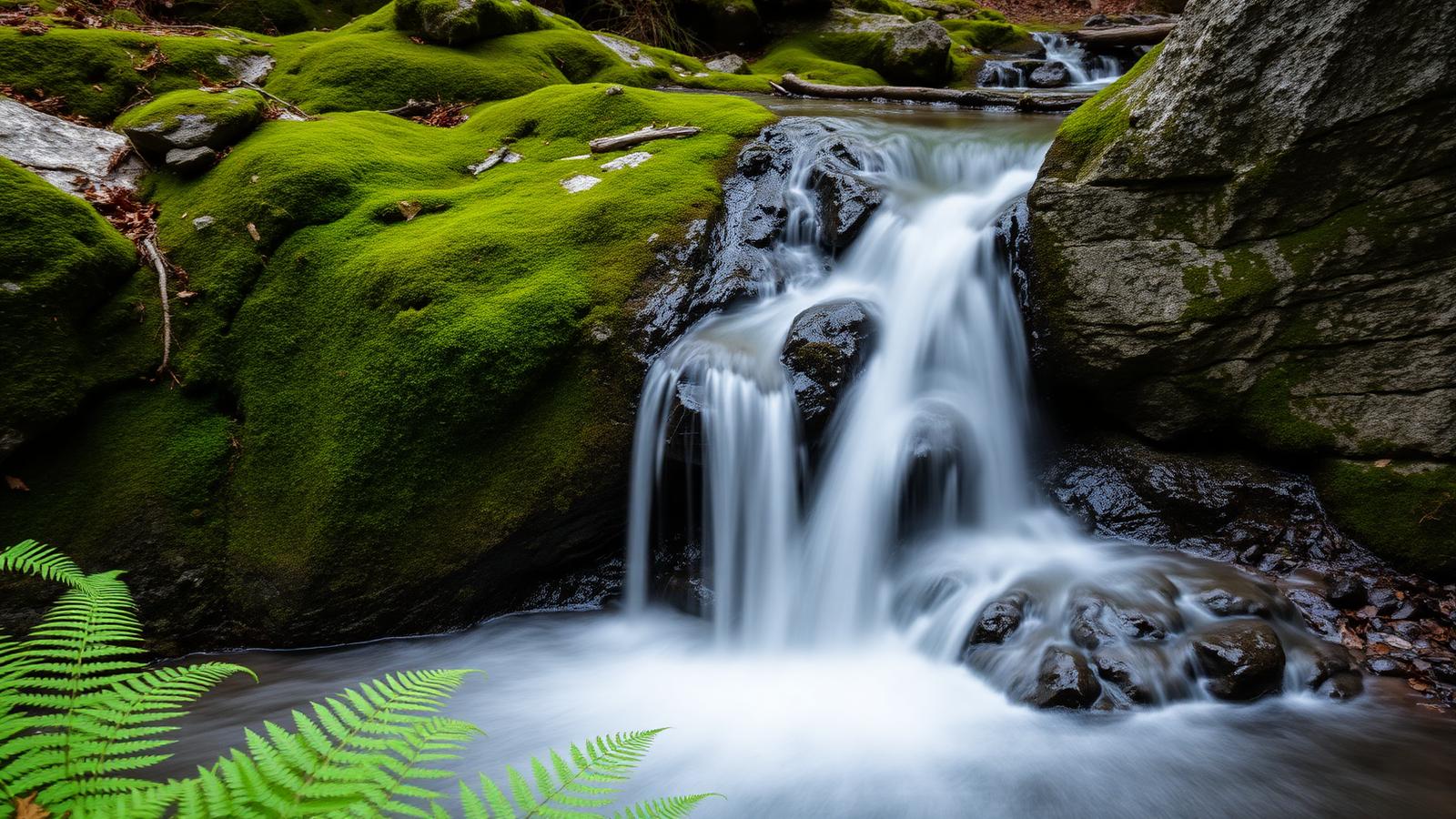
Waterfalls and gorges tucked below the main roads are the other category people miss entirely. They are short walks, cool in high summer, and completely different in character from the high limestone.
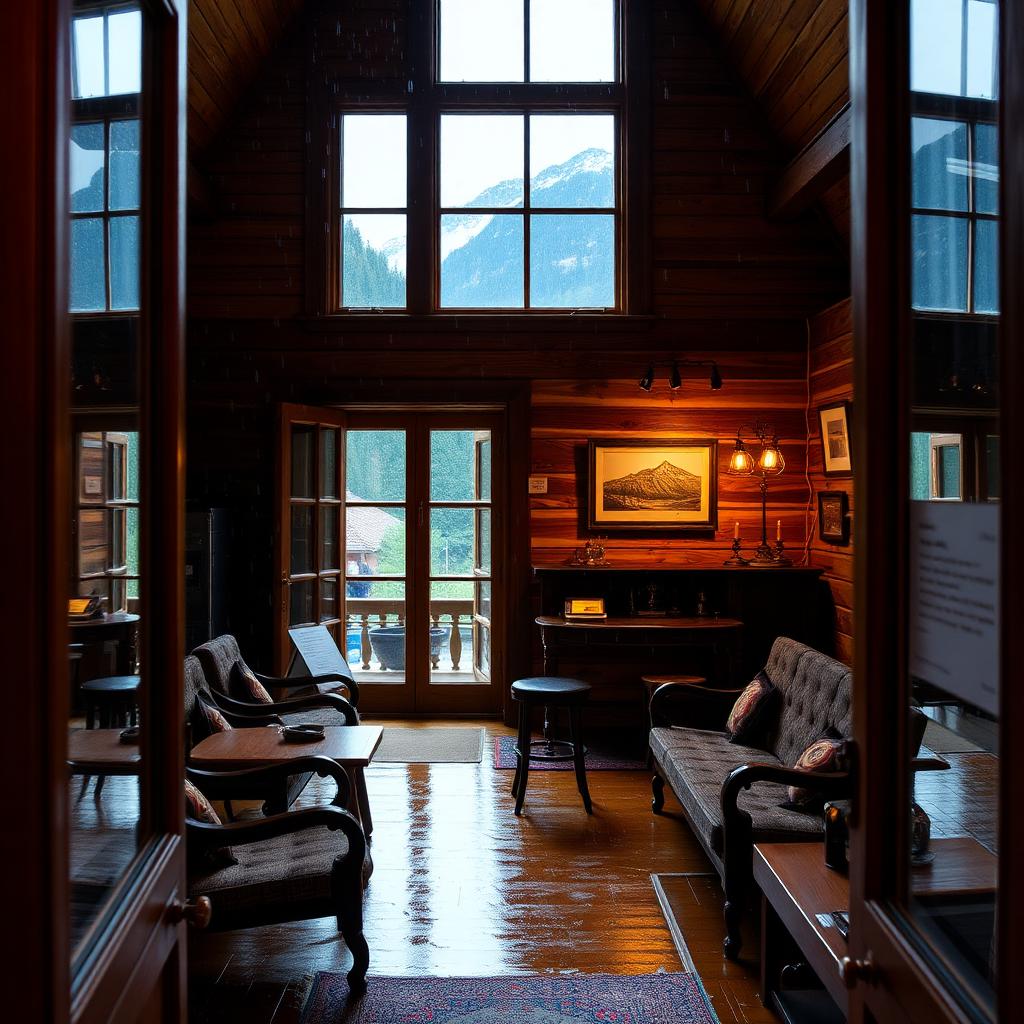
And the working parts of the valley — the hamlets, the hay meadows, the small church at the end of a lane — are more interesting than their lack of signage suggests.
How to reach them
Most of these need either a short bus ride or a ten-minute drive, and none need an early start. That is much of the appeal.
What makes them different
Worth the detour
Look back as often as forward; many of Cortina's best compositions sit behind the obvious view.
When they are at their best
Late afternoon, when the day-trippers have gone and the light drops into the trees. Autumn, if you can choose, when the larches turn and the valley empties.
A note on behaving well
Quiet places stay quiet partly because people are careful with them. Stay on paths, park properly, close gates, and do not treat private meadows as viewpoints.
Opening periods here change with the season, not the calendar month.
Decide the night before, confirm at breakfast, change it if the ridge is in cloud.
Let children choose one small objective and build the day around it.
Free walks and town museums balance the cost of lift-assisted days.
If you would rather see the famous ones
If it is your only visit, do the famous ones — they are famous for a reason. Save this list for the second half of a longer trip, or for the day the main car parks are already full.
Frequently asked questions
Is Lago Ghedina worth it if I've already seen Sorapis?
Yes — it's a completely different, gentler kind of beauty and takes a fraction of the effort, good for a rest-day outing.
Why is the Zardini museum so quiet?
It's small and single-topic, so it gets bypassed by visitors chasing the bigger Rimoldi art collection, but the fossil specimens are unique to the area's geology.
Are these spots accessible without a car?
All of them — Lago Ghedina and Santa Fosca are bus- or foot-accessible, and the museums sit within the town centre.
What time of day suits Lago Ghedina best?
Early morning, before 09:00, for stillest water and best reflections of the Pomagagnon ridge.
Do locals actually go to these places?
Yes — Ghedina in particular is where Cortina families take a Sunday walk rather than joining the tourist trail to Sorapis.
Half a day in an unremarkable side valley often ends up being the part of a Cortina trip people talk about. Leave room for one.
Sources & further reading
Plan the next piece
Build a trip, not a checklist.
Pair this guide with a realistic itinerary and a place to stay near the activities you care about most.