Alta Via 1 From Cortina: Planning Guide
A field-tested guide to alta via 1 from cortina: planning guide, with honest logistics, current planning advice, and the small details that make a Dolomites trip run smoothly.
Reviewed by the Cortina Compass desk
Last verified on foot: June 2026 How we research
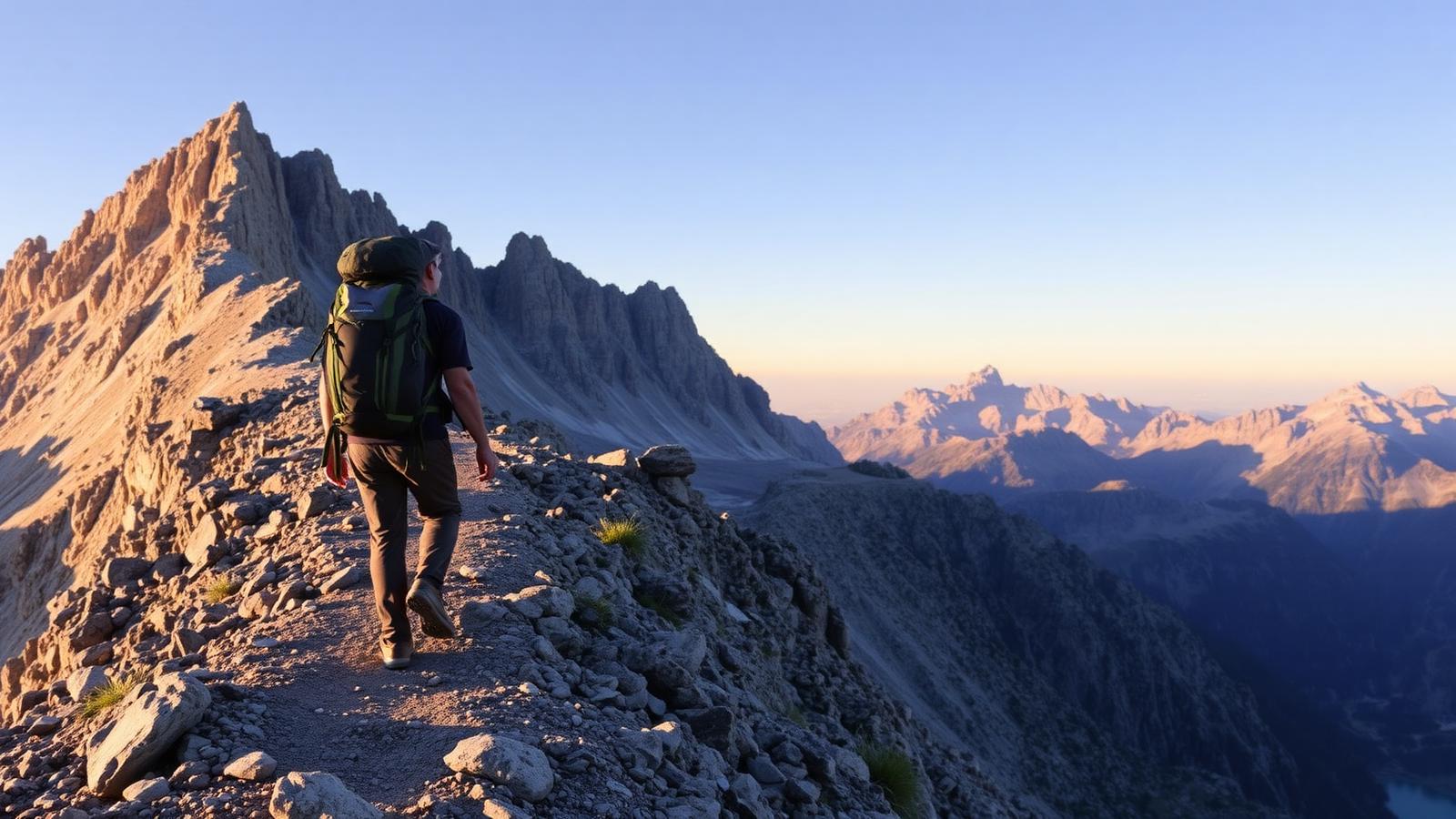
Alta Via 1 runs from Lago di Braies to Belluno, and Cortina sits close enough to its middle that plenty of people join or leave it here. The walking is not the difficult part. Booking the huts is.
The route, and where Cortina fits
The full traverse takes most walkers ten to twelve days, covering about 120 kilometres with something like 6,500 metres of ascent. It's a hut-to-hut route, so you carry a light pack — no tent, no stove, no more than two days of food.
Cortina is the obvious mid-route resupply and rest point. Some people walk the northern half from Braies and finish here; others start here and go south into the wilder Belluno stages.
The Cortina stages worth doing even without the full ten days
Passo Cimabanche start (day 4 section)
Where the Cortina-adjacent stages of the AV1 begin for section hikers.
Rifugio Città di Fiume
A quiet overnight below the Fanes plateau with limited crowd compared to the AV1's southern stages.
Rifugio Coldai
Directly below Civetta's north wall, one of the trek's most photographed nights.
Rifugio Tissi
Perched on a ledge with a sunset over the Civetta group that regulars plan their itinerary around.
Days, stages and honest daily loads
A typical day is five to seven hours of walking with 600 to 1,000 metres of climbing. That's manageable on day one and cumulative by day six. Build a rest day in around the Cortina area rather than at the end, when you'll no longer need it.
Stage planning from a Cortina base
Northern half: Braies, Sennes, Fanes and down towards the Falzarego area. It's gentler, greener and busier, with well-spaced huts and plenty of escape routes to roads. Southern half: Nuvolau, Cinque Torri, Città di Fiume, Coldai, Vazzoler and on into the Schiara. Higher commitment, fewer bail-outs, better solitude.
If you only have a long weekend, the stages between Rifugio Nuvolau and Rifugio Coldai are the ones I'd choose — big terrain, good huts, and reachable from Cortina by bus at both ends.
The sections people remember
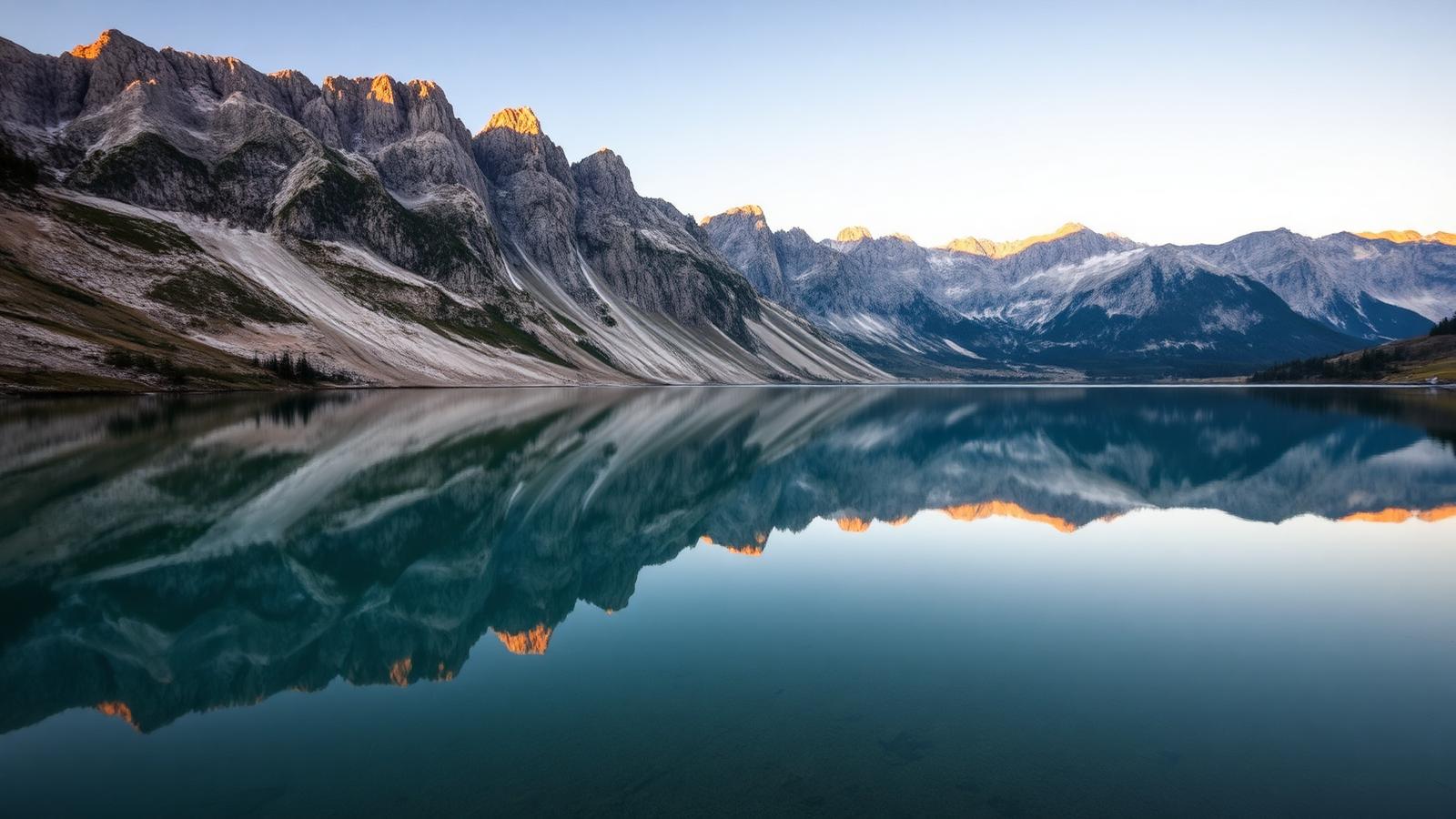
The stretch under the Civetta wall on the way to Coldai is the single most impressive hour of the route. Nuvolau's terrace at sunset is the other, and it's one of the few huts on AV1 where you should specifically try to sleep rather than pass through.
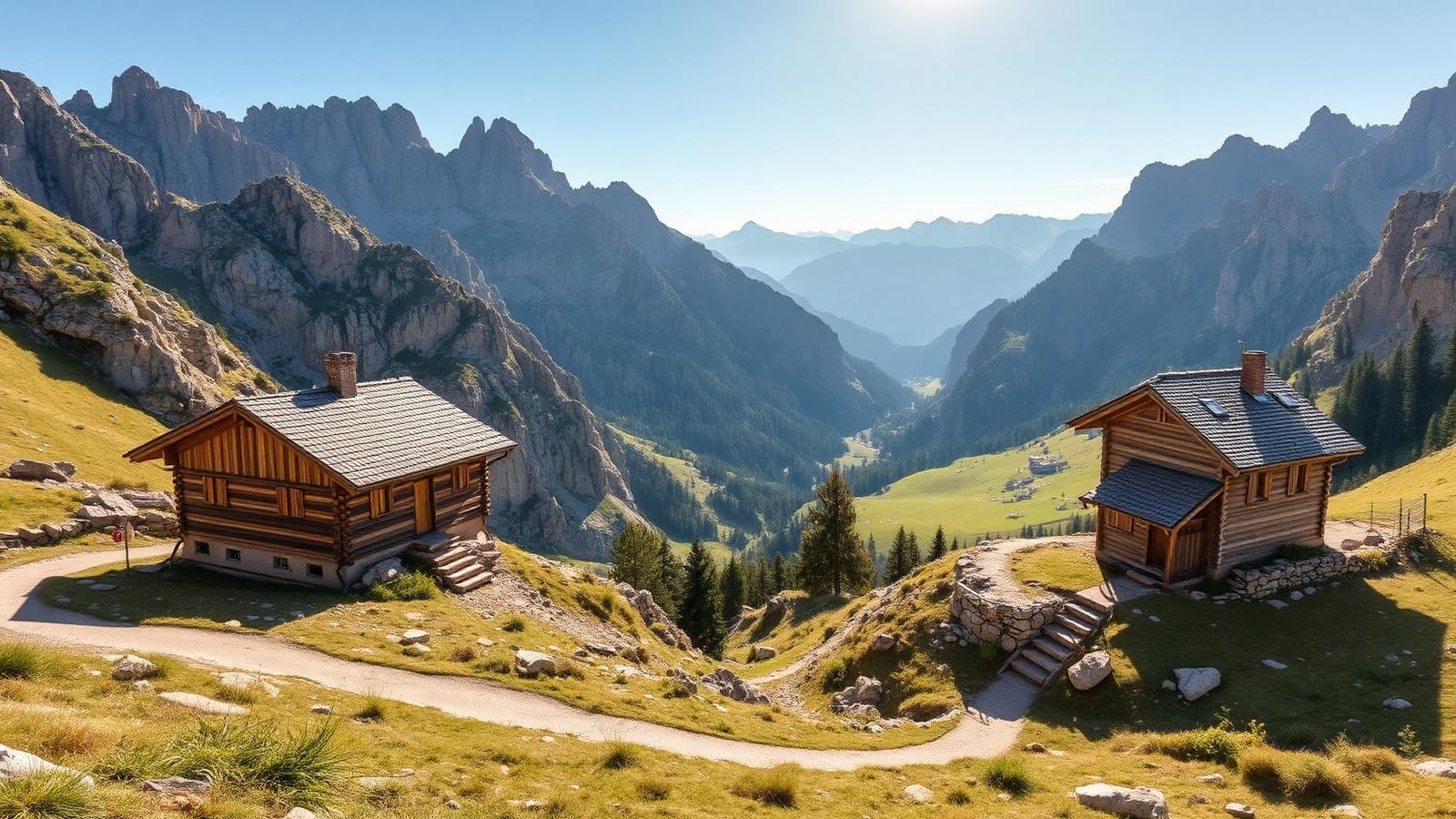
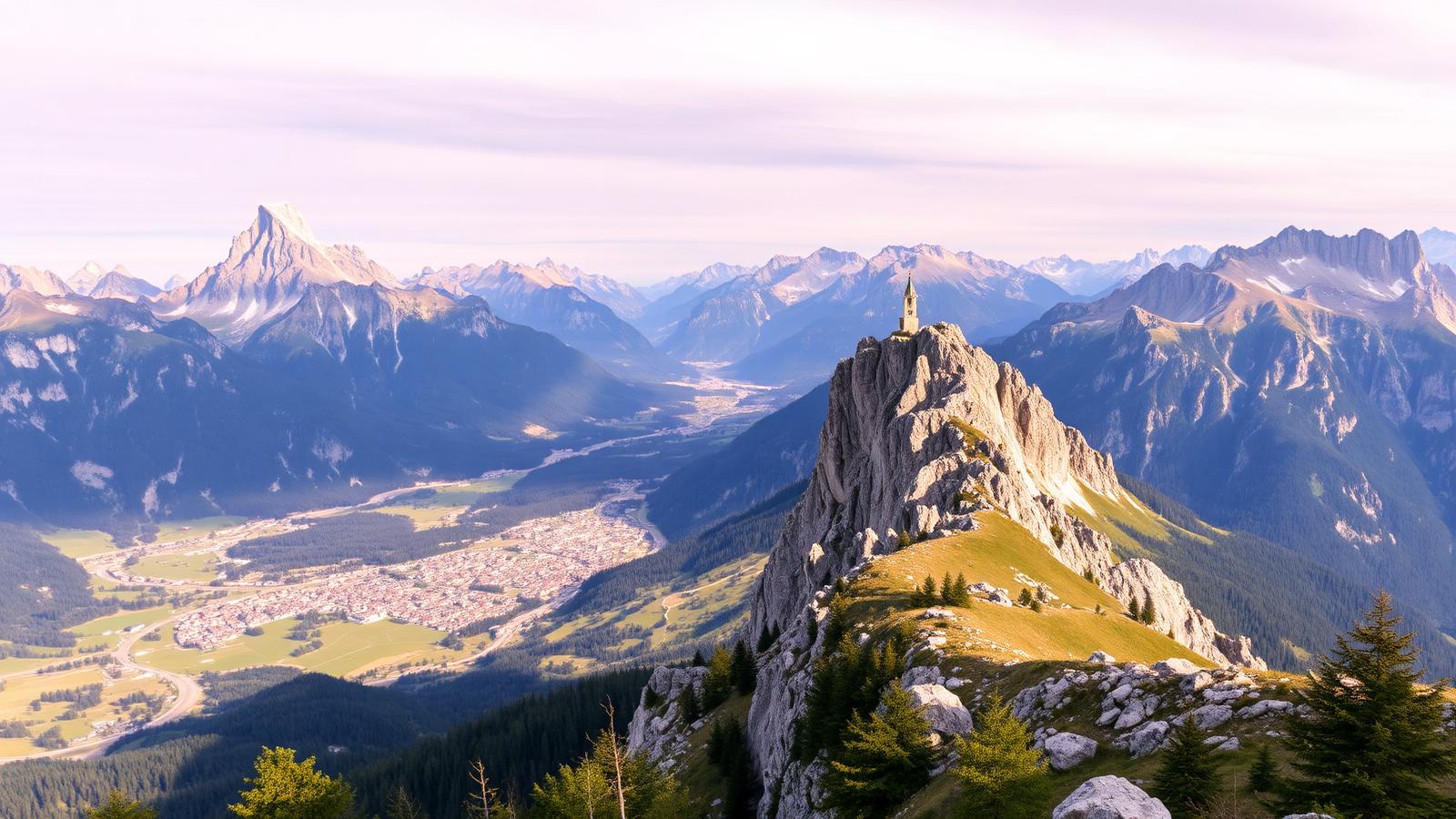
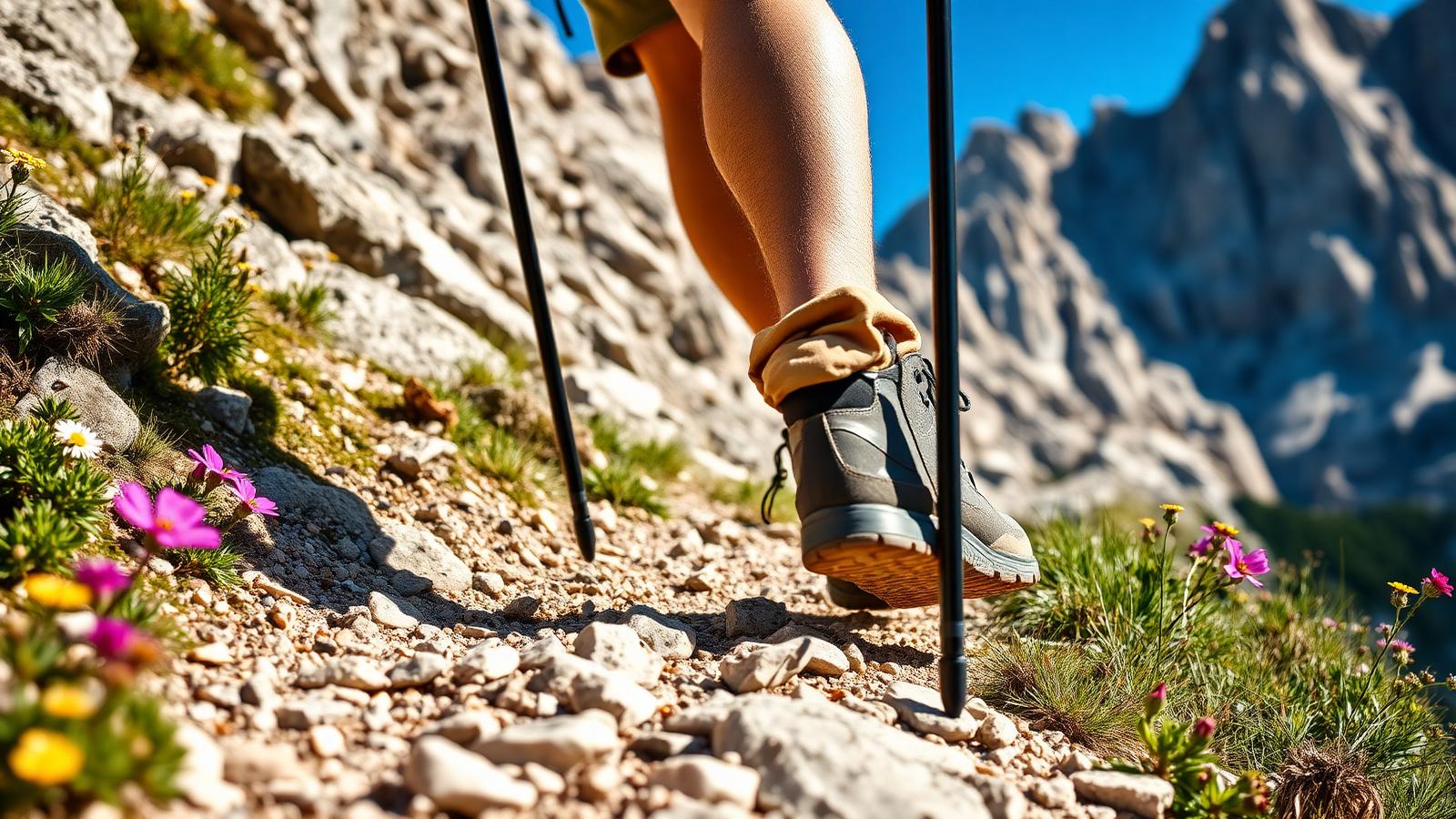
Season, snow and hut opening
Huts open roughly from the third week of June to the third week of September, and the route is generally clear of problem snow from early July. Booking opens in spring and the popular huts — Nuvolau, Lagazuoi, Coldai — fill within days. If you haven't booked by April for August, redesign your stages around what's left.
Cash for huts, a sleeping-bag liner, and a plan for what happens if a stage is closed. Storms can shut a high traverse for a day, and improvising with no beds booked is how trips fall apart.
Safety note
Skip exposed ground if storms are forecast. Deciding not to continue is a normal part of walking here, not a failure.
What I'd change about my own trip
I front-loaded my mileage and paid for it. Days one and two were long because I felt strong; by day five I was walking the last hour of each stage on autopilot and stopped noticing the mountains, which rather defeats the object. Next time: shorter early stages, and a deliberate half day at Nuvolau.
My tip
Book huts on refuges.io the moment reservations open (typically mid-January for the following summer). Rifugio Tissi, Rifugio Coldai and Rifugio Averau all sell out for July within 48 hours of opening.
Travelling light with a camera
Every gram counts over eleven days. One body, one lens, a spare battery and a cloth. I've never regretted leaving the tripod behind, and I've regretted carrying one twice.
Shorter ways to taste it
Two- or three-day sections out of Cortina give you a genuine sense of the route without the booking marathon. Fanes to Lagazuoi, or Nuvolau down to Città di Fiume, both work as standalone trips with bus access at each end.
Teenagers who walk regularly manage it well. It's the consecutive days rather than any single stage that decide whether it works.
Do not treat a cable car as a guaranteed ride home. Note the final descent before setting off.
Half board in a dormitory runs roughly €60 to €75 a night. CAI membership cuts the bed portion substantially and pays for itself in about four nights.
Days 4-6 pass through the Cortina area (Rifugio Città di Fiume, Rifugio Coldai, Rifugio Tissi). Most walkers take a rest day in Cortina between day 5 and day 6 to resupply, do laundry and eat something not-fried.
Sectioning the classic
Walkers who can't commit to the full ten-day traverse from Lago di Braies to Belluno often carve out days four to six, Passo Cimabanche to Passo Duran, as a self-contained three-day sampler; return transport via Agordo and Belluno back to Cortina takes about two and a half hours by bus and train combined.
Frequently asked questions
What fitness does the full Alta Via 1 demand?
Fit enough for 6-8 hours of walking per day with 800-1,200 m of ascent, carrying 8-10 kg, for ten consecutive days. Do at least three full training days at that load before departing.
Is a guide required?
No. The AV1 is fully waymarked (red-white with the number 1). A guide is worth it only if you want to add via ferrata variants or lack experience with hut protocols.
Best time to walk Alta Via 1?
Second half of July to early September. Earlier and you hit snowfields on the north traverses; later and huts start closing on 20 September.
How much cash do I need?
Budget €90-110 per day for half-board at rifugi. Total for the 10-day trip: €900-1,100 including a Cortina rest day, excluding transport.
Can I do it in sections?
Yes. The Cortina-based section (days 4-6, Passo Cimabanche to Passo Duran) is a fine 3-day sampler with return transport via Agordo and Belluno.
Book the huts before you plan anything else, keep the early stages short, and leave a day spare for weather. The walking will look after itself.
Sources & further reading
Plan the next piece
Build a trip, not a checklist.
Pair this guide with a realistic itinerary and a place to stay near the activities you care about most.