Best Photography Locations Around Cortina
Ten shooting positions around Cortina ranked by how the light actually behaves there — Tofana, Cinque Torri, Lago Federa, Pocol — not by Instagram density.
Reviewed by the Cortina Compass desk
Last verified on foot: June 2026 How we research
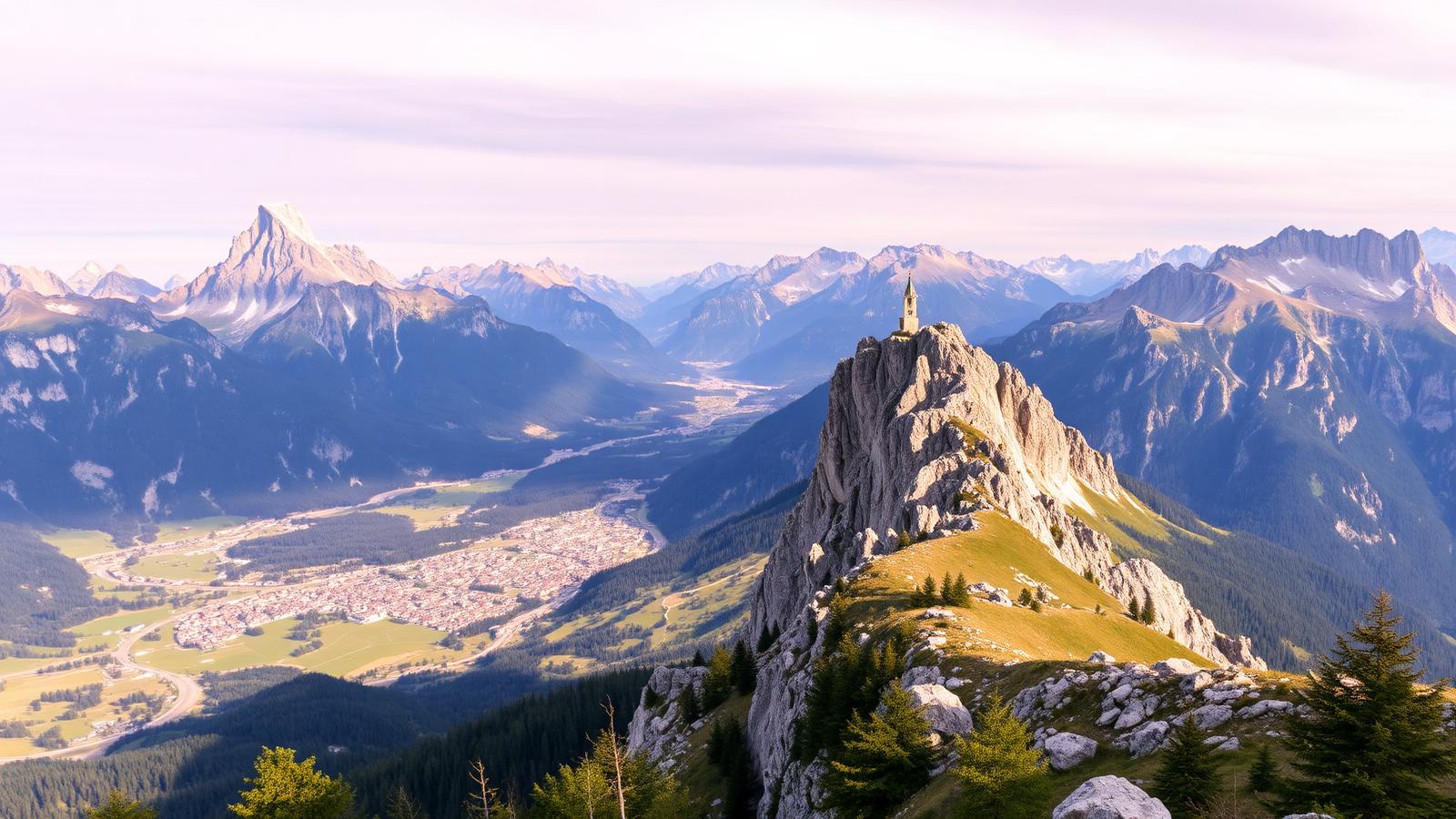
The Dolomites are generous with photographers but stingy with time — enrosadira lasts minutes, not hours, and the best foregrounds are almost always five minutes further than the parking sign suggests. These notes on best photography locations around cortina are the ones I wish I had before my first sunrise here.
I have kept the logistics at the top and the opinions clearly labelled, so you can skim for facts or settle in for the reasoning.
Why this location works
After a decade hauling a tripod up these same paths in every season, I've stopped chasing the location everyone else is standing at and started chasing the fifteen minutes each place is actually good for.
Where I actually set up the tripod
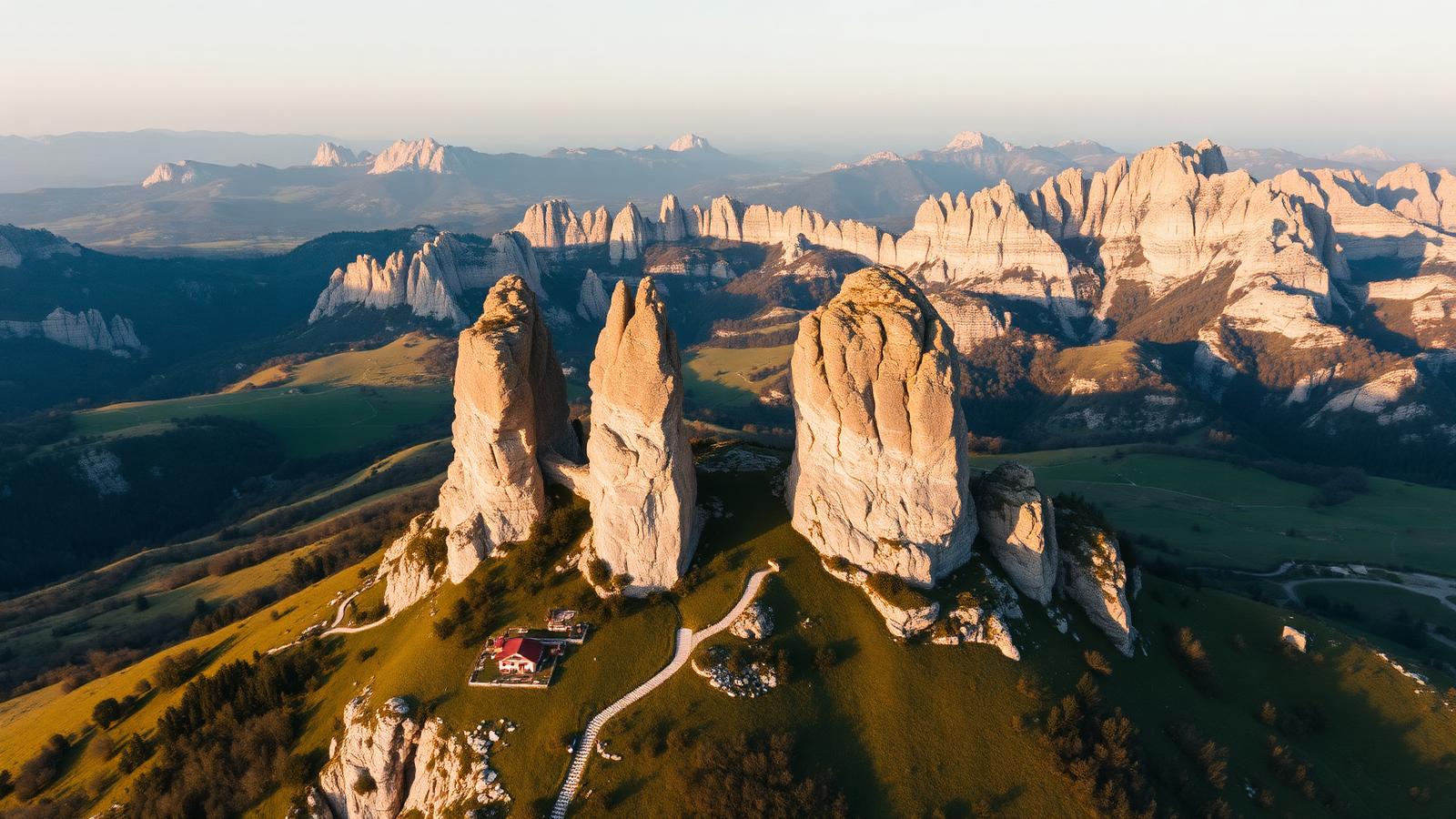
Cinque Torri from Rifugio Scoiattoli terrace
West-facing; best 20 minutes after sunset when the towers hold pink and Tofana goes purple behind. 24-70mm.
Passo Giau with Ra Gusela spire
Sunrise, east light hits Nuvolau ridge first; shoot from the road bend below the pass with a 70-200mm to stack Ra Gusela against Nuvolau.
Lago Federa dawn reflection
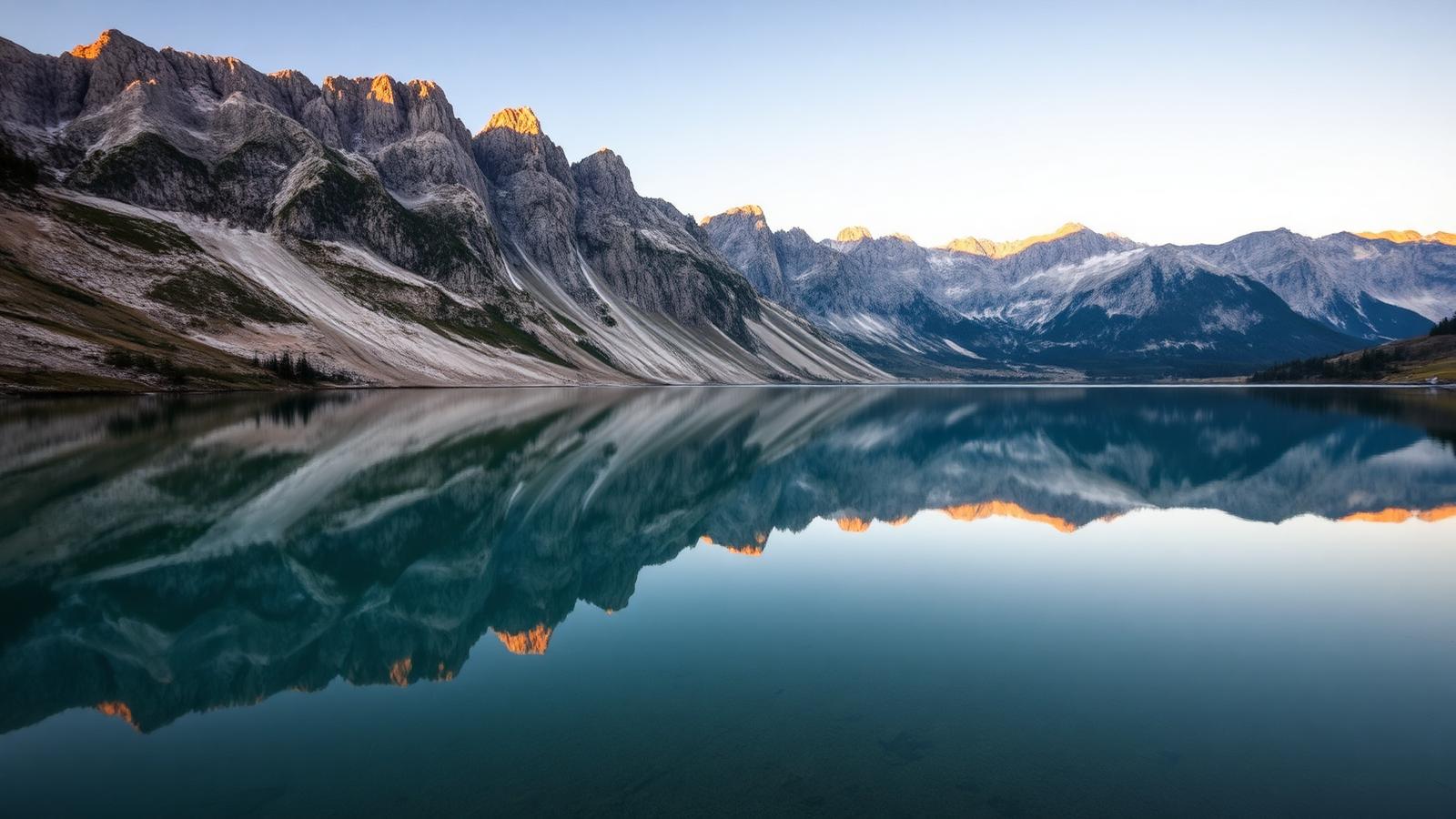
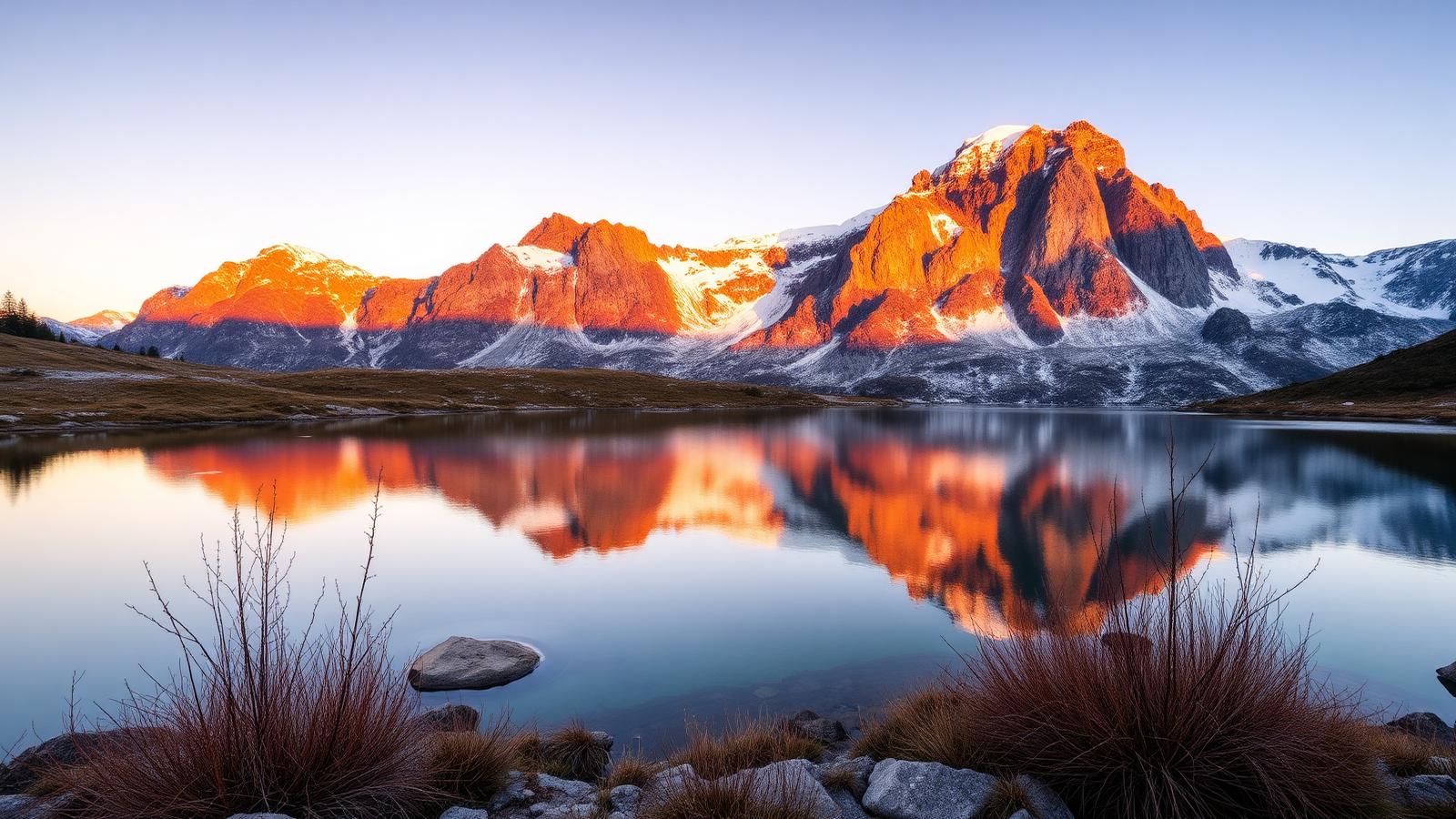
Croda da Lago's east face lights up at first sun; arrive 45 minutes before sunrise for still water. 16-35mm low and wide.
Lagazuoi terrace at last light
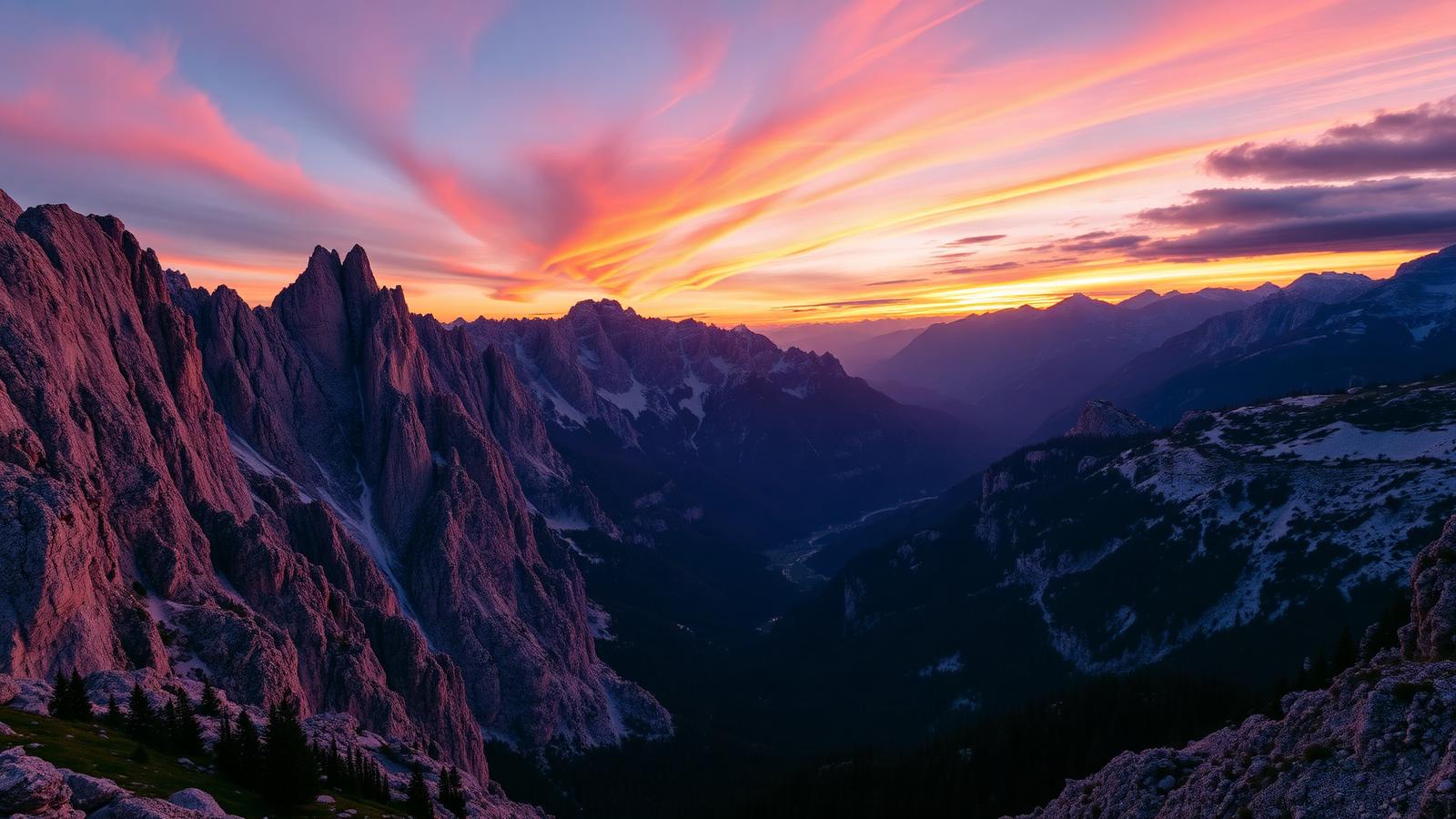
West-facing balcony over the Falzarego valley; the whole Tofana massif goes red simultaneously here. 24-70mm.
Lago di Ghedina still-water shot
Sheltered woodland lake, calm most mornings before 8am; reflects Cristallo's pink flank. 35mm.
Tre Cime from Rifugio Locatelli
North face catches nothing at sunrise but glows orange-gold at sunset in July; 16-35mm for the classic three-peak-plus-lake frame at Lago dei Piani nearby.
Mietres meadow with Tofane backdrop
Easy 10-minute walk from the chairlift; foreground haybarns work with a 35mm at golden hour, no scramble required.
Light windows and enrosadira
The famous alpenglow — enrosadira — happens twice a day and lasts minutes, not hours. Arrive in the dark, compose in the blue hour, and be ready when the first light hits the ridge. Missing it by five minutes is missing it entirely.
Gear that actually earns its place
Compositions worth working for
The obvious frame is not always the best one. Walk past the marked viewpoint; low foregrounds — grass, rocks, larch branches — anchor the image and make the wall behind feel like a place rather than a wallpaper. Expose for the bright rock and lift shadows in post-processing.
Access and ethics
Photographer's code
Stay on marked paths. Do not fly drones in national park zones or over people. Ask before photographing shepherds, staff, or private property. The pictures you regret are the ones you took at someone else's expense.
Post-processing notes
Dolomite rock is bright; expose for the highlights and lift shadows in post. Avoid the oversaturated pink-orange preset that flattens the actual gradient of alpenglow. Trust the file more than the memory.
How enrosadira differs between Tofana and Sorapis
Tofana di Rozes, seen from Pocol or Lagazuoi, catches evening enrosadira hard and fast — the dolomite there is paler and more exposed, so the colour shift from white to salmon to deep red happens in a tight 10-12 minute window right at sunset, then drops to grey almost immediately once the sun clears the ridge behind you.
Sorapis and the Croda da Lago group, both east-facing, behave more gently at dawn. Because you're shooting into low, warm morning light rather than watching a sunset recede, the pink stage holds slightly longer, sometimes 15 minutes, and the transition is smoother because there's less contrast between lit rock and a darkening sky. If you only have one shoot in you, the eastern faces are more forgiving of a slightly late arrival.
Frequently asked questions
What's the single best all-round location if I only have one evening?
Rifugio Scoiattoli at Cinque Torri — ten minutes from the chairlift, west-facing for sunset enrosadira on Tofana, and interesting foreground (the WWI towers) even if the sky doesn't perform.
Do I need a polariser for these shots?
Yes for midday water and foliage shots at Lago Federa or Ghedina, but skip it during enrosadira — a polariser can dull the very colour shift you're there to capture on the rock.
Is a tripod actually necessary or can I hand-hold?
For the 20 minutes after sunset or before sunrise when the towers are still lit but the foreground is dim, you're often shooting at 1/4s to 1s — a tripod is not optional if you want a sharp foreground.
Which locations work even in flat, overcast light?
Lago Federa and Lago di Ghedina still deliver, since reflections and pine cover carry the composition without needing dramatic peak light.
How do I avoid other photographers in my frame at the popular spots?
Arrive at Cinque Torri or Passo Giau at least 30 minutes before the advertised sunrise/sunset time — the crowd shows up in the last ten minutes and mostly stands in the same three spots you'd choose.
Arrive early, walk further, protect the ground, and let the light do most of the work.
Sources & further reading
Plan the next piece
Build a trip, not a checklist.
Pair this guide with a realistic itinerary and a place to stay near the activities you care about most.