Cortina Photography Itinerary
A sequenced two-day shooting plan around Cortina — dawn at Federa, midday at Cinque Torri, sunset at Pocol — built around which face of the mountains the light hits when.
Reviewed by the Cortina Compass desk
Last verified on foot: May 2026 How we research
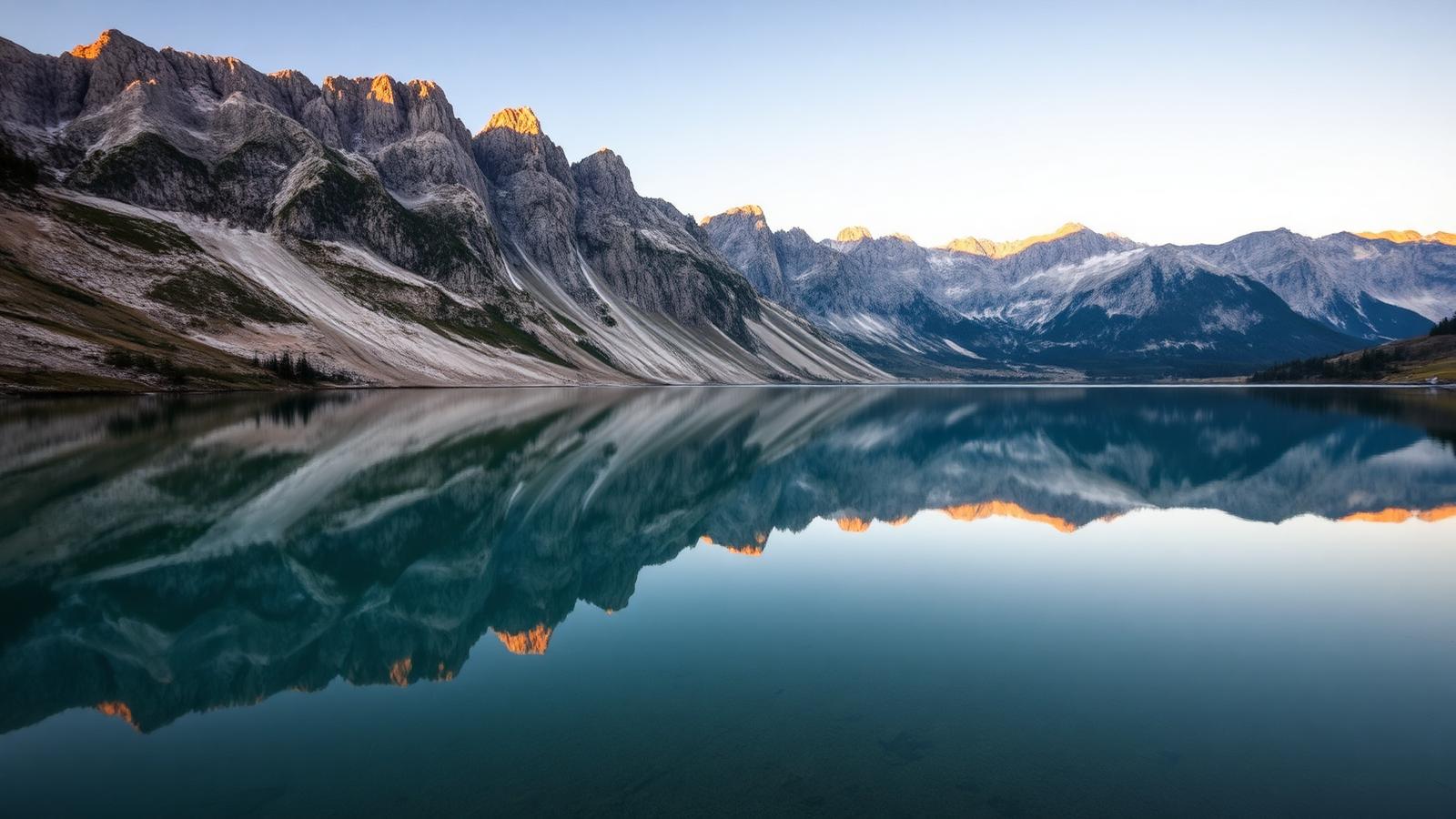
The Dolomites are generous with photographers but stingy with time — enrosadira lasts minutes, not hours, and the best foregrounds are almost always five minutes further than the parking sign suggests. These notes on cortina photography itinerary are the ones I wish I had before my first sunrise here.
Where numbers appear — times, prices, distances — they are the ones I would plan against myself, not the optimistic version printed on signboards.
Why this location works
The mistake most visiting photographers make is treating Cortina as a list of locations rather than a schedule — the mountains here only face one direction each, so your itinerary has to be built around light geometry, not convenience.
The two-day running order
Day 1, 04:00-06:30 — Lago Federa dawn
East light on Croda da Lago; 16-35mm for the reflection, arrive 45 min before sunrise.
Day 1, 11:00-16:00 — rest and travel block
Drive from Ronch toward Falzarego, lunch at a rifugio, review and back up the morning's cards.
Day 1, sunset — Pocol
West light on the full Tofana wall; 24-70mm, arrive an hour before sunset to scout foreground.
Day 2, dawn — Passo Giau
East light on Ra Gusela and Nuvolau; 70-200mm from the road bend below the summit lot.
Day 2, midday — Cinque Torri museum walk
Flat light suits the WWI trench detail shots rather than landscape wides; 35mm for documentary frames.
Day 2, sunset — Rifugio Scoiattoli terrace
West-facing final light on the towers and Tofana together; 24-70mm, stay until the afterglow fades.
Light windows and enrosadira
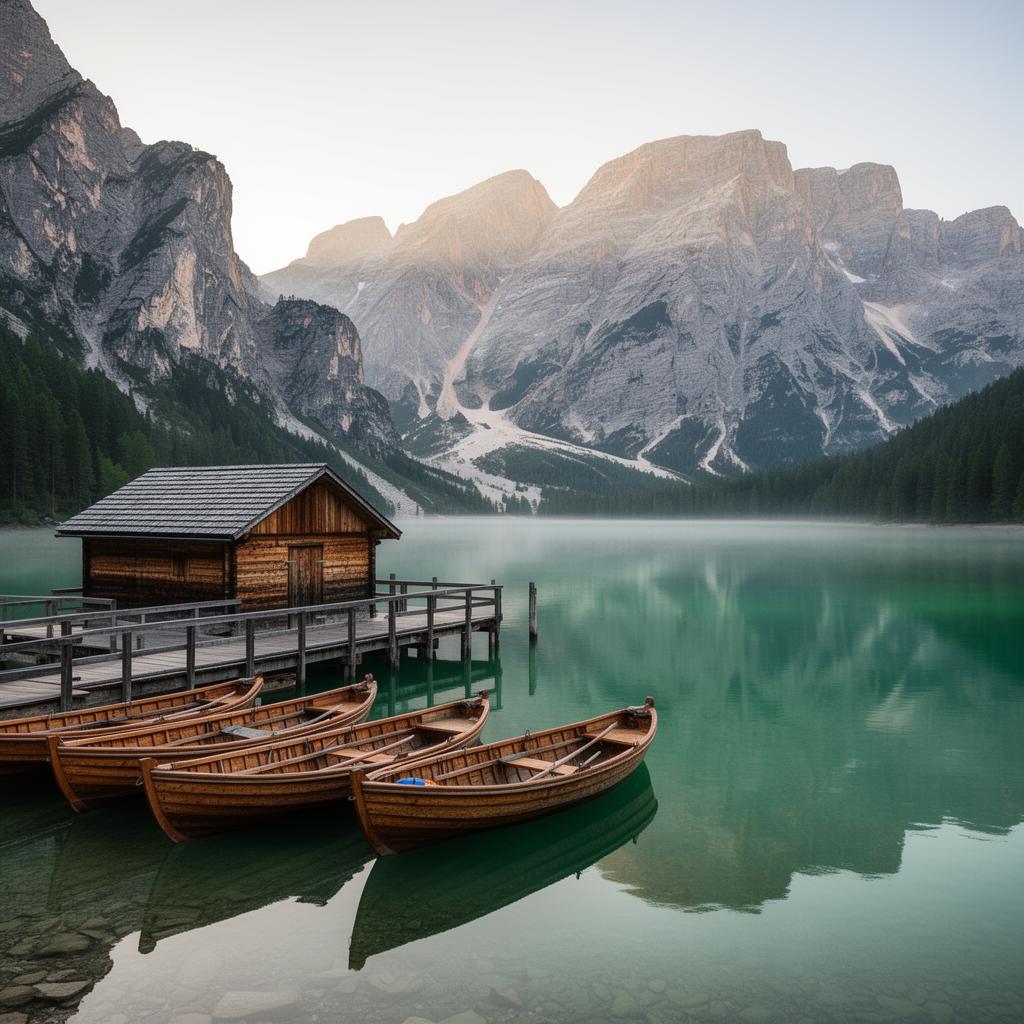
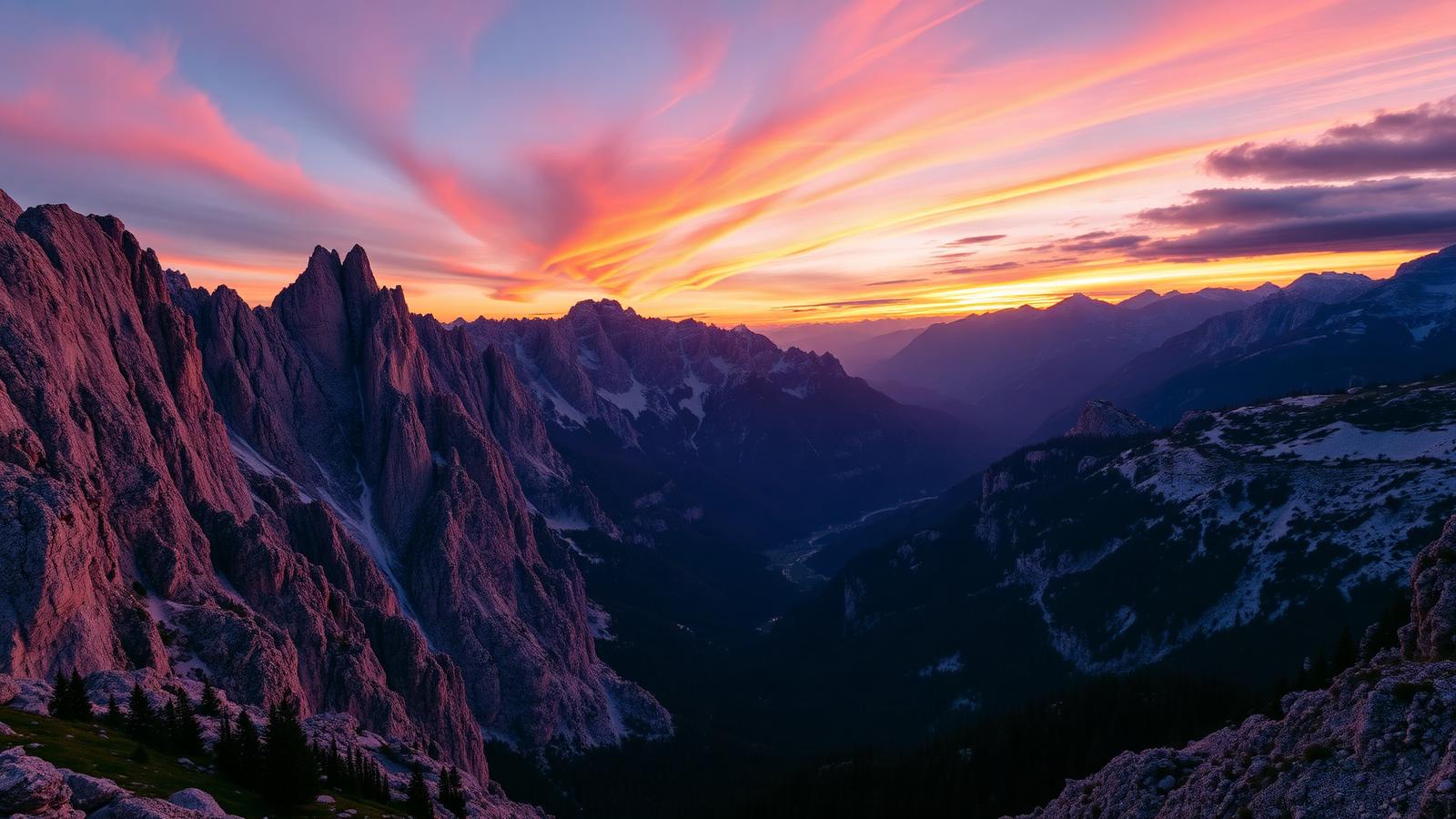
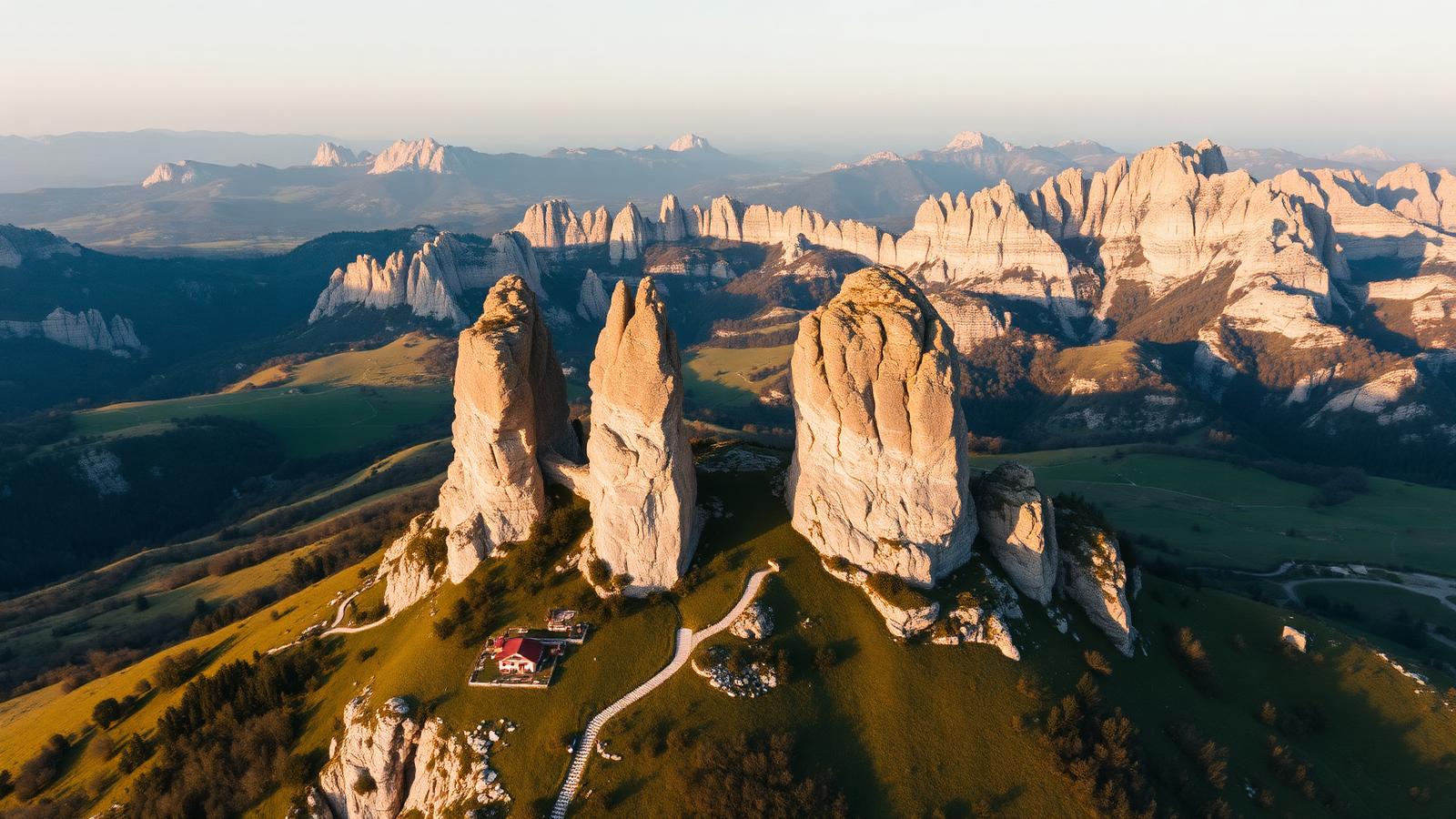
The famous alpenglow — enrosadira — happens twice a day and lasts minutes, not hours. Arrive in the dark, compose in the blue hour, and be ready when the first light hits the ridge. Missing it by five minutes is missing it entirely.
Gear that actually earns its place
Compositions worth working for
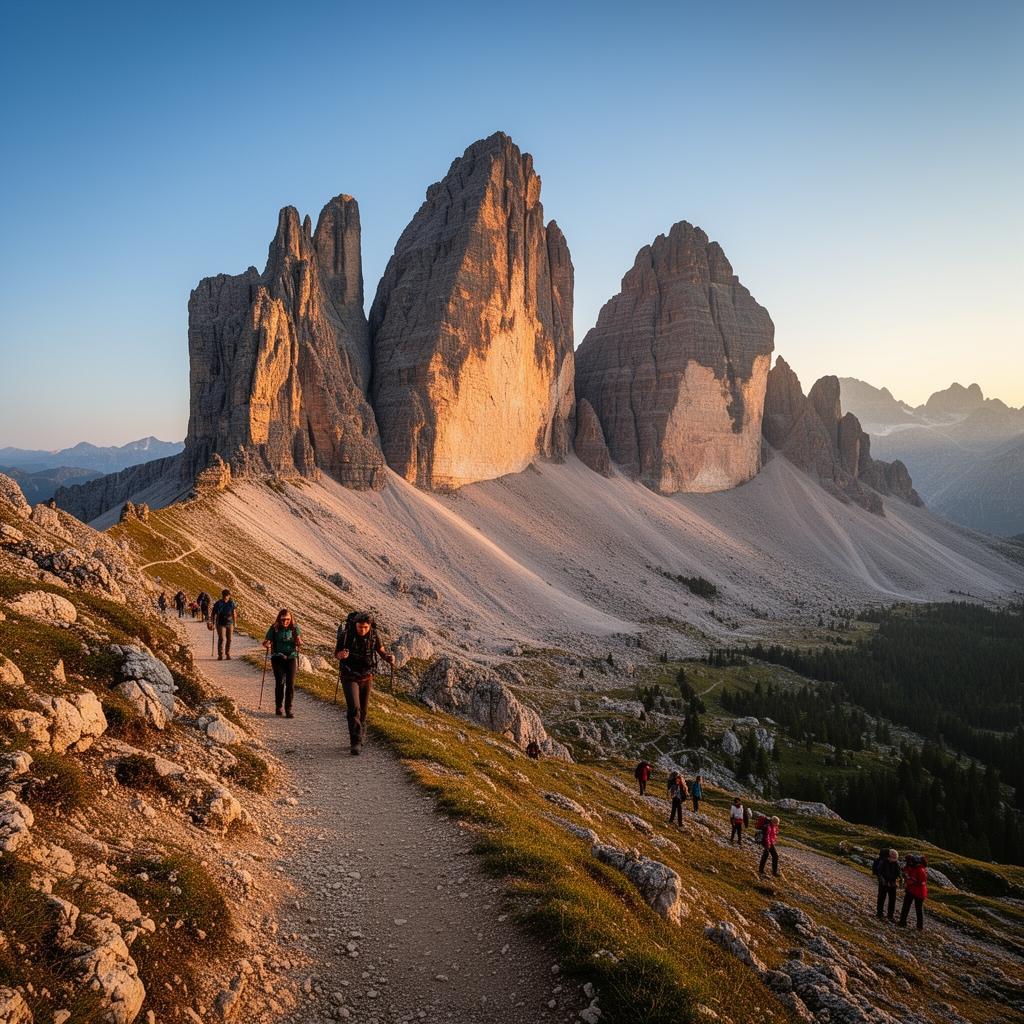
The obvious frame is not always the best one. Walk past the marked viewpoint; low foregrounds — grass, rocks, larch branches — anchor the image and make the wall behind feel like a place rather than a wallpaper. Expose for the bright rock and lift shadows in post-processing.
Access and ethics
Photographer's code
Stay on marked paths. Do not fly drones in national park zones or over people. Ask before photographing shepherds, staff, or private property. The pictures you regret are the ones you took at someone else's expense.
Post-processing notes
Dolomite rock is bright; expose for the highlights and lift shadows in post. Avoid the oversaturated pink-orange preset that flattens the actual gradient of alpenglow. Trust the file more than the memory.
Why the sequence is built east-then-west, twice
Every location on this plan is chosen for the direction it faces, not for its fame. Day 1 opens at Lago Federa because Croda da Lago faces almost due east and needs a punishing pre-dawn walk-in that's easiest to do fresh, on the first morning, rather than after a full day of shooting. The Pocol sunset that evening then flips to the opposite side of the valley, using the same daylight hours efficiently instead of backtracking.
Day 2 repeats the pattern at higher altitude and with less walking — Passo Giau's dawn needs no hike at all, just a drive to altitude, which suits a second morning when legs are tired from the Federa approach. Ending both days at a west-facing terrace (Pocol, then Scoiattoli) means you're never rushing downhill in fading light, which matters more on unfamiliar Dolomites paths than most itineraries admit.
Frequently asked questions
Is this itinerary realistic without a car?
Not comfortably — Ronch, Passo Giau and Passo Falzarego are all outside easy pre-dawn bus service, so a rental car or taxi is close to essential for this specific two-day sequence.
Could I compress this into one day?
You'd have to drop either the Federa dawn or the Passo Giau dawn, since both need dedicated early starts in different directions — trying both mornings in one day means almost no sleep and a genuinely unsafe drive.
What's the fallback if Day 1 dawn is clouded out?
Swap in a slower, easier session at Lago di Ghedina instead — it's close to town, requires no headtorch walk-in, and still gives a usable reflection shot even under soft light.
How much should I budget for chairlifts and toll roads across these two days?
Figure on the Scoiattoli chairlift return fare plus fuel for the Falzarego/Giau road; there's no toll road on this specific route, unlike the Tre Cime approach.
Does this itinerary work outside summer?
The Passo Giau leg doesn't — the pass closes to vehicles for most of the winter, so a winter version of this plan needs to substitute a lower-altitude east-facing dawn location instead.
Arrive early, walk further, protect the ground, and let the light do most of the work.
Sources & further reading
Plan the next piece
Build a trip, not a checklist.
Pair this guide with a realistic itinerary and a place to stay near the activities you care about most.