Lagazuoi Tunnels and Kaiserjäger Trail
A field-tested guide to lagazuoi tunnels and kaiserjäger trail, with honest logistics, current planning advice, and the small details that make a Dolomites trip run smoothly.
Reviewed by the Cortina Compass desk
Last verified on foot: June 2026 How we research
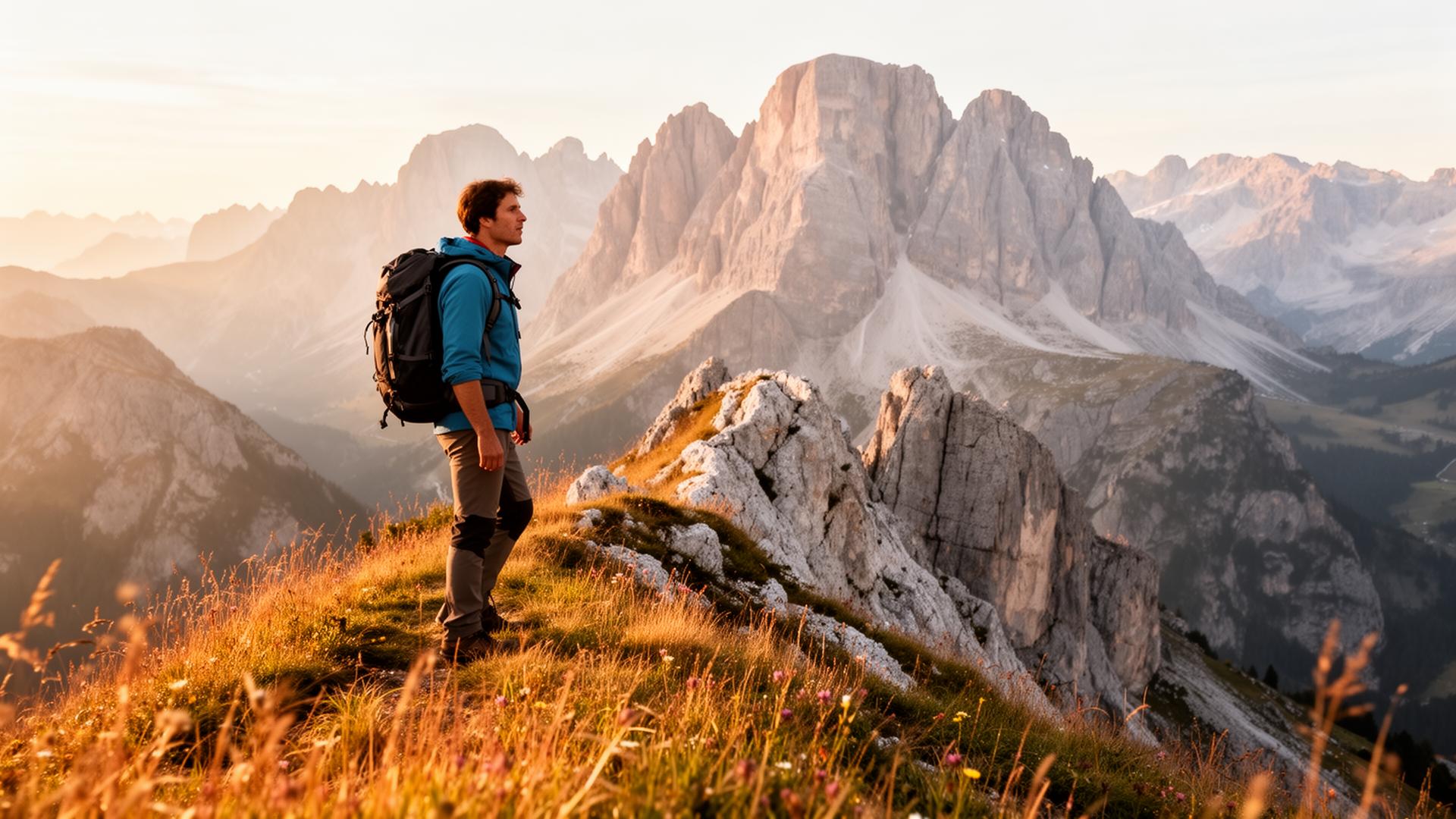
You descend Lagazuoi through the inside of the mountain. The Austrian sappers cut these galleries into the rock between 1915 and 1917 to fight a war nobody could win up here, and walking down them with a headtorch is the strangest and best hour of hiking near Cortina.
Inside the mountain
The cable car from Passo Falzarego lifts you to 2,752 metres in four minutes. The terrace at the top has one of the widest views in the Dolomites, and most visitors go no further. The interesting part is the tunnel entrance a short walk below the hut.
From there the galleries drop through the mountain in a series of switchbacks cut into solid rock, with openings that were once observation and gun positions and now serve as unnervingly good viewpoints.
Underground versus outside: two ways to read the same front line
Austrian gallery entrance
The tunnel mouth near the top station, where the temperature drop hits immediately.
Mine chamber halfway down
A widened cavern once used to store explosive charges beneath Italian lines.
Rifugio Lagazuoi mixed platter
Speck, sausage, cheese and polenta, enough for two at €22.
Kaiserjäger outer face (trail 402)
The exposed alternative for parties with via ferrata kit, entirely outside the mountain rather than through it.
Cable car up, tunnels down
The descent through the tunnels loses around six hundred metres and takes an hour to ninety minutes, depending on how much you stop to read. The Kaiserjäger trail outside, on the Austrian supply route, adds another hour and a half if you take that line instead.
The gallery descent, and the Kaiserjäger path
Head down from the hut to the signed gallery entrance and put the torch on before you go in — the transition from bright snow-glare to complete dark is immediate. There are fixed cables in places and the steps are uneven; a helmet is genuinely sensible, and the guides' offices in Cortina rent both.
The tunnels emerge near the base of the wall, and from there a path leads back to the pass. The Kaiserjäger alternative climbs the outside of the same mountain on the old supply track, with cables in the exposed sections and a lot of open air below you.
Windows in the rock
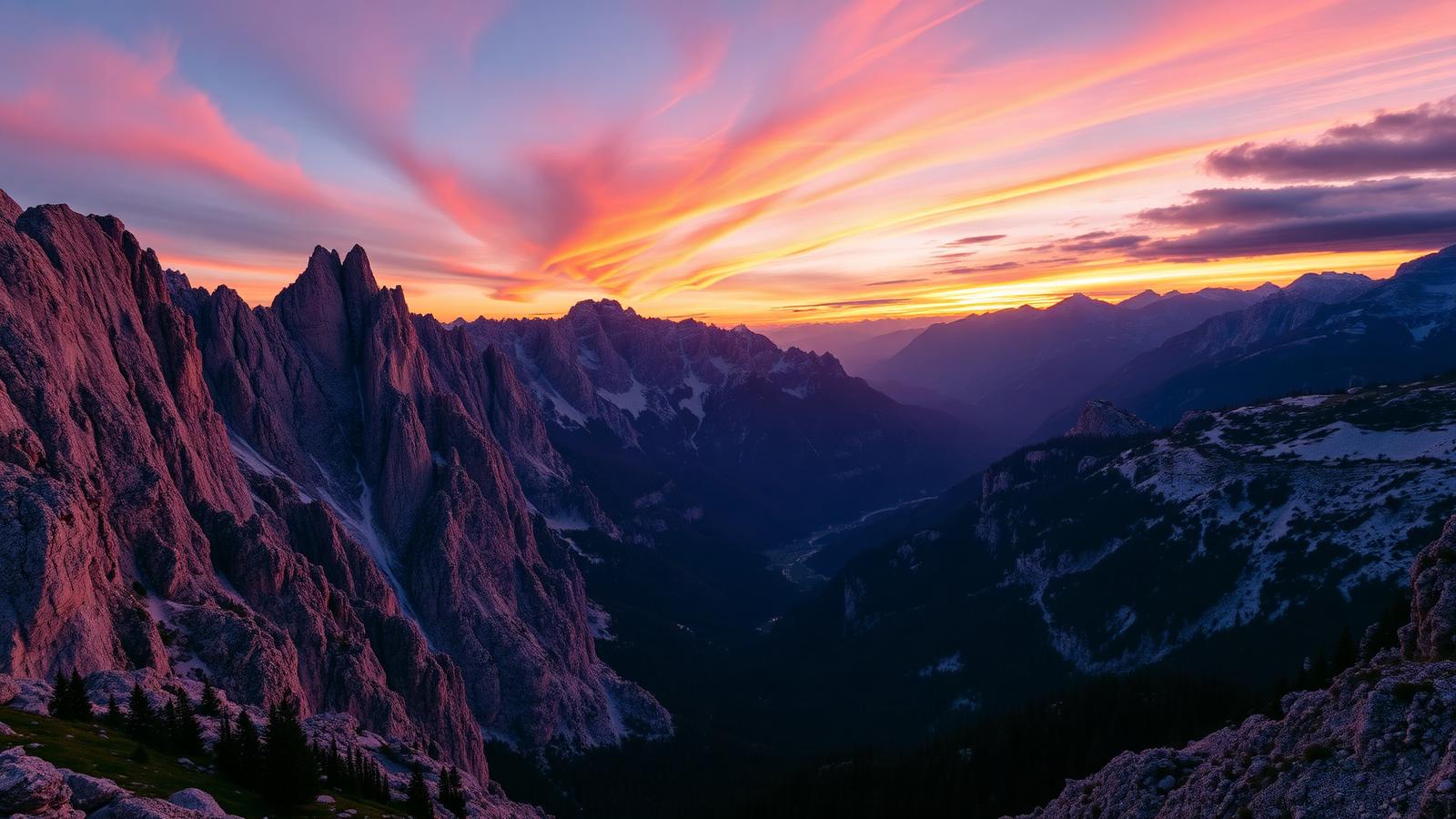
The gun-position openings partway down are the thing. You look out through a hole in the rock at the Tofane and the Marmolada, standing where an Austrian gunner stood, and the view and the history land at the same time. There's a bench at the exit where I've sat longer than I meant to more than once.
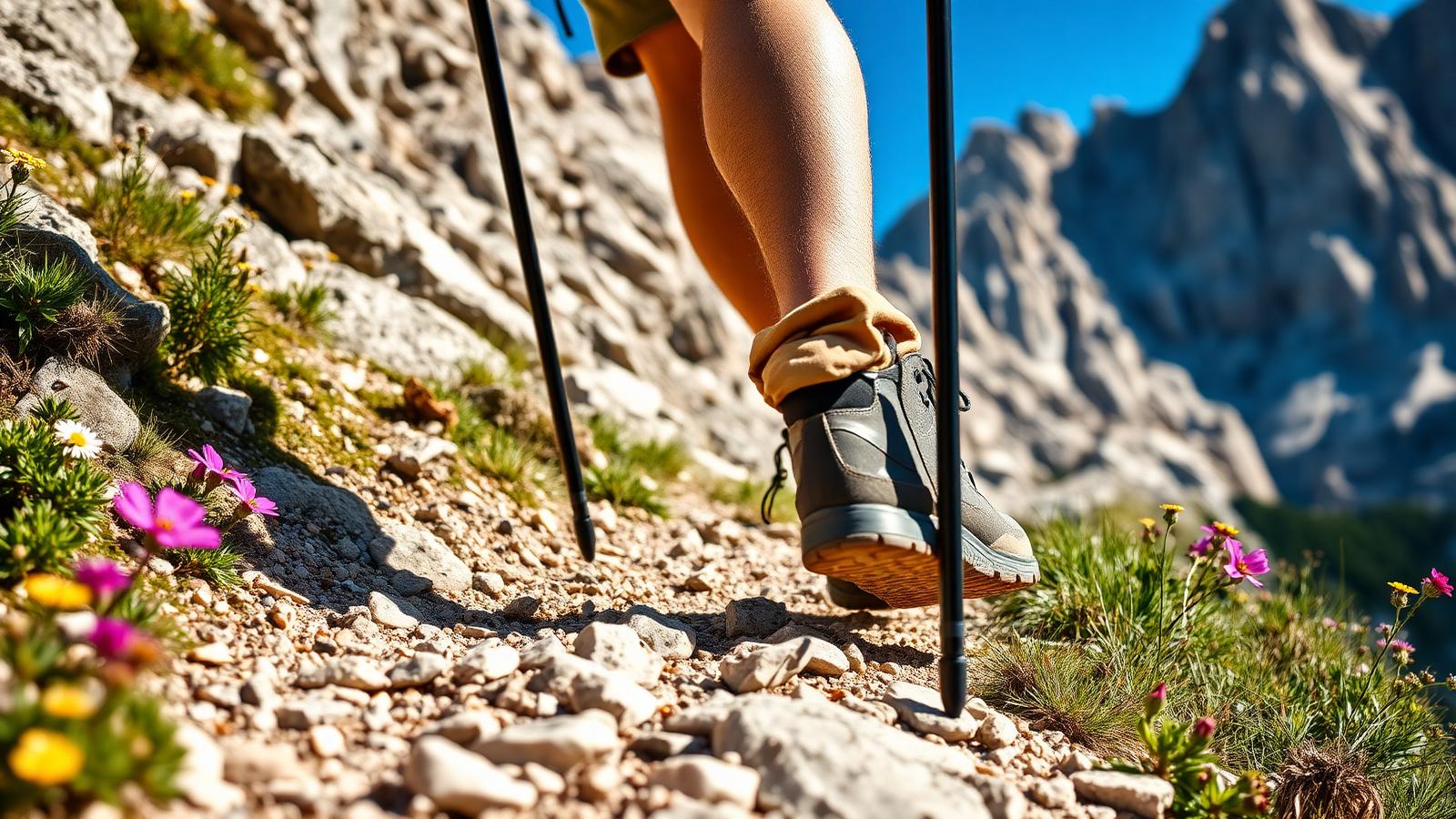
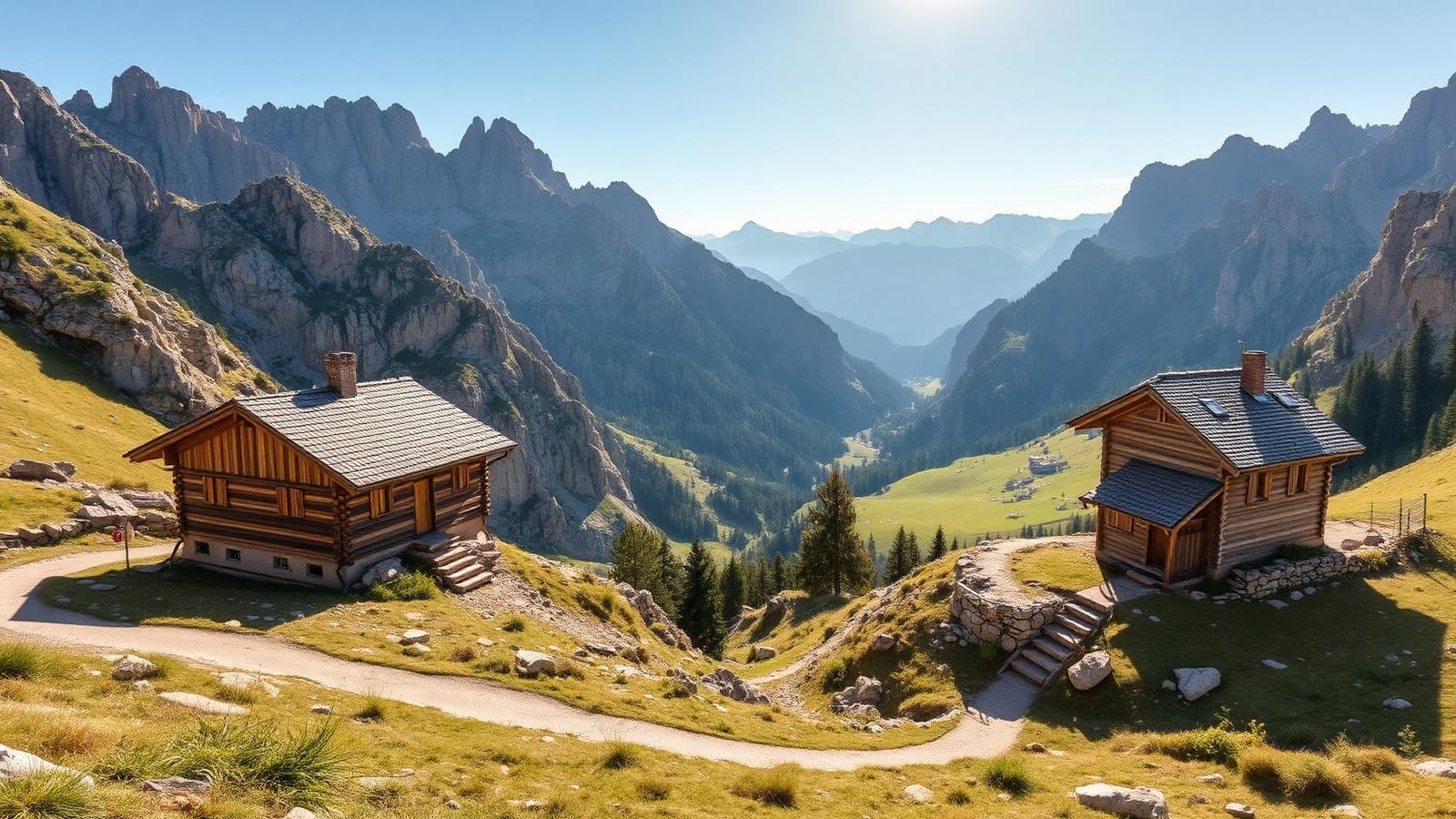
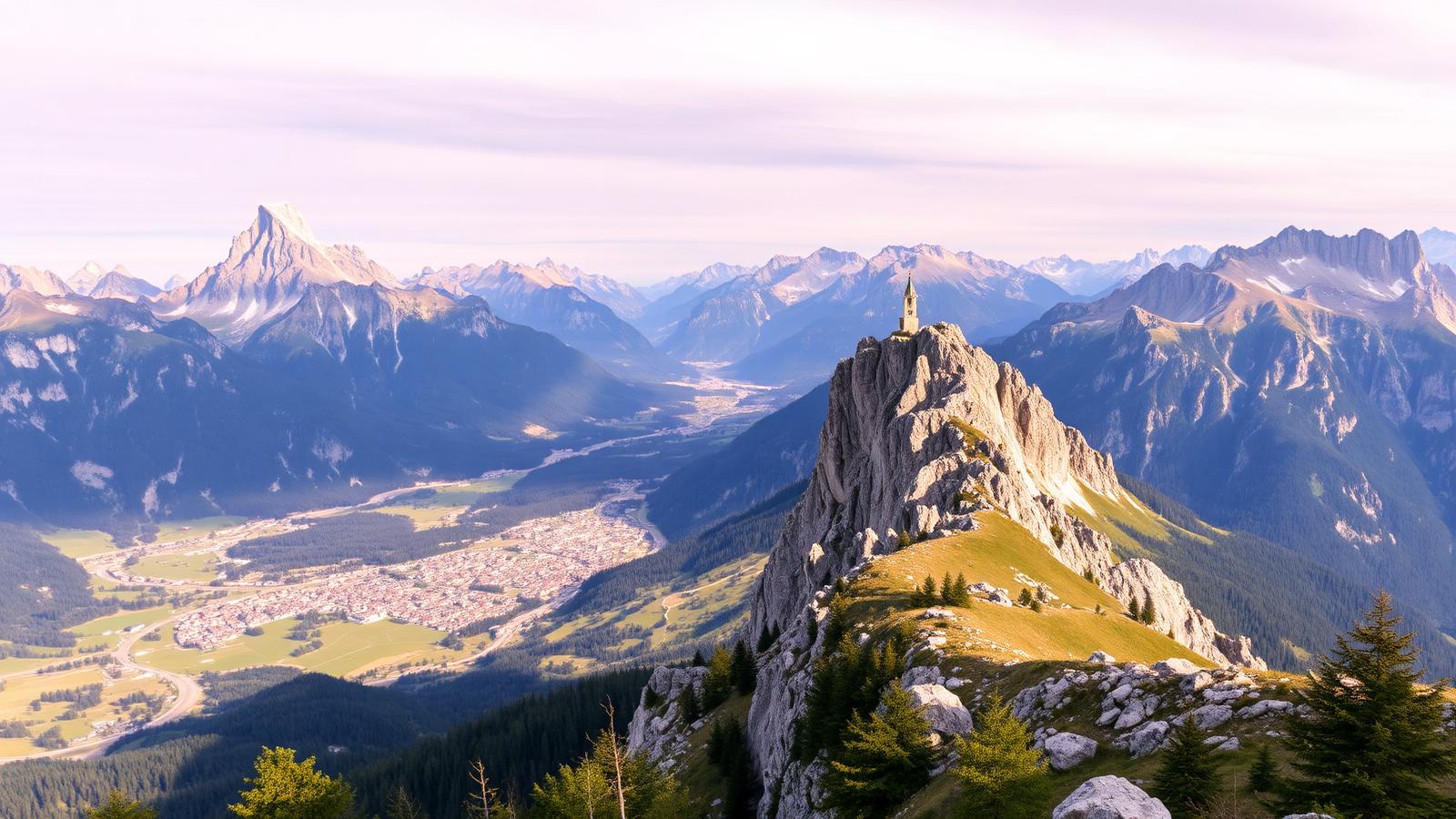
Cold, dark, wet underfoot
It's around 4°C in the tunnels all summer, and water drips through in places, so the rock is wet. Ice can persist inside into July. Outside, the Kaiserjäger route is fully exposed and closed by snow well into June some years.
A working headtorch and a spare set of batteries are not optional. Phone torches die fast in the cold and leave you with no light and no map.
Safety note
Skip exposed ground if storms are forecast. Deciding not to continue is a normal part of walking here, not a failure.
What stays with you
What gets me every time isn't the engineering, impressive as it is. It's the small stuff — the chisel marks, the niches cut for lamps, the graffiti. Somebody spent a winter down here doing that by hand at altitude while being shot at. You come out into the light slightly quieter than you went in.
My tip
Walk the tunnels downhill, not up — the 700 m descent through pitch dark is manageable with a good headtorch, while the uphill version is a lung-buster with limited air movement. Rent a helmet at Falzarego for €3 if you don't have one.
Shooting in the dark
Inside, forget handheld. Brace against the wall, shoot the tunnel mouths as silhouettes against the bright outside and let the interior go black — fighting that contrast never works. Outside, the terrace at the top station is best at the end of the day when the Marmolada catches the last light.
Staying outside
Not everyone wants to be inside a mountain. The ridge walks from the top station, and the path down to Rifugio Scotoni and the Lagazuoi lake, keep you outdoors with almost as much history in the landscape around you.
Children over about eight who aren't bothered by dark enclosed spaces love it. Ask first, honestly — some don't.
Do not treat a cable car as a guaranteed ride home. Note the final descent before setting off.
One-way cable car up and walk down through the tunnels: cheaper than a return and a far better day.
The Lagazuoi cable car from Passo Falzarego lifts you 650 m to 2,752 m in 4 minutes (€21 return in 2026). From the top station it's a 90-minute descent through the Austrian gallery to the Falzarego lot.
A mountain mined from both sides
Lagazuoi was fought over for the length of the First World War, with Austro-Hungarian and Italian sappers digging competing tunnel systems and detonating mines beneath each other's positions between 1915 and 1917; the galleries open to walkers today follow the Austrian side of that excavation.
Descend, don't ascend
Walking the tunnels downhill keeps the 700-metre descent manageable even for unfit knees, while the uphill direction is a genuine lung-buster in poorly ventilated dark — nearly every local guide routes clients top to bottom for this reason alone.
Frequently asked questions
Do I need my own headtorch?
Yes, and a spare battery. The rental shop at Falzarego closes at 17:00 and the tunnels have no lighting whatsoever.
Can children do the Lagazuoi tunnels?
Confident children over 8 love it — it feels like a real adventure. Under-8s find the dark stretches genuinely scary and the metal stairs slippery.
Is Rifugio Lagazuoi worth eating at?
Yes. The mixed platter (speck, sausage, cheese, polenta, pickles) is €22 and enough for two. Book a window table on refuges.io — the drop to the Alta Badia valley from your seat is spectacular.
Can I sleep at Rifugio Lagazuoi?
Yes — 74 beds, panoramic sauna at 2,752 m, sunrise over Marmolada from the terrace. €95 half-board in 2026, book six months ahead for August.
Is the Kaiserjäger trail the same as the tunnels?
Different route. The Kaiserjäger (trail 402) climbs the exposed south face on the outside of the mountain — spectacular but requires via ferrata kit for the fixed cables.
Take the torch, take the helmet, and give yourself the whole afternoon. There's nothing else quite like it in these mountains.
Sources & further reading
Plan the next piece
Build a trip, not a checklist.
Pair this guide with a realistic itinerary and a place to stay near the activities you care about most.